AI Takes Wheel as NASA’s Rover Makes its Drive on Mars
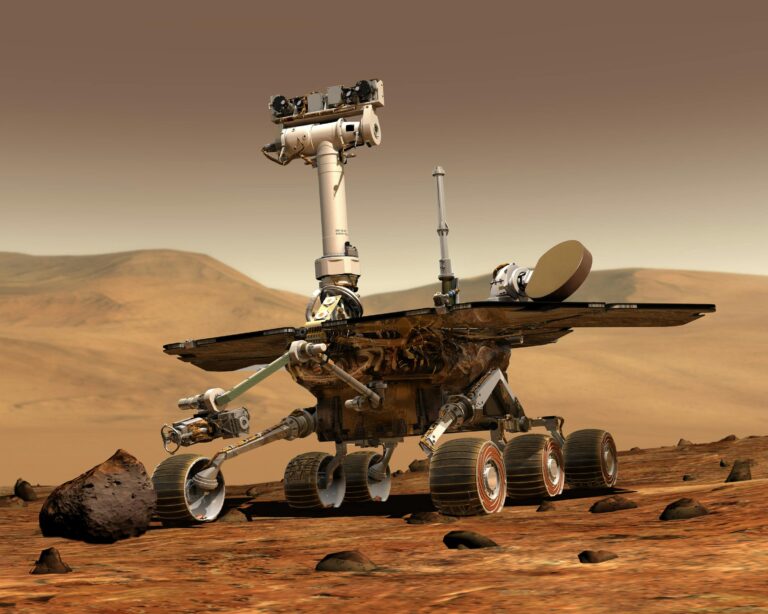
NASA’s Perseverance rover, which landed in Jezero Crater on Mars in 2021 to investigate evidence of ancient life, made its
NASA’s Perseverance rover, which landed in Jezero Crater on Mars in 2021 to investigate evidence of ancient life, made its
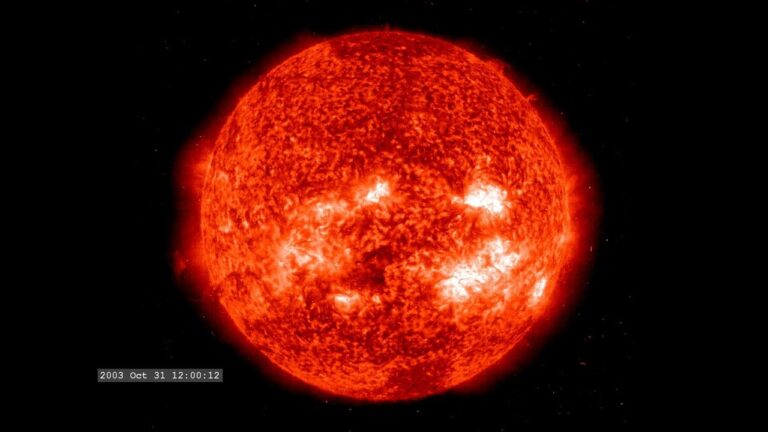
As intense radiation flooded Earth’s upper atmosphere, a strong X4.2-class solar flare on Wednesday disrupted radio communications in parts of

Facing the rapid melt of Antarctica’s Thwaites ‘Doomsday Glacier’, a global team proposes a 150-meter tall seabed curtain. Led by Cambridge University and Professor John Moore, this radical geoengineering project aims to block warm water and slow sea-level rise, buying time for coastal communities worldwide.
Researchers at the Chinese Academy of Sciences have developed a novel ABF crystal that powers a desktop laser to a world-record 158.9 nanometre wavelength. Led by Professor Pan Shilie, this breakthrough in solid-state vacuum ultraviolet laser technology promises to revolutionize fields from quantum computing to space-based communications and semiconductor manufacturing.
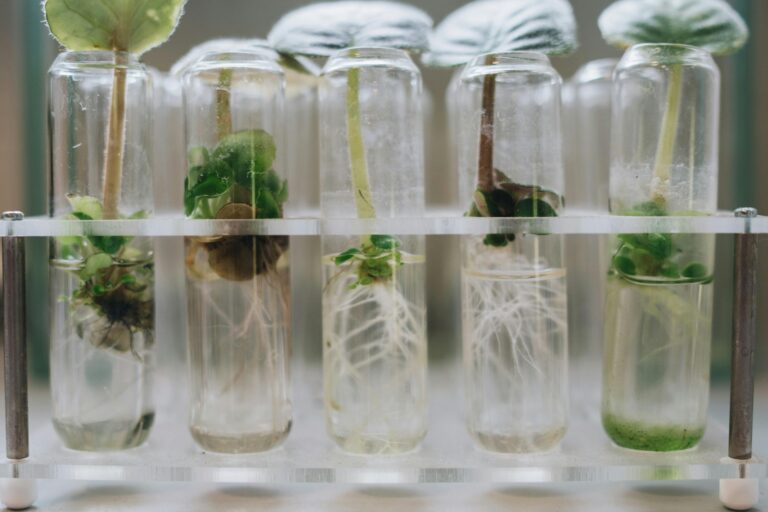
University of Missouri researcher Susie Dai has created algae that captures microplastics 3X faster, cleaning wastewater and aiming to upcycle plastic waste. Published in Nature Communications, the technology could revolutionize water treatment.

Yale scientists led by Yu He have used a refrigerator magnet-inspired array to solve a decades-old problem in ARPES spectroscopy, allowing direct study of quantum materials under magnetic fields for the first time and unlocking new research into superconductors and future electronics.
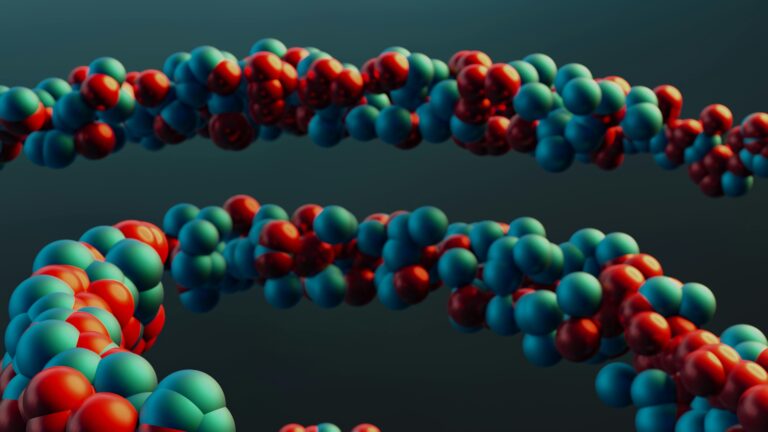
Fraunhofer scientists in Germany have created a safer method to produce essential polyurethane plastics by replacing toxic isocyanates with CO2-derived dicarbamate. Led by Christoph Herfurth, the innovation enables controlled production and recycling, targeting first use in medical tubing.
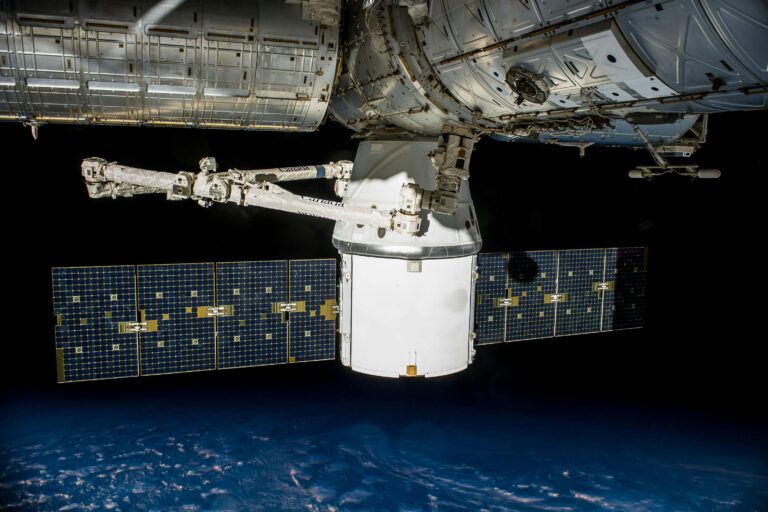
A defunct Russian military satellite, previously used to closely inspect other spacecraft, appears to have violently broken apart in a

Idaho National Laboratory has launched the supercomputer “Teton,” a CPU-only powerhouse ranked 85th globally. It provides a four-fold increase in compute capacity to model next-gen nuclear reactors, slashing simulation times from days to hours for researchers.
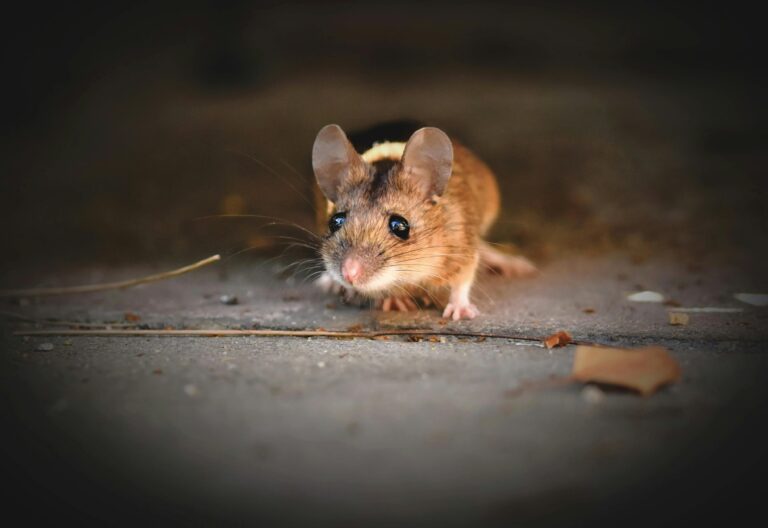
In a world-first, Professor Hiroshi Kimura and team at the Institute of Science Tokyo have engineered a mouse that lights up when genes are active. This revolutionary tool visualizes hundreds to thousands of transcription sites in real-time, transforming our ability to study development, disease, and drug effects in living tissue.