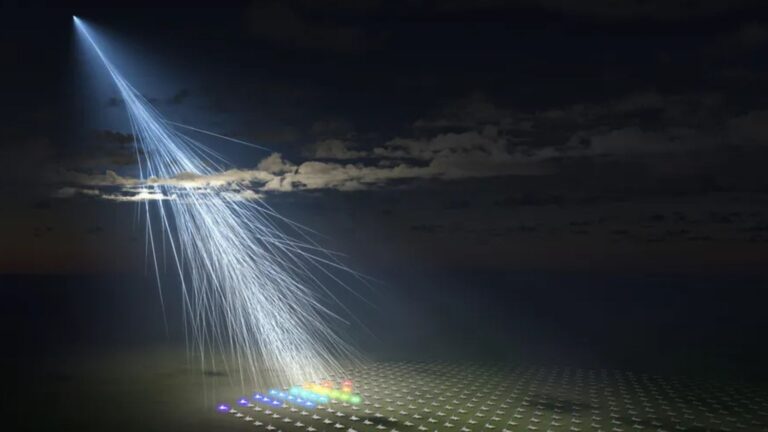
New Cosmic Clue: ‘Sun Goddess’ Particle Mystery Deepens in Space
A mysterious ultra-high-energy cosmic ray, known as the ‘Sun Goddess’ particle, is puzzling scientists worldwide. Officially called the Amaterasu particle,
A mysterious ultra-high-energy cosmic ray, known as the ‘Sun Goddess’ particle, is puzzling scientists worldwide. Officially called the Amaterasu particle,
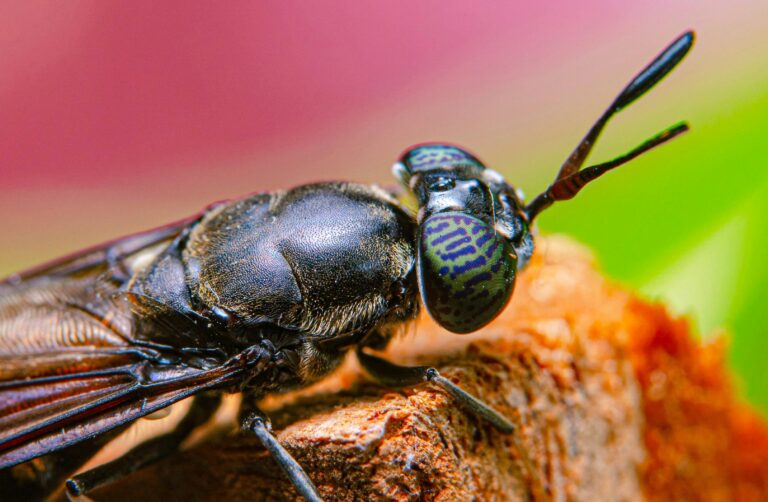
Texas A&M University researchers are using black soldier fly larvae to clean polluted soil in a multi-million dollar project. The larvae consume waste and break down toxins while sensors, robots, and AI automate the work. If successful, the method could restore lost farmland, clean industrial sites, and even help future astronauts grow food on Mars.
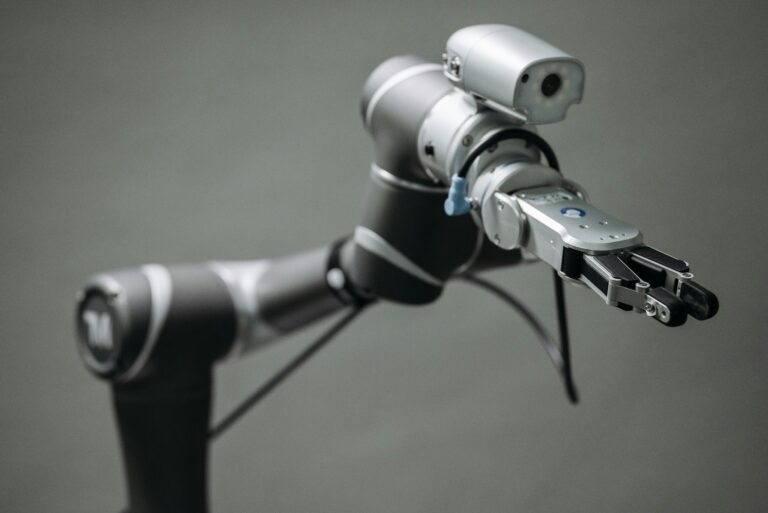
London-based Shadow Robot has spent 30 years perfecting a robotic hand that moves with human-like precision. Using 40 metal tendons pulled by small motors, their hand helps universities and tech firms study dexterity. But making hands that are affordable, durable, and sensitive enough for real-world use remains one of robotics’ biggest challenges.
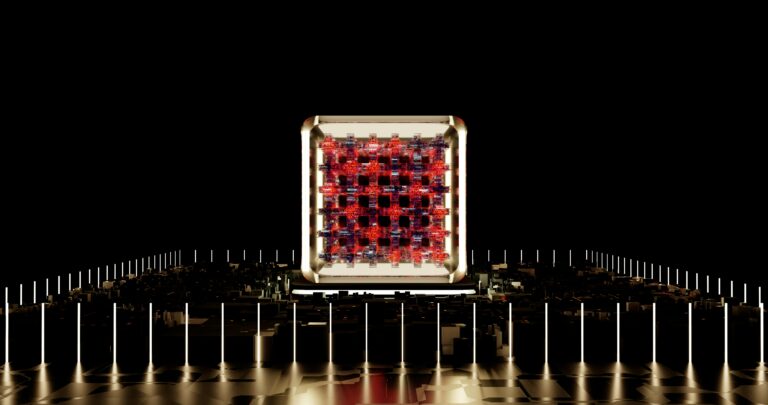
Chinese researchers from Peking University have demonstrated a quantum communication prototype capable of spanning 3,700 kilometers using fingernail-sized optical comb chips. Published in Nature, the system eliminates vulnerable relay nodes and achieves a 97.5 per cent operational success rate across 20 users, bringing scalable, ultra-secure quantum networks closer to reality.
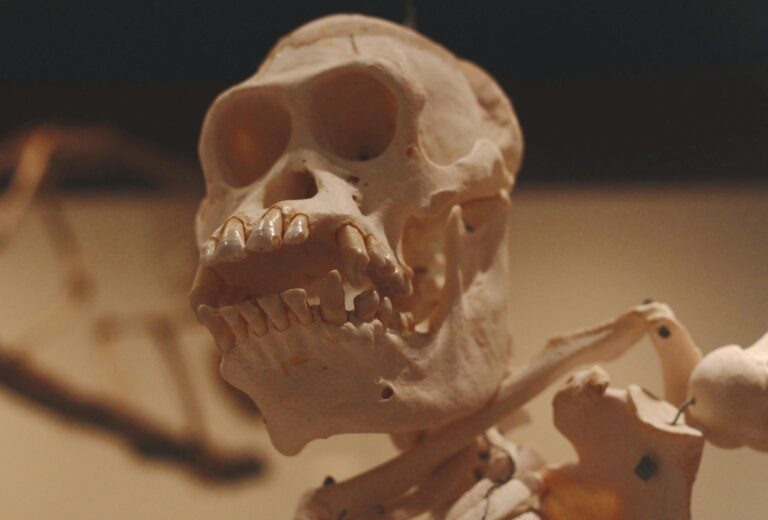
University at Buffalo anthropologist Dr. Noreen von Cramon-Taubadel and team have shown the human chin—unique to Homo sapiens—is an evolutionary spandrel, not an adaptation for chewing or speech. Published in PLOS One, the study tested neutral evolution against selection models and found chin traits fit the byproduct hypothesis. The research challenges adaptationist assumptions and reframes how distinctive fossil features are interpreted.
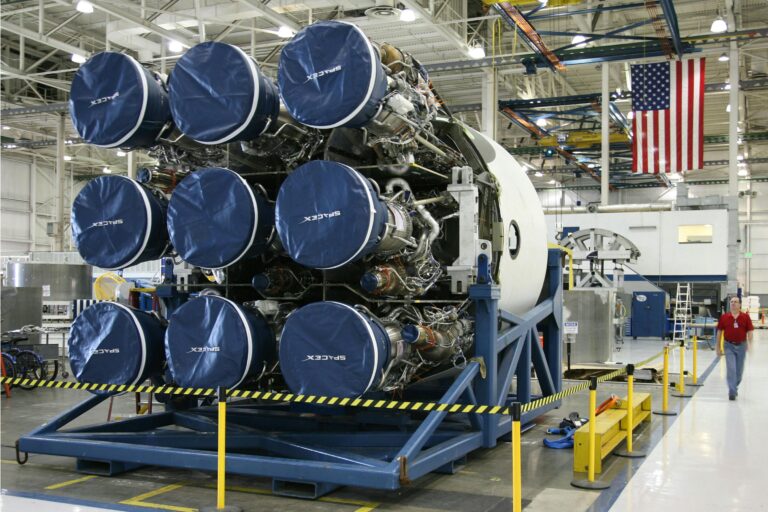
ArianeGroup is set to launch the first four‑booster Ariane 64 on February 12, 2026, from French Guiana, deploying 32 Amazon Kuiper satellites. Twice as powerful as Ariane 62, the €4 billion program involves 13 ESA nations and 600 subcontractors. CTO Hervé Gilibert called it “something new for us on Ariane 6” as Europe challenges SpaceX with halved operating costs and a 30‑launch order book.
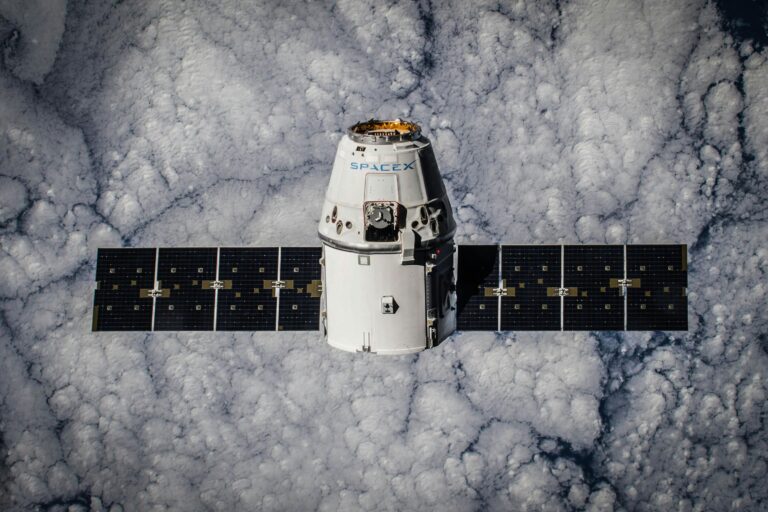
Cornell and University of Edinburgh researchers have demonstrated that Penicillium simplicissimum fungus can extract palladium from meteorites aboard the ISS under microgravity. The BioAsteroid experiment, led by Dr. Rosa Santomartino and Professor Charles Cockell and published in npj Microgravity, found enhanced carboxylic acid production in space while nonbiological leaching faltered. The work proves biological in‑situ resource utilization is feasible for future asteroid mining.
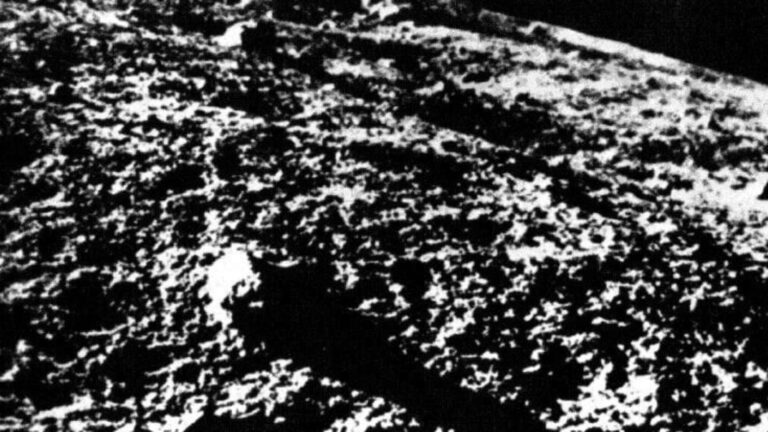
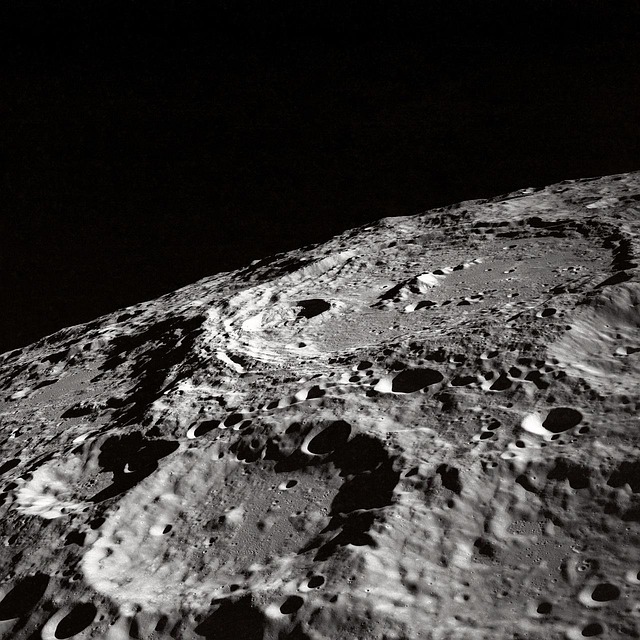
Scientists identified possible locations of the Soviet Union’s historic Luna 9 spacecraft, which became the first human-made object to successfully
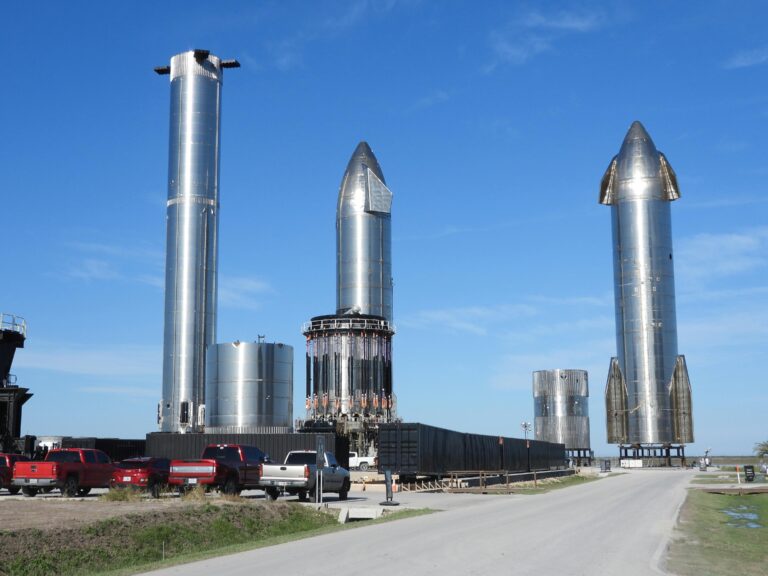
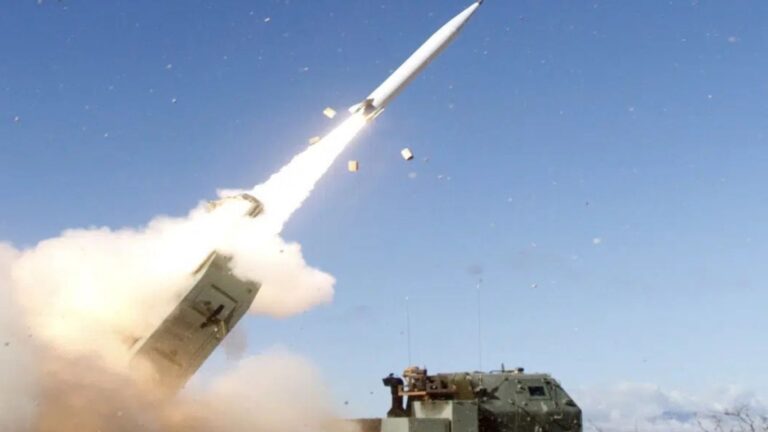
China Manned Space Agency executed a historic dual-purpose test of the Long March 10 reusable booster and Mengzhou spacecraft on February 10, 2026, from Wenchang. The capsule successfully aborted at Max-Q, while the booster reignited its YF-100 engines for a pinpoint propulsive ocean landing—China’s most advanced reusable rocket demonstration to date, accelerating the 2030 lunar landing goal.
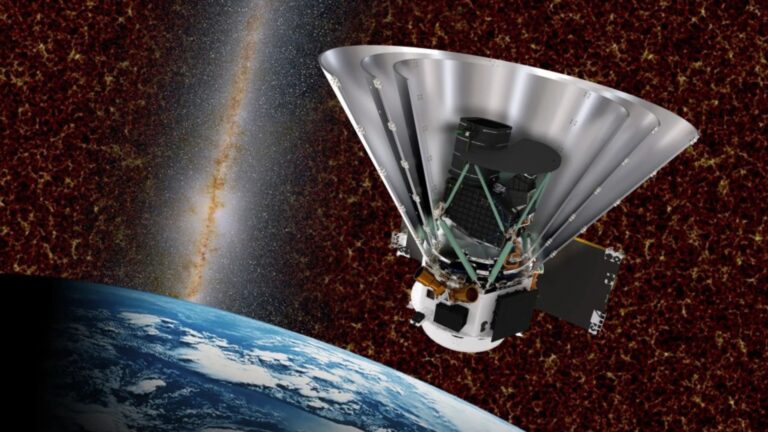
NASA’s space telescope, SPHEREx, detected organic molecules streaming out of the rare interstellar comet 3I/ATLAS. The discovery has sparked new