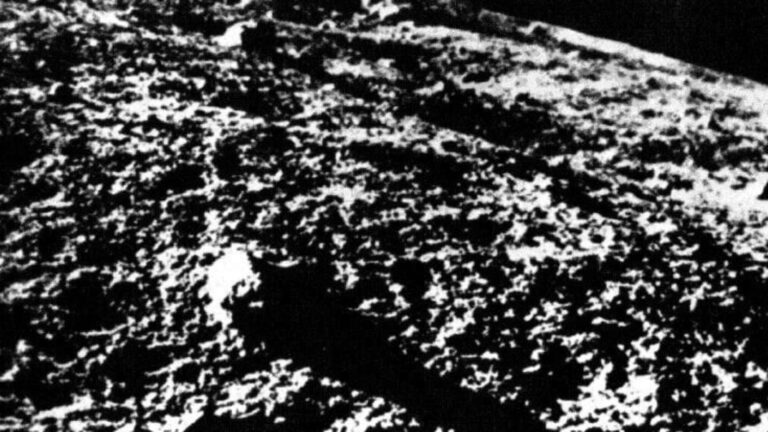
60-Year-Old Moon Mystery: Scientists Trace Lost Soviet Luna 9 Lander
Scientists identified possible locations of the Soviet Union’s historic Luna 9 spacecraft, which became the first human-made object to successfully

Scientists identified possible locations of the Soviet Union’s historic Luna 9 spacecraft, which became the first human-made object to successfully
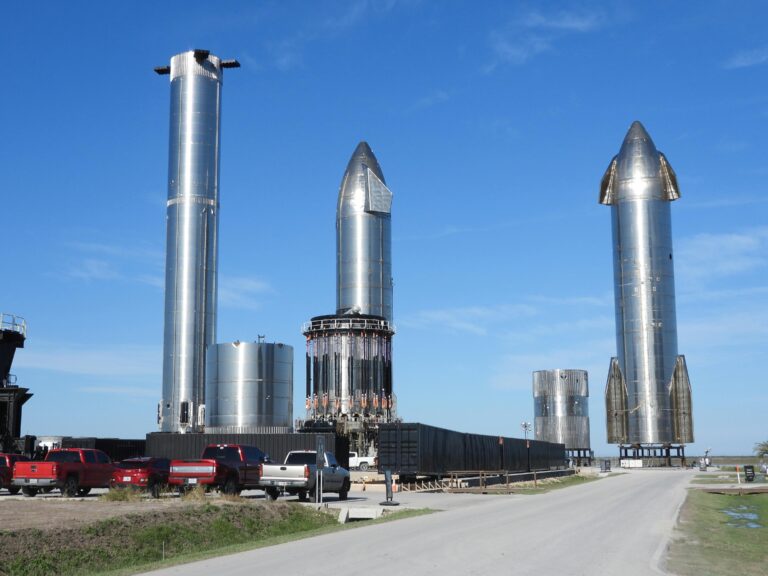
China Manned Space Agency executed a historic dual-purpose test of the Long March 10 reusable booster and Mengzhou spacecraft on February 10, 2026, from Wenchang. The capsule successfully aborted at Max-Q, while the booster reignited its YF-100 engines for a pinpoint propulsive ocean landing—China’s most advanced reusable rocket demonstration to date, accelerating the 2030 lunar landing goal.
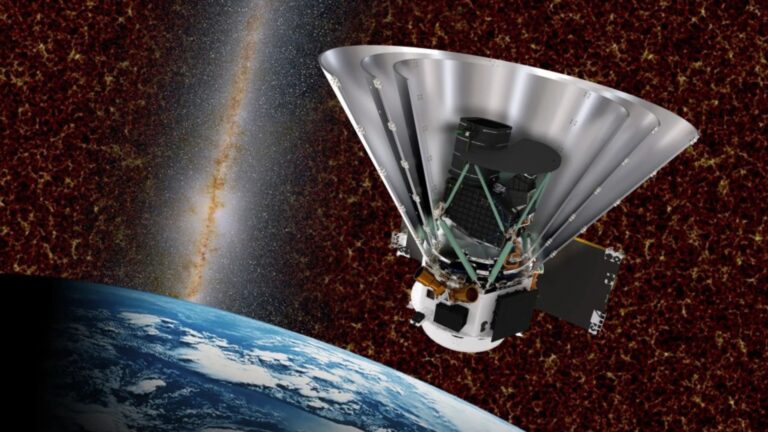
NASA’s space telescope, SPHEREx, detected organic molecules streaming out of the rare interstellar comet 3I/ATLAS. The discovery has sparked new

Peking University’s Professor Wang Jianwei and Academician Gong Qihuang have built the world’s first large-scale quantum key distribution network using integrated photonic quantum chips. Published in Nature, the system connects 20 users across 3,700 kilometers, overcoming a two-decade barrier to miniaturization and proving quantum communication can move from optical benches to mass-producible silicon.
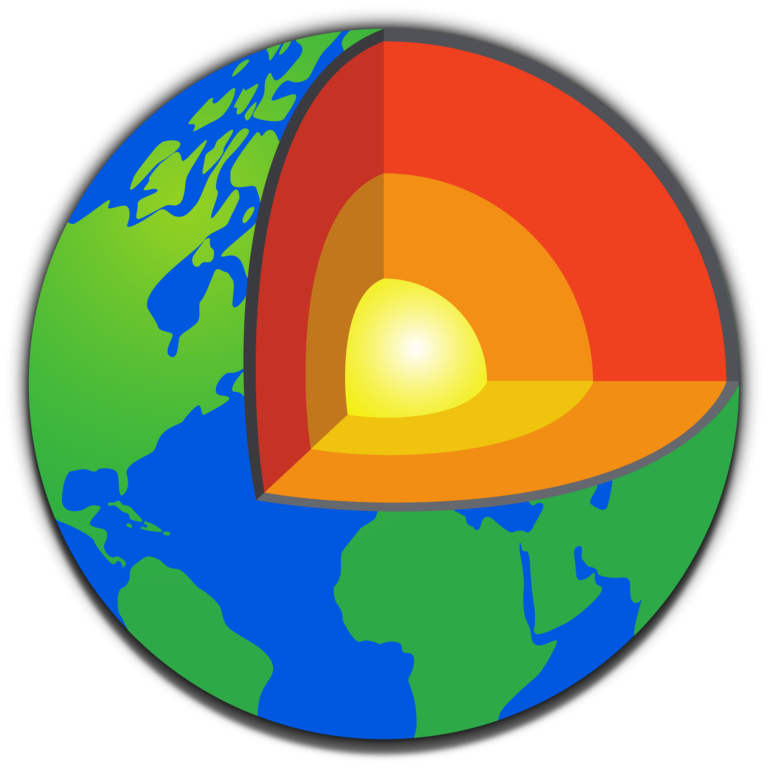
Peking University’s Dr. Dongyang Huang and colleagues have discovered Earth’s core may contain 9 to 45 times the hydrogen volume of all surface oceans—0.07% to 0.36% of core weight. Using atom probe tomography, the Nature Communications study suggests Earth acquired its water during formation, not from comets, reshaping our understanding of planetary habitability.
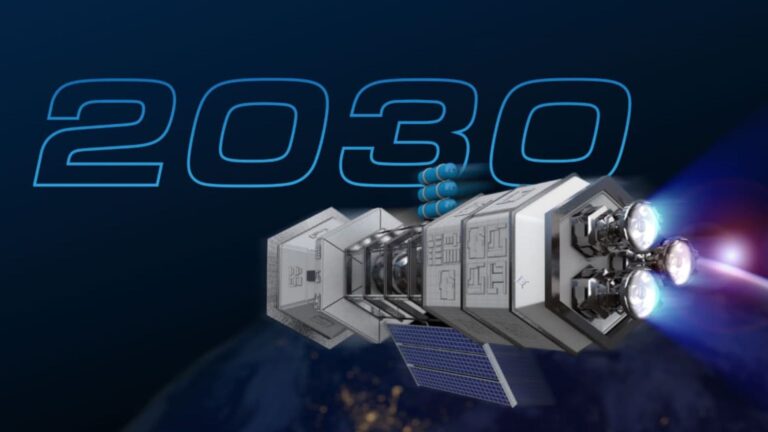
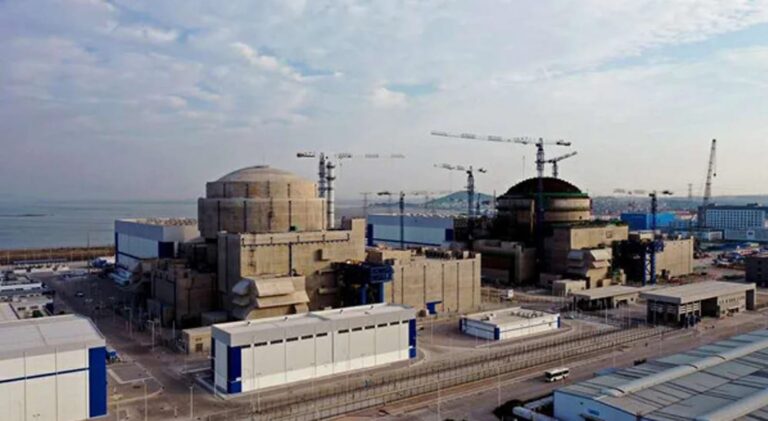
NASA is moving ahead with plans to place a 500-kilowatt nuclear fission reactor on the Moon by fiscal year 2030,

Chinese researchers successfully completed the world’s first in-orbit test of a wireless implantable Brain-computer Interface (BCI) device, marking a major
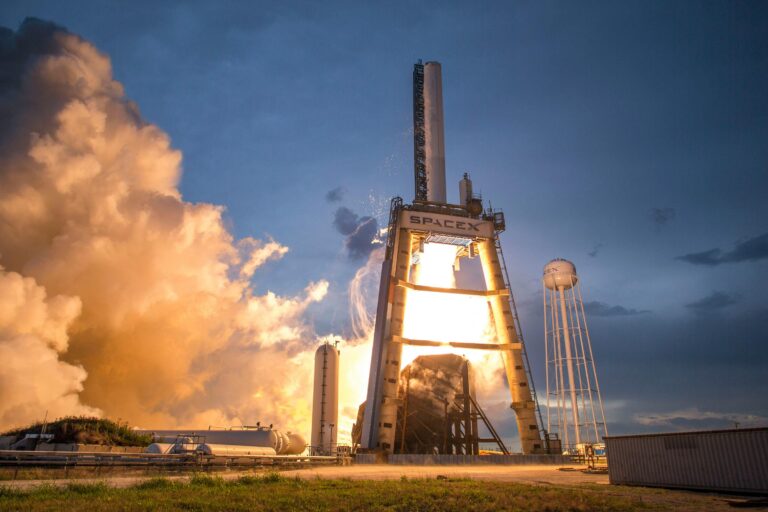
China has completed a high‑stress launch escape test of its Mengzhou lunar spacecraft aboard a Long March-10 rocket at Wenchang. Conducted at max Q by CASC, the test validated independent solid‑fuel crew abort and the first controlled vertical splashdown of the booster stage. The milestone advances China’s 2030 crewed moon landing and reusable rocket technology, with a Lanyue lander already in testing and a 2035 lunar south pole station on the roadmap.
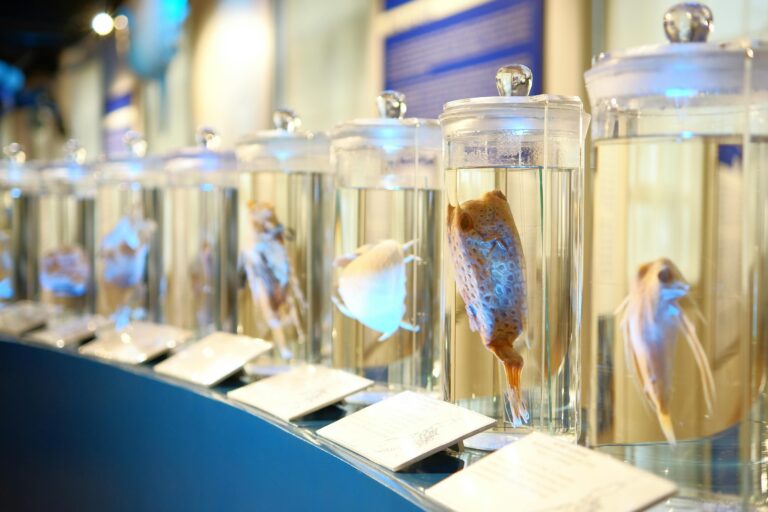
UK scientists have fired lasers at Charles Darwin’s 200-year-old Galapagos specimen jars to identify their unknown preservation fluids—without opening them. Led by Dr. Wren Montgomery and physicist Sara Mosca, the team used portable SORS spectroscopy to achieve nearly 80 percent accuracy, solving a major conservation challenge for the Natural History Museum London. The method, reported in ACS Omega, could protect over 100 million museum specimens worldwide.
University of Sydney engineers have developed a liquid metal method that produces clean hydrogen from seawater using only sunlight. Led by Professor Kourosh Kalantar-Zadeh, the team achieved 12.9% efficiency with a circular gallium-based process. The innovation, reported in Nature Communications, solves a key problem in green hydrogen production and offers a scalable path forward.