Science

Glue-Free Paper

Germany’s Fraunhofer Develops Laser Method for Glue-Free Paper Sealing

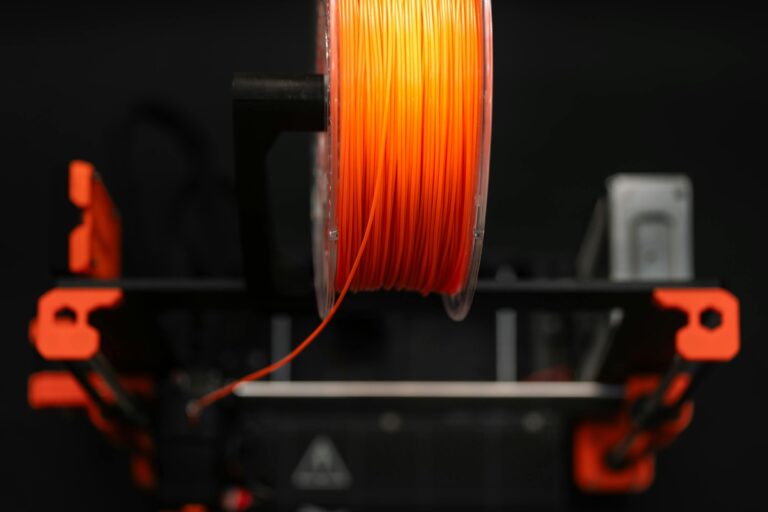
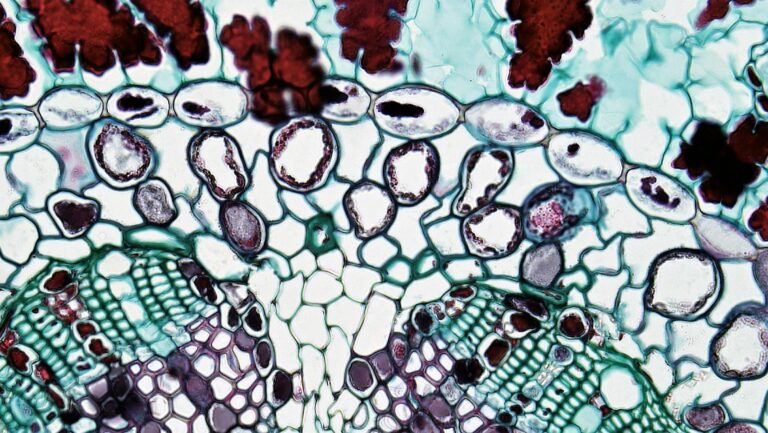
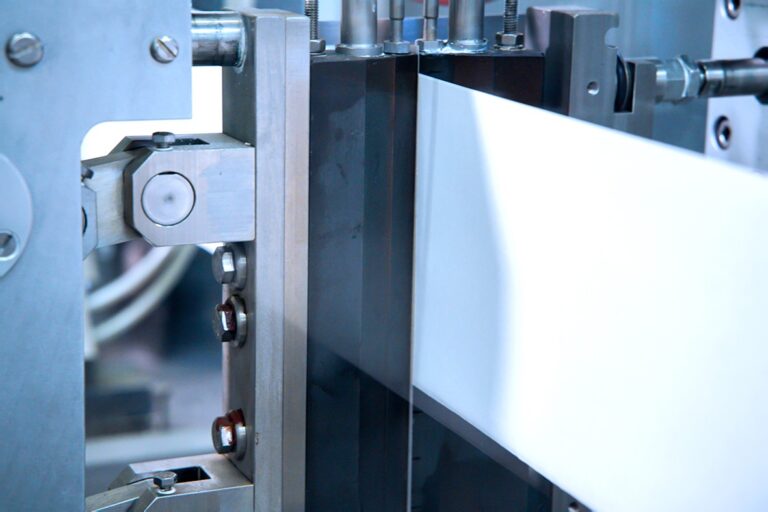
Germany’s Fraunhofer institutes have developed a laser method that seals paper packaging without glue or plastic. The process uses a CO laser to turn paper fibers into natural adhesives, creating seams that can hold 20 kilograms. The technology makes paper packaging fully recyclable and will be demonstrated at Interpack 2026.
Read More...
Electron microscopy

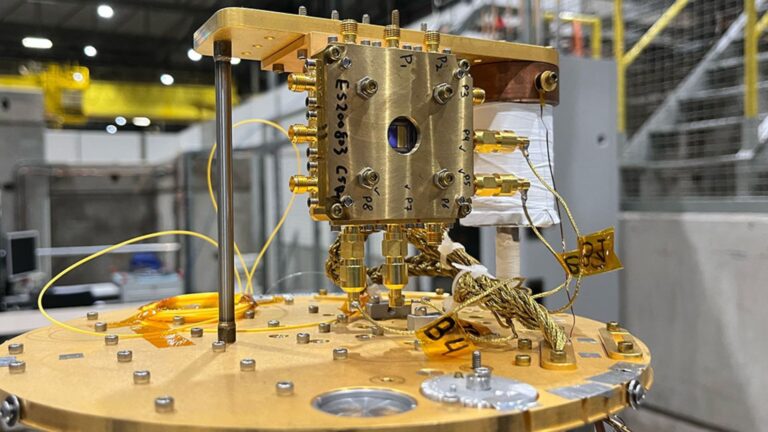
Cornell Researchers Find ‘Mouse Bite’ Defects in Semiconductors With 3D Imaging

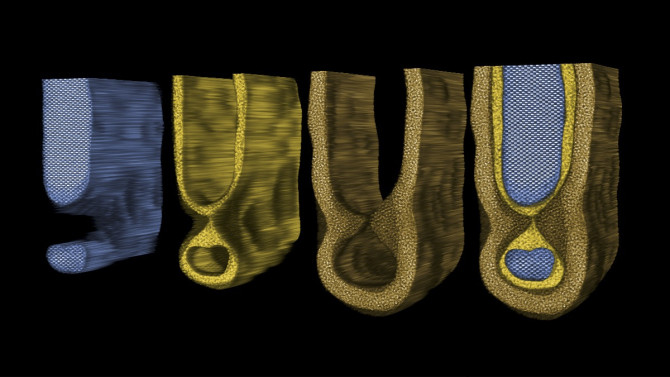
Cornell University researchers used high-resolution 3D imaging to detect atomic-scale “mouse bite” defects inside computer chips for the first time. Working with TSMC and ASM, the team captured images of transistor channels just 15 to 18 atoms wide. The breakthrough helps chipmakers spot manufacturing flaws during development and could improve everything from phones to quantum computers.

Read More...
X‑ray spectroscopy

US Lab Argonne Uses AI to Speed Up X-Ray Analysis by Five Times

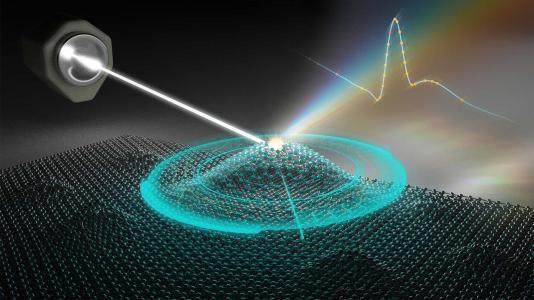
Scientists at Argonne National Laboratory built an AI-guided method that makes X‑ray spectroscopy five times faster. The system cuts measurements by 80 percent while reducing human error and sample damage. It helps researchers study batteries and catalysts in real time, bringing X‑ray science closer to fully autonomous experiments.

Read More...
A researcher in a lab coat standing next to a large silver vacuum chamber with control panels and equipment.

University of Glasgow Space Testing Facility Wins Manufacturing Award

The University of Glasgow’s NextSpace TestRig, the world’s first system for testing 3D-printed materials manufactured in space, has won a national manufacturing award. Built with Dr Gilles Bailet and the Manufacturing Technology Centre, the facility uses a vacuum chamber that creates temperatures from -150°C to +250°C to simulate orbit conditions. The £253,000 project helps ensure space-printed materials can withstand extreme physical strains.

Read More...

UK’s Southampton University Creates Shape-Shifting Robotic Wing for Drones

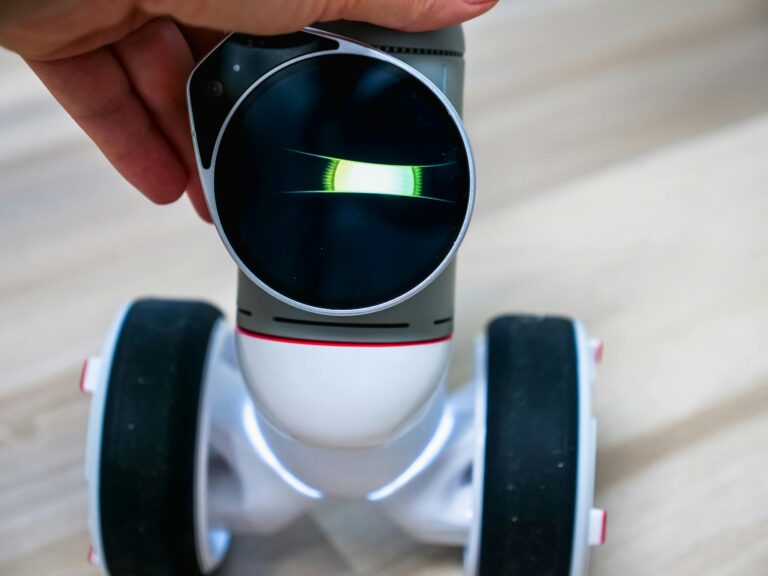
Engineers at the University of Southampton created a shape-shifting robotic wing inspired by birds and fish. The soft wing senses underwater currents and adapts automatically, reducing sudden jolts by 87 percent compared to rigid drone wings. It uses less energy and responds faster than existing designs, bringing underwater robots closer to the agility of living animals.

Read More...
Scientist in lab coat examining petri dishes containing green plant cell cultures under bright laboratory lighting

MIT-Alumni Startup Foray Bioscience Grows Plant Products from Single Cells

MIT alum Ashley Beckwith founded Foray Bioscience to grow plant products from single cells using AI-powered biomanufacturing. The company addresses the fragility of natural supply chains as 45 percent of plant species face extinction. Foray has already developed molecules, materials, and fabricated seeds with partners, including disease-resistant chestnut trees, aiming to shorten plant development timelines from decades to months.

Read More...

Get a year of access for Premium Content

Join our Premium Membership and unlock all content for unlimited access.

Your Ad Here
Ad Size: 336x280 px

Support Our Journalism

Modern Mechanics 24 is independent. If you value our reporting, a contribution of any amount helps us keep going.

Secure payment by Razorpay. This is a voluntary contribution: it doesn't include a membership or access to premium articles.