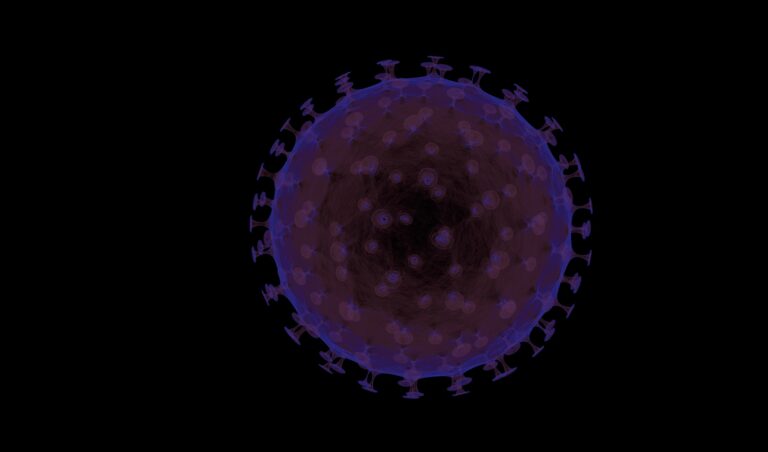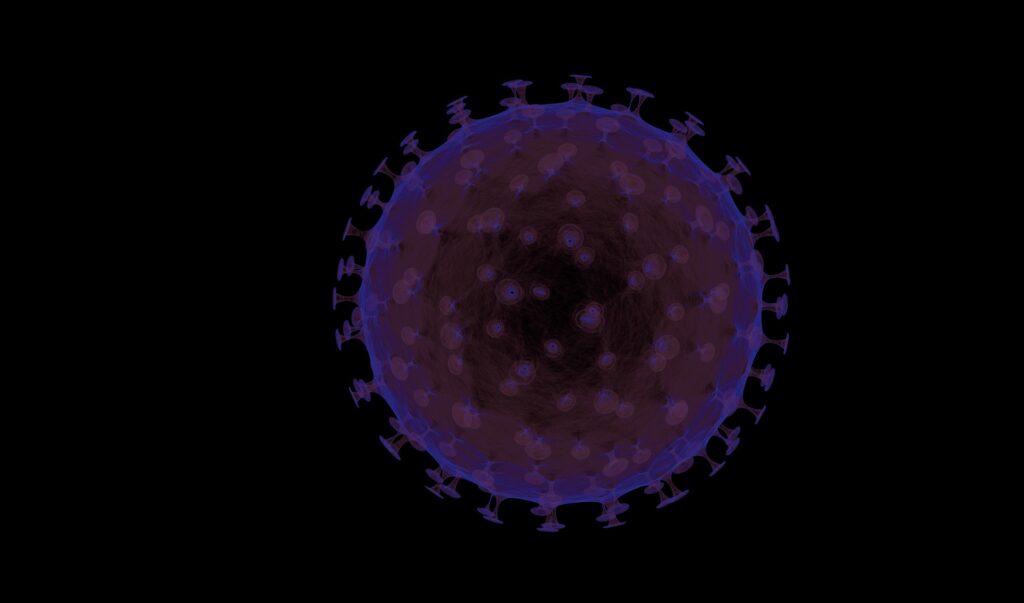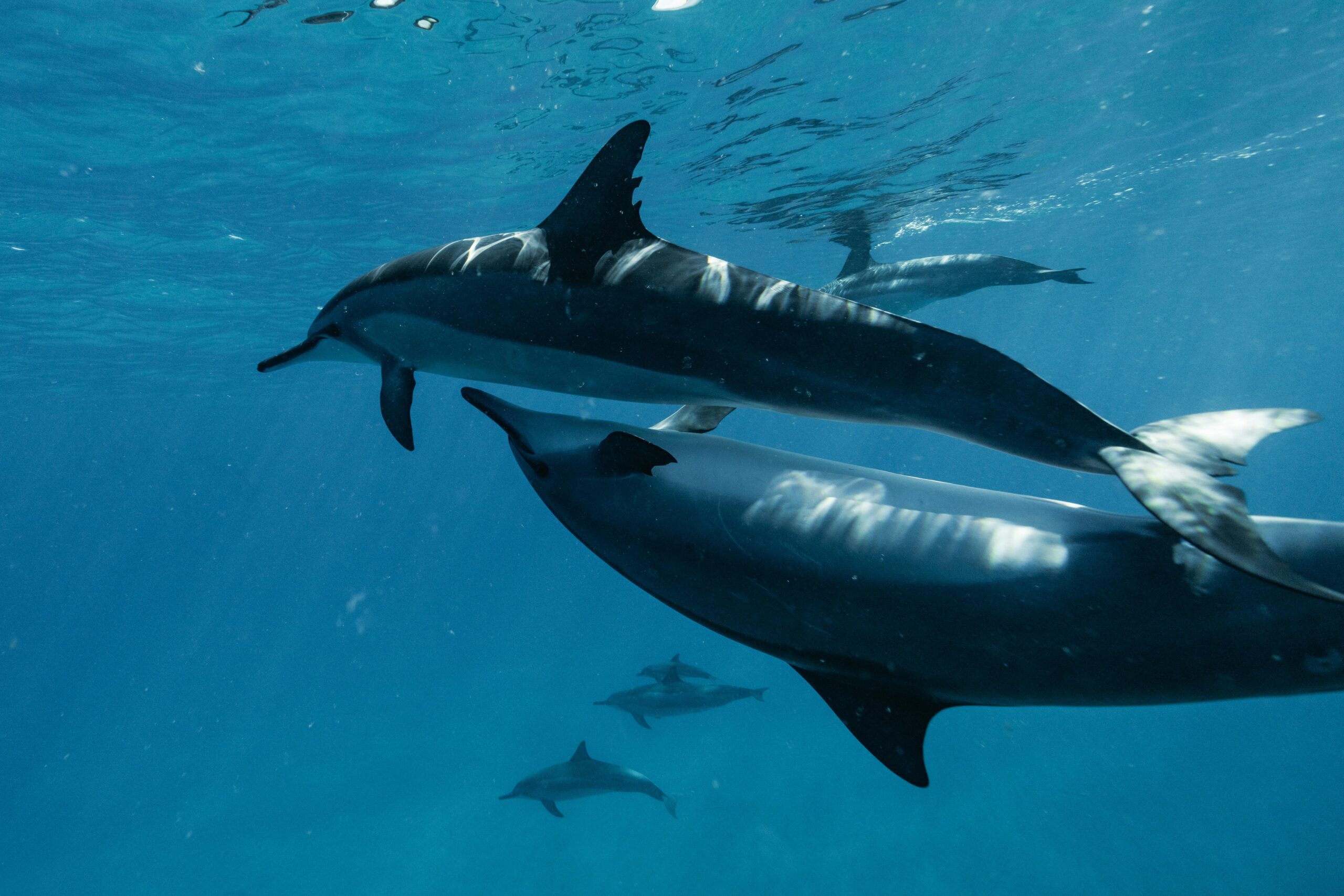
An international team of researchers, led by virologist Arvind Varsani from Arizona State University, has identified two completely novel viruses in short-finned pilot whales and orcas from the Caribbean, revealing a hidden layer of viral diversity in the ocean’s giants. The discovery, made by analyzing archived tissue samples, suggests these viruses may have an ancient evolutionary relationship with cetaceans, though their effects on whale health remain a mystery.
Beneath the surface of the Caribbean Sea, a microscopic drama has gone entirely unnoticed—until now. Scientists have uncovered two never-before-seen viruses inhabiting short-finned pilot whales and orcas, a find that expands our map of the viral universe and hints at a long, shared history between viruses and whales. The research, published in a study titled “Novel circoviruses identified in short-finned pilot whale and orca from the North Atlantic Ocean,” was made possible by high-throughput genetic sequencing of samples collected through a long-standing collaboration with artisanal subsistence whalers on the island of St. Vincent.
What did they find? From the genetic data, the team recovered seven complete circovirus genomes. Five came from pilot whales and two from orcas, representing two brand-new viral species. The researchers named them shofin circovirus (from pilot whales) and orcin circovirus (from orcas). Both are distinct from the only other known cetacean circovirus, found in a beaked whale in the Pacific. “This marks the first time circoviruses have been detected in cetaceans from this region,” noted the study, adding to a short list of viruses known to infect marine vertebrates.
READ ALSO: https://modernmechanics24.com/post/worlds-longest-expressway-tunnel/
The viruses’ structure provided the first clue to their uniqueness. A key part of the virus’s outer shell, called the E-F loop in its capsid protein, was found to be unusually large—nearly twice as long as the same structure in the well-studied porcine circovirus 2 that affects pigs. This structural oddity might influence how the virus interacts with its host. Further genetic analysis showed that all known cetacean circoviruses form their own distinct evolutionary group, suggesting they didn’t just jump from land animals recently.
This genetic signature points to a fascinating possibility: these viruses may be ancient hitchhikers. The study proposes that circoviruses could have been infecting the ancestors of modern whales early in their evolutionary history, tens of millions of years ago. “The findings suggest that circoviruses may have been infecting the ancestors of modern cetaceans early in their evolutionary history,” reported the research team, though they caution that more data from diverse species is needed to confirm this deep-time relationship.
WATCH ALSO: https://modernmechanics24.com/post/cartoon-robot-learns-kitchen-chores/
The critical, unanswered question is: what do these viruses do? In other animals, circoviruses are notorious. In birds and pigs, they can cause severe, often fatal, diseases and are linked to immunosuppression. A previous study on the beaked whale circovirus also hinted at a potential connection to a weakened immune system. Could the newly discovered viruses be making whales sick, or are they silent passengers? The researchers stress that it’s too early to know. How the viruses spread—through social contact, predation, or environmental routes—is also a complete mystery.
The discovery, spearheaded by first author Matthew De Koch, is a classic case of finding hidden worlds through new technological lenses. It underscores how much we still have to learn about the health and ecology of even the most studied marine mammals. For scientists like Arvind Varsani, this is just the beginning. Unraveling the impact of these viruses on whale populations, which face myriad threats from human activity, will be the next chapter in this deep-sea detective story.
READ ALSO: https://modernmechanics24.com/post/canadian-study-reveals-where-hiv-hides-in-body/