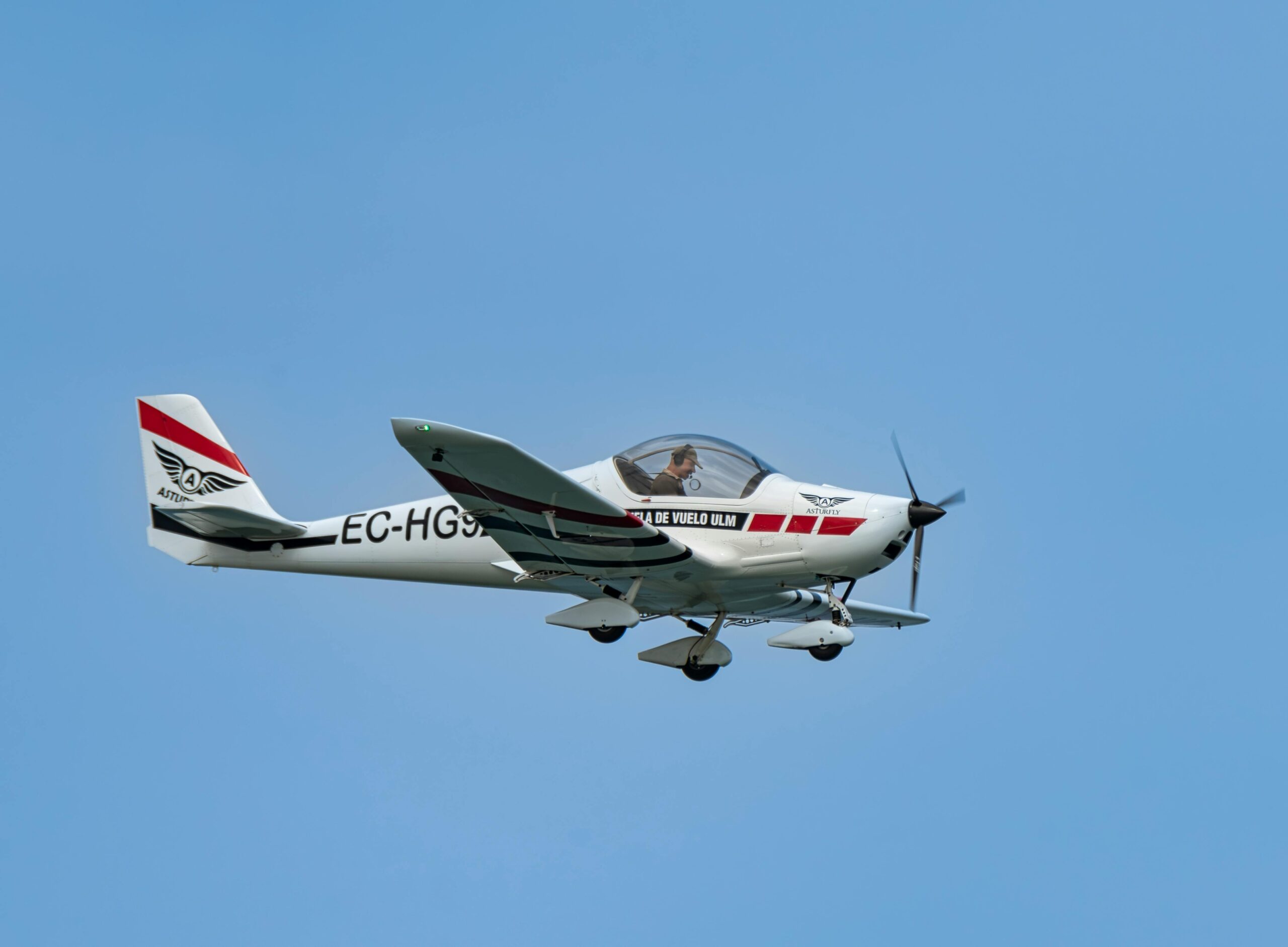
KestrelX, a private defense contractor, is using its ultra-low observable KX-2 aircraft to replicate Iranian-made Shahed-136 drones in major U.S. military exercises like Sentry South 26.1. With a radar cross-section smaller than a bird and the ability to fly 12-hour missions, these manned planes provide a critical, realistic training tool for fighter pilots learning to counter the persistent drone threat witnessed in Ukraine and the Middle East.
The distinctive buzz of a Shahed-136 loitering munition has become an ominous sound on modern battlefields. To prepare for this pervasive threat, the U.S. military has turned to an ingenious, cost-effective solution: small, stealthy manned aircraft that perfectly mimic the drone’s challenging flight profile. During the recent Sentry South 26.1 exercise off the coast of Savannah, Georgia, KestrelX’s two KX-2 planes flew as surrogate drones, providing invaluable training for F-22 Raptor, F-15E Strike Eagle, and F/A-18 Super Hornet pilots. According to an exclusive report from The War Zone, which flew along on a mission, this represents a fundamental shift in how the Pentagon trains for asymmetric threats.
About the Product, the KX-2 tackles a glaring gap in U.S. military readiness. It solves the complex problem of providing a realistic, trainable stand-in for small, slow, low-flying drones that are difficult for sophisticated fighter radars to detect and engage. The Basic Function of the aircraft is to serve as a full-scale, reusable threat simulator. It can fly as slow as 120 mph at treetop level to mimic a Shahed, or ramp up to 240 knots to simulate a cruise missile, all while presenting a minimal radar and infrared signature. This allows pilots to practice the entire “find, fix, track, and engage” cycle against a live target that behaves like the real thing.
READ ALSO: https://modernmechanics24.com/post/robot-surgery-erases-distance-china-study/
The genesis of this innovative approach came from firsthand experience. The Innovator & Engineer behind KestrelX is CEO Don Moseley, a former U.S. Navy F-14 and F/A-18 test pilot, and Director of Operations Daniel “Bop” Holmes, a former F-15E and F-22 test pilot. Moseley conceived the idea while flying as a contracted adversary pilot, realizing the need for a low-cost, low-observable platform to accurately replicate emerging threats. “I thought to myself, you don’t need just one F-117; you need about 10 to properly replicate the threat out there. The true threat… is weaponized UAVs like what we see in Ukraine,” Moseley told The War Zone.
A key Limitation of the platform is inherent to its manned design. While its 12-hour endurance is impressive, it is ultimately constrained by human pilot fatigue and safety requirements, unlike an actual one-way attack drone. Furthermore, operating in national airspace requires strict adherence to FAA regulations, which can limit some tactical training scenarios. However, the team frames this as a strength, as the manned element provides unparalleled flexibility to change mission profiles on the fly compared to a pre-programmed drone.
WATCH ALSO: https://modernmechanics24.com/post/us-hits-isis-terrorists-nigeria/
The value delivered is immediately tangible. The Summary of KestrelX’s role is that it provides the only way for fighter pilots to safely and legally train against a highly realistic drone proxy before facing them in combat. Feedback from pilots who have engaged real drones over Israel was unequivocal. Holmes recounted that a weapons officer who had just returned from that mission called the KX-2 training “some of the best… he could have given his pilots.” This real-world validation underscores why the service is in high demand, with plans to expand the fleet to 10 KX-2s and 3 KX-1 microjets by this summer.
The success at Sentry South, where pilots initially struggled to detect the tiny planes before adapting their tactics, proves the training’s necessity. As exercise director Lt. Col. Joseph ‘Stone’ Walz stated, “KestrelX lets me put an aircraft out there that can’t be represented by these other fighter jets… Now my aviators have to go out there and train to something that they might see again in the real world.” By turning a composite two-seater into the perfect drone doppelgänger, KestrelX is ensuring U.S. forces are never surprised by the buzz of an approaching Shahed.
READ ALSO: https://modernmechanics24.com/post/ornl-kyoto-fusioneering-partnership/