The growing dependence of the US military on SpaceX is facing fresh scrutiny after a global outage in its Starlink satellite network disrupted important US Navy drone tests last year.
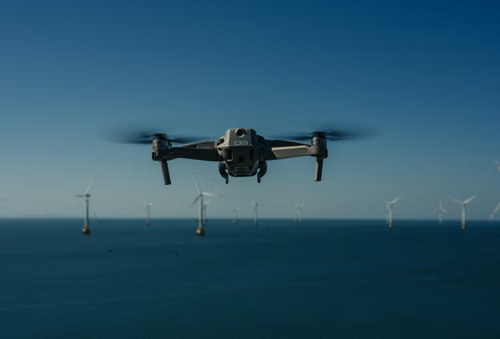
In August, US Navy officials were conducting trials of unmanned surface vessels off the California coast when the system suddenly failed. These vessels, designed to operate without human crews, rely heavily on constant satellite communication. But during the test, a widespread outage in Starlink left nearly two dozen vessels drifting without control.
For close to an hour, operators were unable to communicate with the autonomous boats. The test had to be paused. What began as a routine exercise quickly exposed a deeper vulnerability, a single point of failure.
READ ALSO: China Nickel Breakthrough: New Superconductors Push High-Temperature Physics Forward
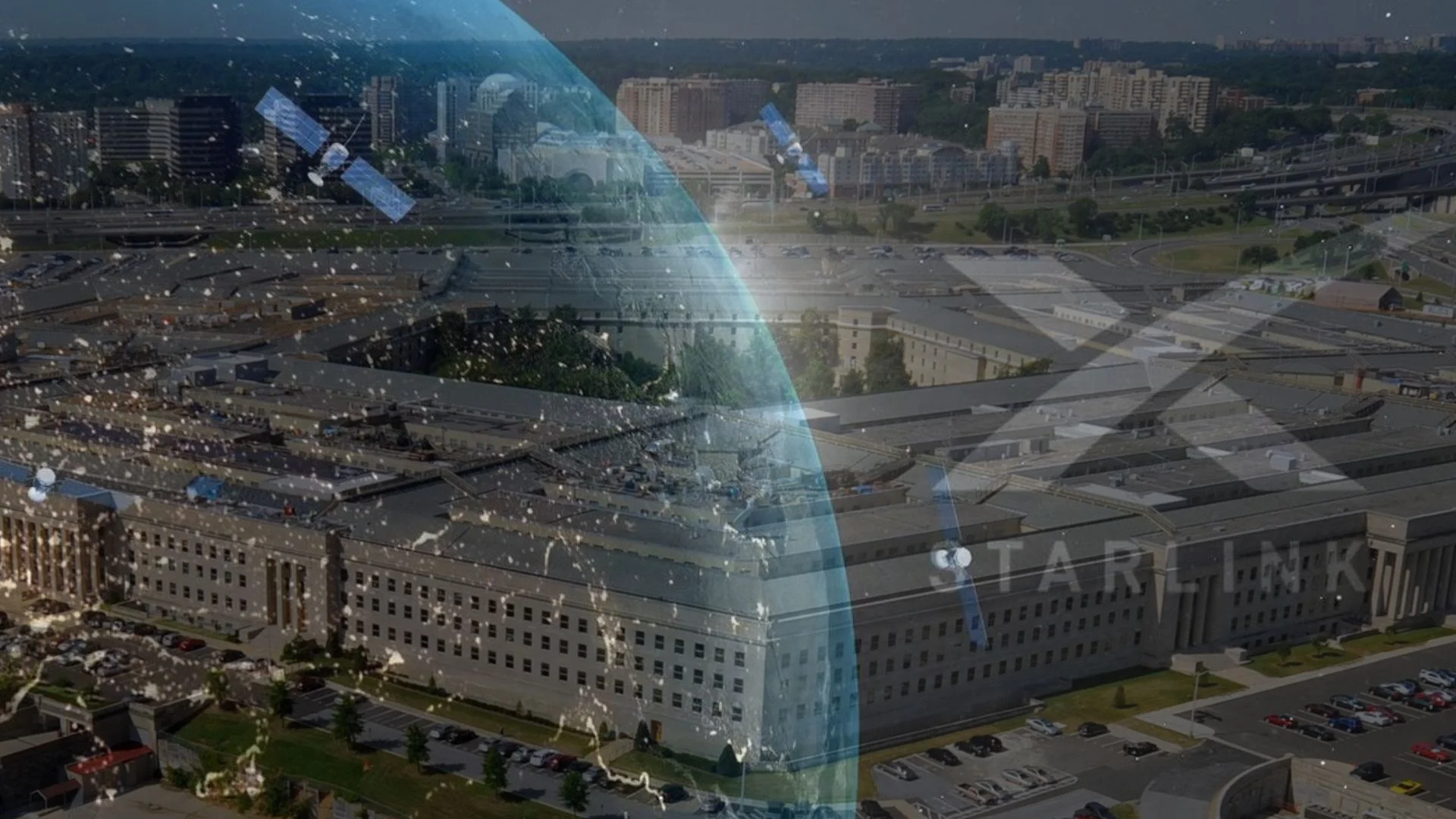
Starlink, the satellite internet service operated by Elon Musk’s SpaceX, serves millions of users globally. It has also become a backbone for several US military systems. Its network of nearly 10,000 low-earth orbit satellites offers fast, wide-reaching connectivity that traditional systems struggle to match. But this same scale is now raising concerns.
The Navy incident was not an isolated case. According to internal documents and sources familiar with the matter, multiple tests linked to the military’s drone programs have been disrupted by Starlink connectivity issues. These tests are part of a broader effort to strengthen US capabilities in potential conflicts, including scenarios involving China.
Officials involved in the August trial quickly realized the extent of their dependence. Without Starlink, communication with the vessels simply stopped. The boats continued floating in the water, but they were effectively blind and disconnected.
WATCH ALSO: International Space Station crew wishes New Year 2026
Clayton Swope from the Center for Strategic and International Studies explained that the US government currently has no equivalent system. He said that without Starlink, the government would lack access to a global low-earth orbit communications network.
Despite these risks, reliance on SpaceX has only grown. The company has become central to US space and defense operations.
It dominates launch services, provides satellite communications, and is expanding into military-focused technologies, such as artificial intelligence. Its Starlink network, along with the more secure Starshield system, is used in programs ranging from drone control to missile tracking. This dominance has also been fueled by competitors’ setbacks.
The US Space Force recently reassigned a GPS satellite launch to a SpaceX rocket for the fourth time. The change came after technical issues with the Vulcan rocket developed by United Launch Alliance, a joint venture between Boeing and Lockheed Martin. Such repeated shifts have strengthened SpaceX’s position as the default provider.
READ ALSO: Hidden Energy Vaults: Old Oil Fields Turn Into Hydrogen Gold Mines
At the same time, competition is emerging. Amazon has announced a major $11.6 billion deal to acquire satellite company Globalstar. But industry analysts say SpaceX still holds a clear lead in low-earth orbit communications.
Inside the Pentagon, concerns are growing. Lawmakers have warned that relying too heavily on a single private company, especially one led by a powerful and unpredictable figure, could pose national security risks. These concerns are not new.
In previous conflicts, Starlink’s role has already sparked controversy. Reports suggested that network access was restricted during key military operations in Ukraine. This raised questions among allies about how much control a private company should have in wartime situations.
There have also been concerns in Taiwan. US officials questioned whether Starlink services were being withheld from American personnel stationed there. SpaceX denied the claims, but the episode added to the unease.
The Pentagon has largely stayed silent on specific incidents. Officials have stated in general terms that the department uses multiple systems to ensure resilience. However, they have not directly addressed the Navy test disruptions.
WATCH ALSO: China commissions world’s largest open-sea offshore solar photovoltaic project
The technical challenges go beyond outages. During another set of Navy trials in April 2025, Starlink struggled to handle the heavy data load required to operate multiple unmanned systems at once.
A safety report noted that the network struggled to maintain stable connections when several drones were active simultaneously. The report clearly stated that reliance on Starlink exposed limitations under multi-vehicle load.
Other components also faced issues. Communication radios supplied by Silvus and Viasat’s networking systems contributed to the disruptions. But Starlink remained a central factor.
In the weeks leading up to the August outage, intermittent connectivity problems had already begun affecting tests. The exact cause of these disruptions remains unclear.
Even so, many defense experts argue that the benefits still outweigh the risks.
Bryan Clark, an expert in autonomous warfare at the Hudson Institute, explained the situation in practical terms. He said that the military accepts these vulnerabilities because of the advantages Starlink offers. Its wide availability, relatively low cost, and global reach make it difficult to replace.
On one hand, Starlink provides capabilities that were previously unavailable. It enables faster communication, supports advanced drone operations, and strengthens battlefield awareness. Also, it introduces new risks tied to dependence on a single system.
READ ALSO: Rocket Lab’s Gauss: Electric Propulsion Satellite Thruster to Meet Constellation Demand
Modern warfare is heavily dependent on technology and connectivity. When those systems fail, operations can come to a standstill. In this case, highly advanced unmanned vessels were rendered ineffective by a network outage lasting less than an hour.
As the Pentagon continues to integrate commercial technologies into its operations, the balance between innovation and resilience is becoming more critical. For now, SpaceX remains indispensable.
But the question is no longer just about capability. It is about control, reliability, and the risks of placing too much trust in a single provider. The incident off the California coast may have lasted only an hour. Its implications, however, are likely to shape military strategy for years to come.