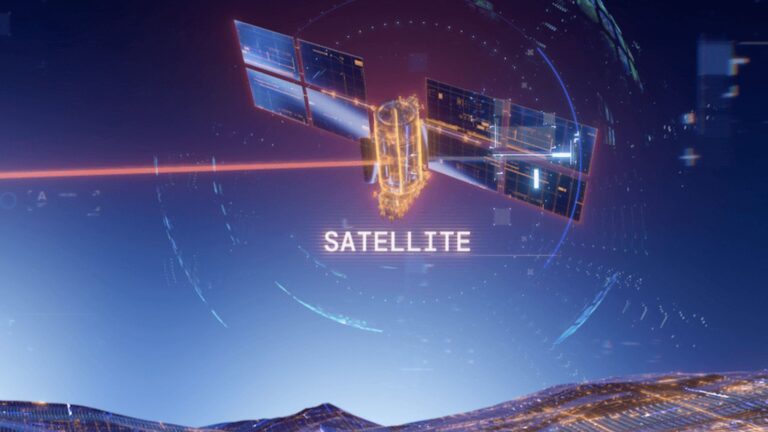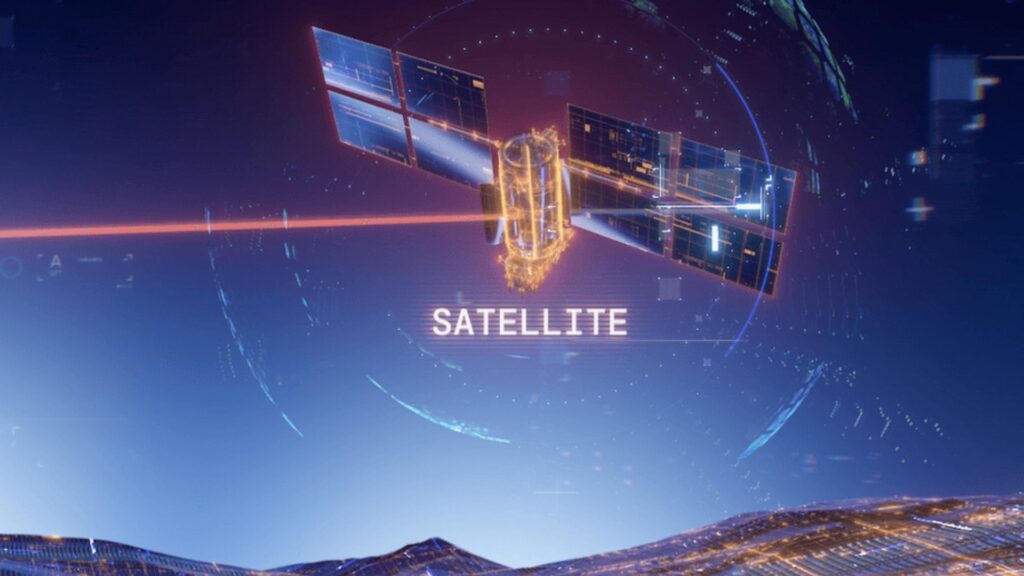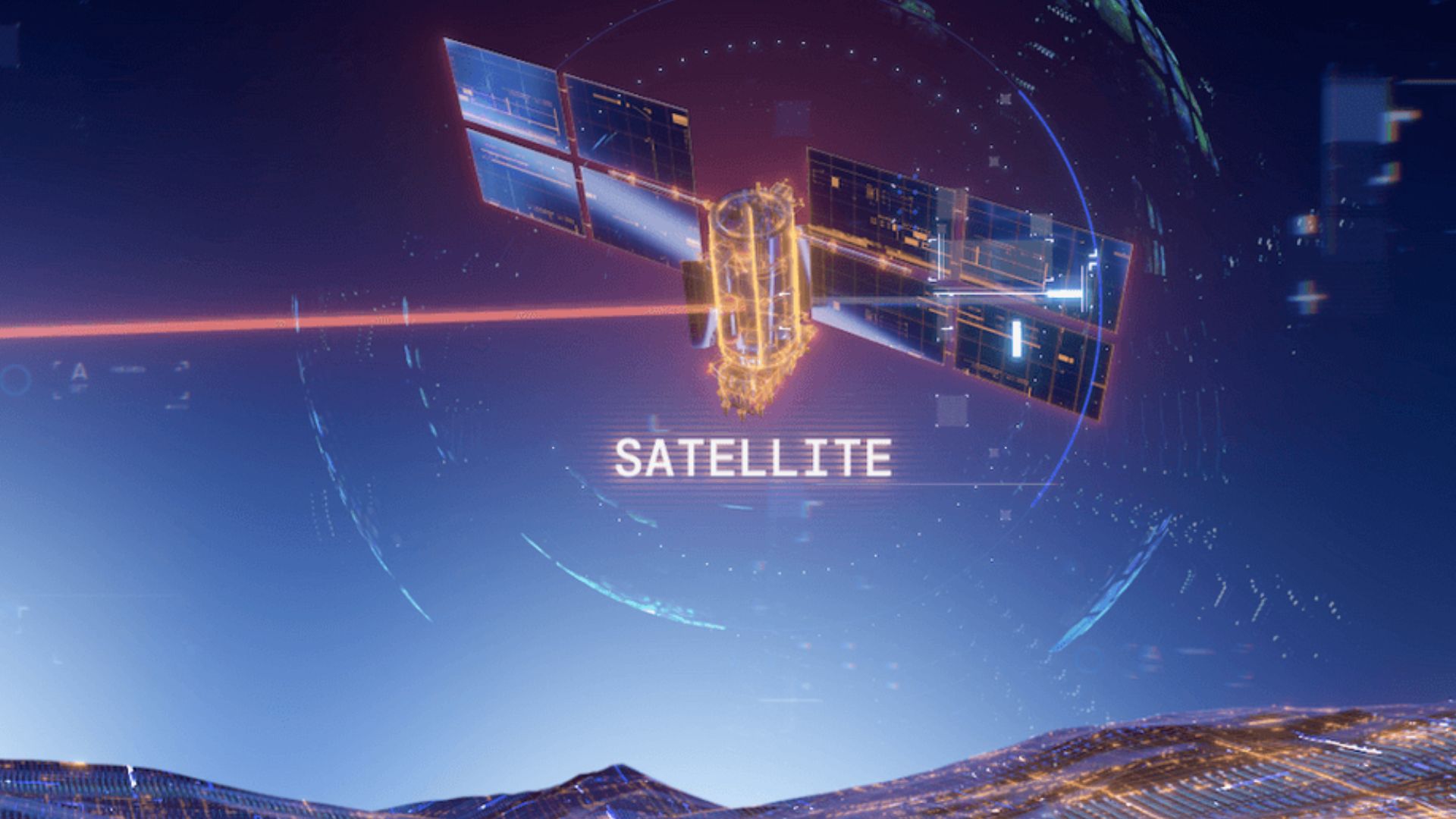
The European Space Agency (ESA) and its partners have successfully connected an aircraft to a geostationary satellite using laser communication.
The test achieved speeds of 2.6 gigabits per second. At that speed, an HD movie can be downloaded in just seconds.
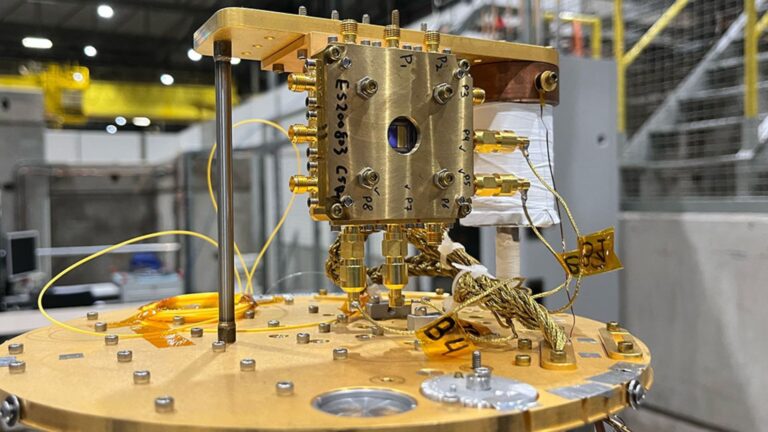
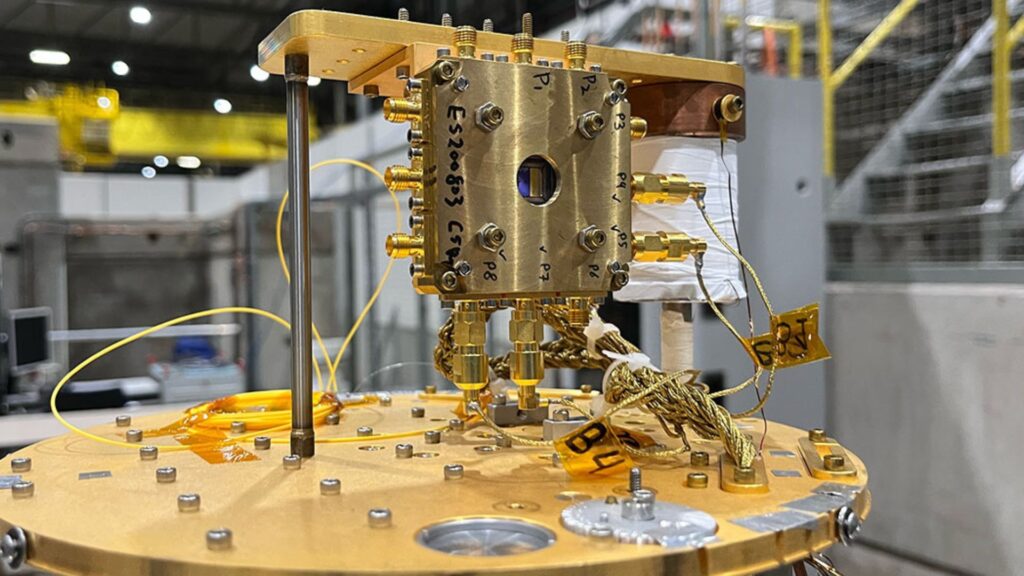
The test flights took place in Nîmes, France. Airbus Defense and Space used its UltraAir laser terminal to maintain a stable, error-free connection for several minutes. The aircraft stayed linked to the Alphasat TDP-1 satellite, which orbits about 36,000 kilometers above Earth.
This is the first time such a high-speed laser link has been established between a fast-moving aircraft and a geostationary satellite.
Space is becoming crowded. Radio frequencies are limited and face interference. Laser communication offers a powerful alternative.
Laser beams are narrow. They spread much less than radio waves. This makes them more secure and capable of carrying more data. It also makes them harder to detect or jam.
This technology could change how people connect to the internet in planes, ships, and remote regions. Reliable broadband could soon be available even in the sky or in isolated areas.
Connecting a moving aircraft to a satellite 36,000 km away is not easy.
The aircraft constantly moves. Vibrations affect stability. Clouds and atmospheric changes can disrupt signals. Despite these challenges, the system delivered a stable connection throughout the test.
WATCH ALSO: https://modernmechanics24.com/post/ai-platform-powers-research-robot/
François Lombard, Head of Connected Intelligence at Airbus Defense and Space, said, “Establishing laser links between moving targets at this distance is technically very challenging. Continuous movements, platform vibrations and atmospheric disturbances require extreme precision.”
He added, “This milestone builds on our strong history in laser communications. It opens the door to a new era of satellite communications for defense and commercial use.”
The project was developed under ESA’s Optical and Quantum Communications program, known as ScyLight. The program is part of ESA’s Advanced Research in Telecommunications Systems (ARTES).
It also received support from the Netherlands Space Office and the German Aerospace Agency (DLR). TNO and TESAT worked as key industry partners.
READ ALSO: https://modernmechanics24.com/post/bio-inspired-robotic-wing-underwate/
Laurent Jaffart, Director of ESA Resilience, Navigation and Connectivity, said, “This achievement shows how optical communications can transform secure connectivity for our Member States.”
He added, “Collaboration drives innovation. This milestone will benefit future missions where speed and security are critical.”
Kees Buijsrogge, Director of Space at TNO, said, “This breakthrough proves that our industry strengthens Europe’s security and autonomy by leading in secure laser communications.”
READ ALSO: https://modernmechanics24.com/post/nano-qr-tech-future-of-data-storage/
ESA is also working on the High-throughput Optical Network (HydRON). The goal is to build a strong optical communication network in space.
Harald Hauschildt, Head of ESA’s Optical and Quantum Communication Office, said, “Optical communications between airborne users and satellite networks are high on ESA’s agenda. High-data-rate, low-latency links are in demand for commercial and resilience-driven applications.”
This technology will allow seamless, high-speed internet on flights, ships, and even vehicles crossing remote roads.