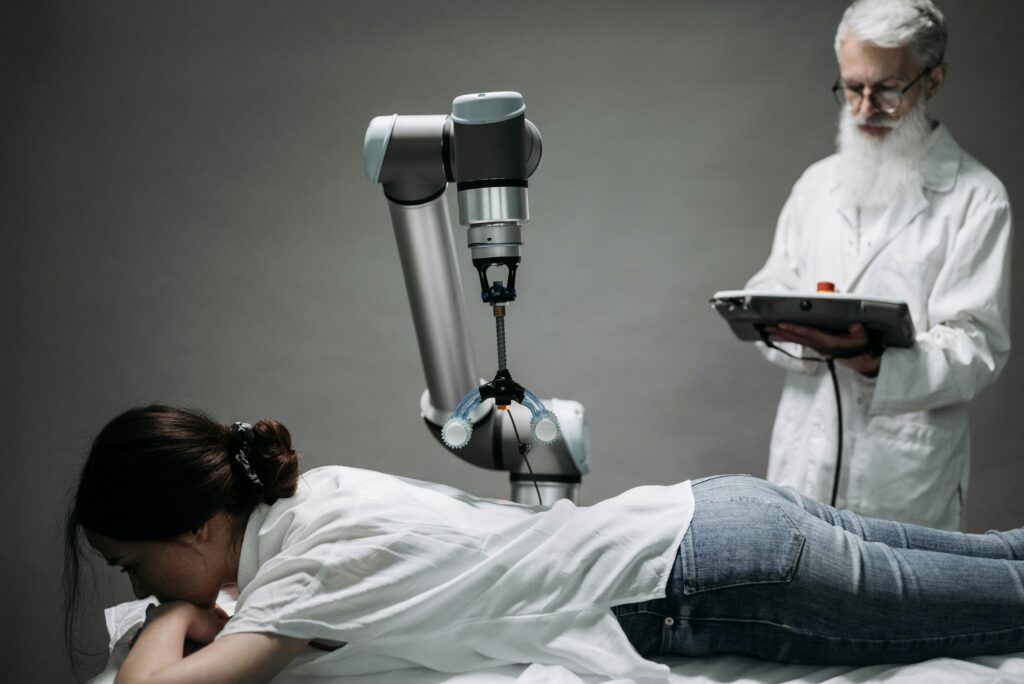
Researchers from the Singapore-MIT Alliance for Research and Technology (SMART) have developed a new AI control system that lets soft robotic arms learn a wide range of movements once and then adjust instantly to new situations without retraining.
The system helps soft robots become more intelligent and adaptable for real-world use in areas like healthcare, assistive devices, and medical robotics. This brings machines closer to human-like flexibility and safety.
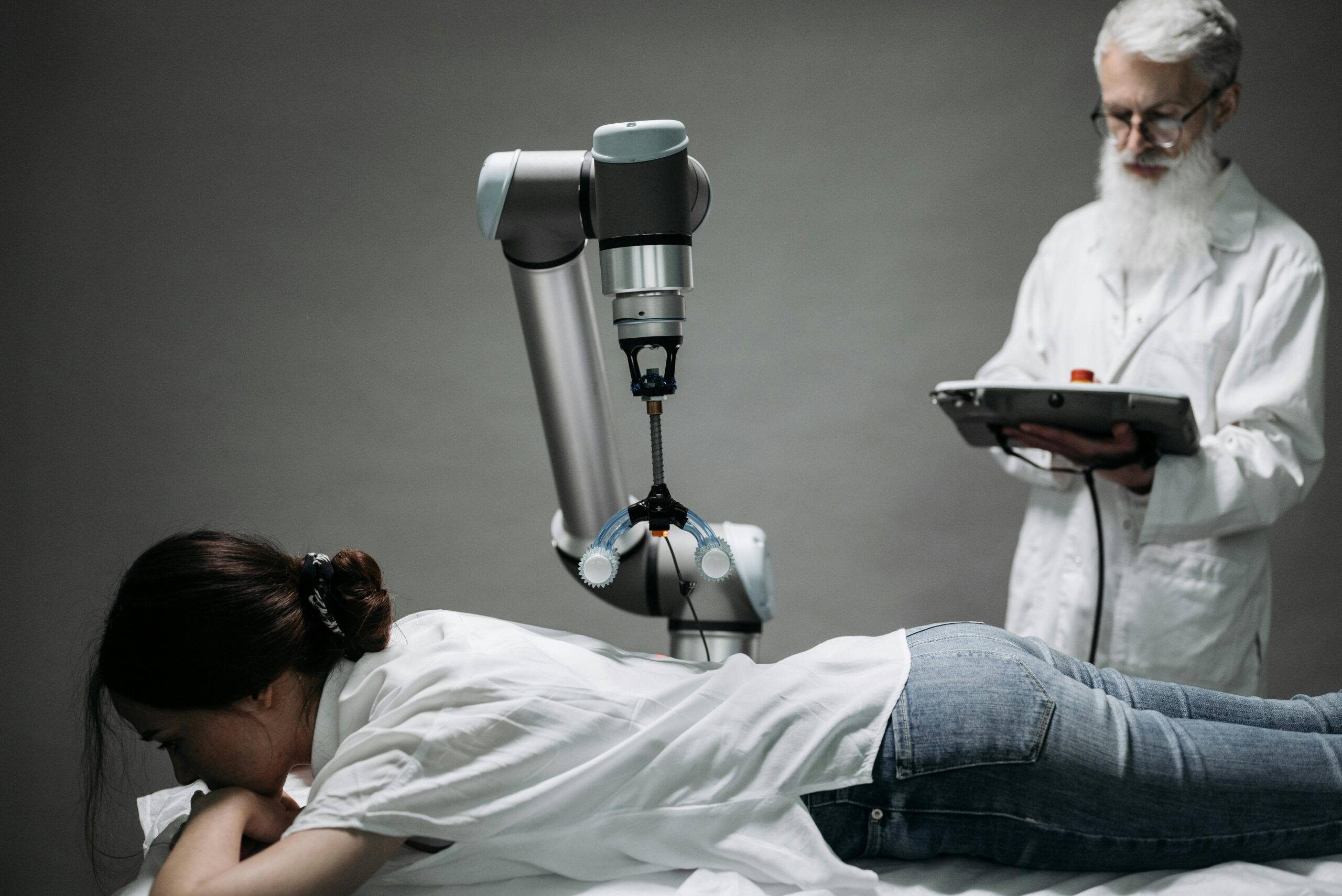
A team of researchers has created an artificial intelligence control system that allows soft robotic arms to perform many different tasks after a single learning phase. The robots can then adapt on their own when conditions change, without losing functionality or needing reprogramming.
The work comes from the Mens, Manus and Machina (M3S) research group at SMART. Scientists from the National University of Singapore (NUS) led the project alongside collaborators from MIT and Nanyang Technological University in Singapore. The findings were published January 6 in the journal Science Advances.
READ ALSO: https://modernmechanics24.com/post/russia-barrage-1-balloon-starlink-ban/
Soft robots are made from flexible materials like rubber and move using special components that act like artificial muscles. While their flexibility makes them ideal for delicate tasks, controlling them has been difficult because their shape changes in unpredictable ways. Even small disturbances—like a shift in weight or a gust of wind—can throw off their movements. Until now, no single system could help soft robots learn from past tasks, adapt quickly, and stay stable all at once.
The system takes inspiration from how the human brain learns. It uses two sets of “synapses” that work together. The first set, called structural synapses, trains the robot on basic movements like bending or extending. These form a strong foundation. The second set, called plastic synapses, updates continuously as the robot operates and fine-tunes movements based on what is happening in real time. A built-in safety measure keeps the robot stable during adjustments.
Tests on two different soft robotic arms showed strong results. The system reduced tracking errors by 44 to 55 percent under heavy disturbances. It maintained over 92 percent shape accuracy even when weights changed, air flowed, or actuators failed. Performance stayed stable even when half the actuators stopped working.
WATCH ALSO: https://modernmechanics24.com/post/humanoid-robots-no-human-control/
The system has been tested only on specific soft robotic platforms in controlled settings. Researchers plan to extend the technology to robots that can operate at higher speeds and in more complex environments before it is ready for widespread use.
This breakthrough could lead to soft robots that work safely alongside people in clinics, factories, and homes. In healthcare, rehabilitation devices could automatically adjust to a patient’s changing strength. Medical soft robots could respond more sensitively to individual needs. The system reduces the need for constant reprogramming, cutting downtime and costs in manufacturing, logistics, and inspection.
Associate Professor Zhiqiang Tang, first author of the study who was a postdoc at SMART and NUS and is now at Southeast University in China, said this is one of the first general controllers that can achieve all three key aspects needed for soft robots to be used in society.
READ ALSO: https://modernmechanics24.com/post/titanic-sized-electric-ferry-set-record/
Professor Daniela Rus, director of MIT CSAIL and co-corresponding author, added that this brings us closer to a future where versatile soft robots can operate intelligently alongside people.