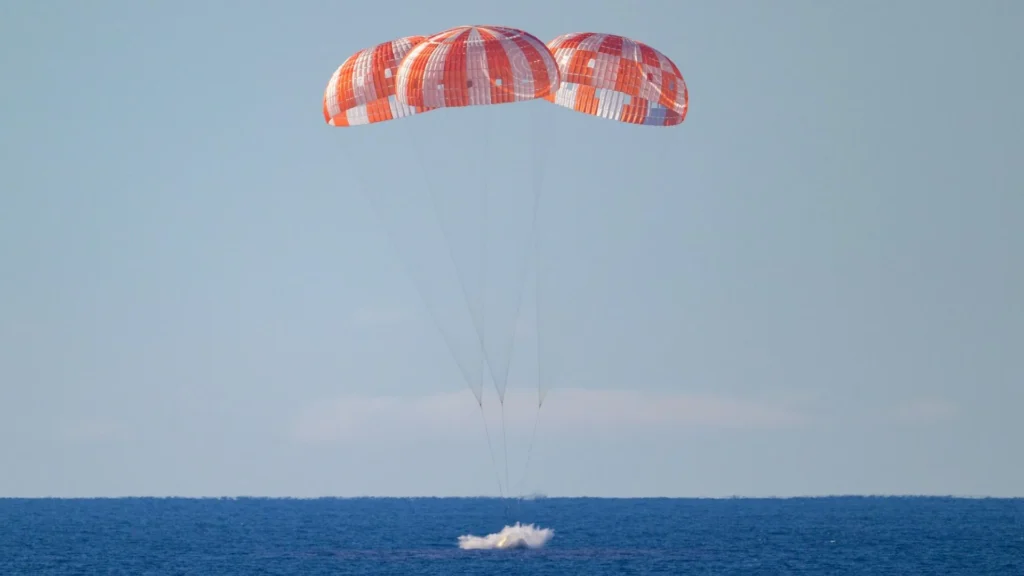
NASA has reclassified Boeing’s first crewed Starliner mission as a “Type A mishap”—the agency’s most serious category, typically reserved for incidents like the space shuttle Challenger and Columbia tragedies .
The space agency announced the decision on February 19 after releasing a 311-page investigation report into the June 2024 flight that left two astronauts stranded on the International Space Station for nine months .
NASA has formally designated the Boeing CST-100 Starliner Crew Flight Test as a Type A mishap, the highest level in the agency’s incident classification system . The designation means the mission involved potential catastrophic risk, cost overr exceeding $2 million by “a factor of 100” (approximately $200 million), and resulted in loss of spacecraft control . The spacecraft suffered multiple thruster failures during approach to the space station and temporarily lost “six degree of freedom” control—the ability to maintain precise orientation and trajectory.
The mission launched on June 5, 2024, carrying NASA astronauts Suni Williams and Butch Wilmore aboard Boeing’s Starliner spacecraft . NASA chartered an independent Program Investigation Team in February 2025 to examine the technical, organizational, and cultural factors behind the mission’s problems. The team completed its comprehensive report in November 2025, which was released to the public on February 19, 2026.
READ ALSO: https://modernmechanics24.com/post/iran-fortifies-nuclear-missile-sites/
The investigation revealed that the Starliner mission exposed deep flaws in both hardware and decision-making. Five thrusters failed as the spacecraft approached the space station, with only four recovering . The root cause remains unidentified, but investigators found a “complex interplay of hardware failures, qualification gaps, leadership missteps, and cultural breakdowns” that created unacceptable risks to crew safety . NASA Administrator Jared Isaacman stated that “programmatic advocacy exceeded reasonable bounds and placed the mission, the crew and America’s space program at risk”
The Starliner spacecraft uses a service module with reaction control system thrusters for maneuvering. During rendezvous with the space station, multiple thrusters automatically shut down after triggering failure detection logic . Investigators identified several likely technical causes: two-phase oxidizer flow effects like vapor formation, extrusion of Teflon poppets inside oxidizer valves, and high mechanical demand from guidance commands . A crew module thruster also failed during descent, and seven of eight helium manifolds leaked during the mission .
WATCH ALSO: https://modernmechanics24.com/post/top-research-robot-new-ai-platform/
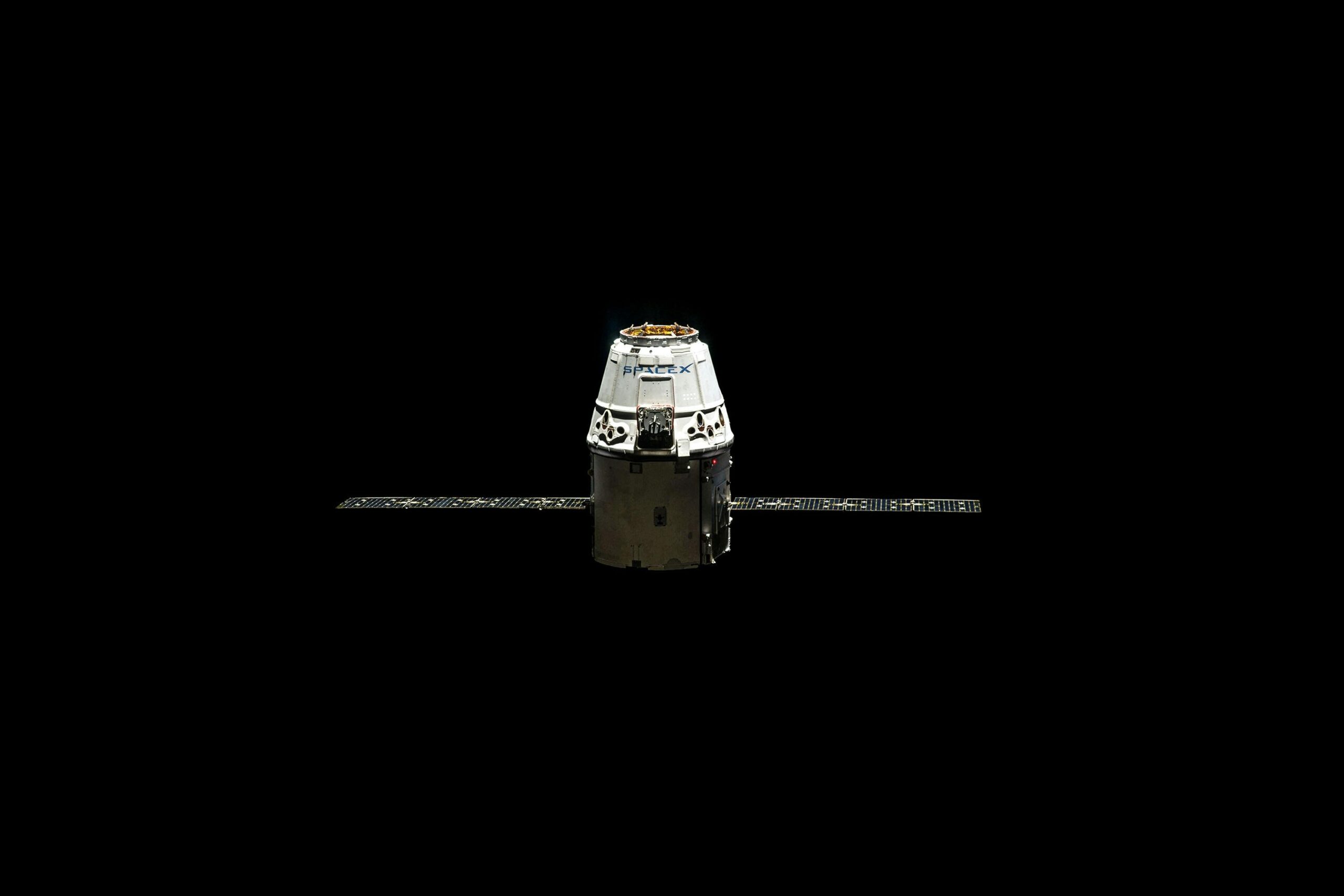
The astronauts ultimately reached the space station safely after flight controllers performed emergency troubleshooting and “hot fired” thrusters to recover functionality . However, NASA deemed the spacecraft unsafe for return, so Williams and Wilmore remained on the ISS for 93 days instead of the planned 10 . They finally returned to Earth in March 2025 aboard a SpaceX Crew Dragon capsule . Both astronauts have since retired from NASA .
The investigation found that earlier Starliner test flights in 2019 and 2022 showed warning signs that were never fully pursued to root cause . Some anomalies were treated as isolated fixes or accepted as unexplained, allowing systemic weaknesses to persist into the crewed mission . NASA Associate Administrator Amit Kshatriya admitted: “We failed them. The agency failed them” . The space agency issued 61 corrective actions and stated that “NASA will not fly another crew on Starliner until technical causes are understood and corrected”
READ ALSO: https://modernmechanics24.com/post/earth-weakest-gravity-point-antarctica/
This incident represents a major credibility blow to NASA’s Commercial Crew Program, which sought two independent providers for astronaut transportation . Isaacman warned that the “most troubling failure revealed by this investigation is not hardware. It’s decision-making and leadership that, if left unchecked, could create a culture incompatible with human spaceflight” . He added: “We almost did have a really terrible day. At that moment, had different decisions been made, had thrusters not been recovered, or had docking been unsuccessful, the outcome of this mission could have been very, very different” .