University of Missouri researcher Professor Susie Dai has genetically engineered a novel strain of algae that can capture harmful microplastics from wastewater three times faster than previous methods. This bio-based solution not only cleans polluted water but also aims to upcycle the captured plastic into new, safe bioproducts, tackling multiple environmental issues with a single, sustainable process.
In the global fight against plastic pollution, the smallest fragments are often the most insidious. Microplastics—tiny particles that slip through conventional filters—contaminate waterways, ecosystems, and even our drinking water. Now, a groundbreaking approach from a Mizzou lab is turning to biology for a solution. Professor Susie Dai and her team have successfully engineered algae to act as a powerful, living magnet for these pervasive pollutants.
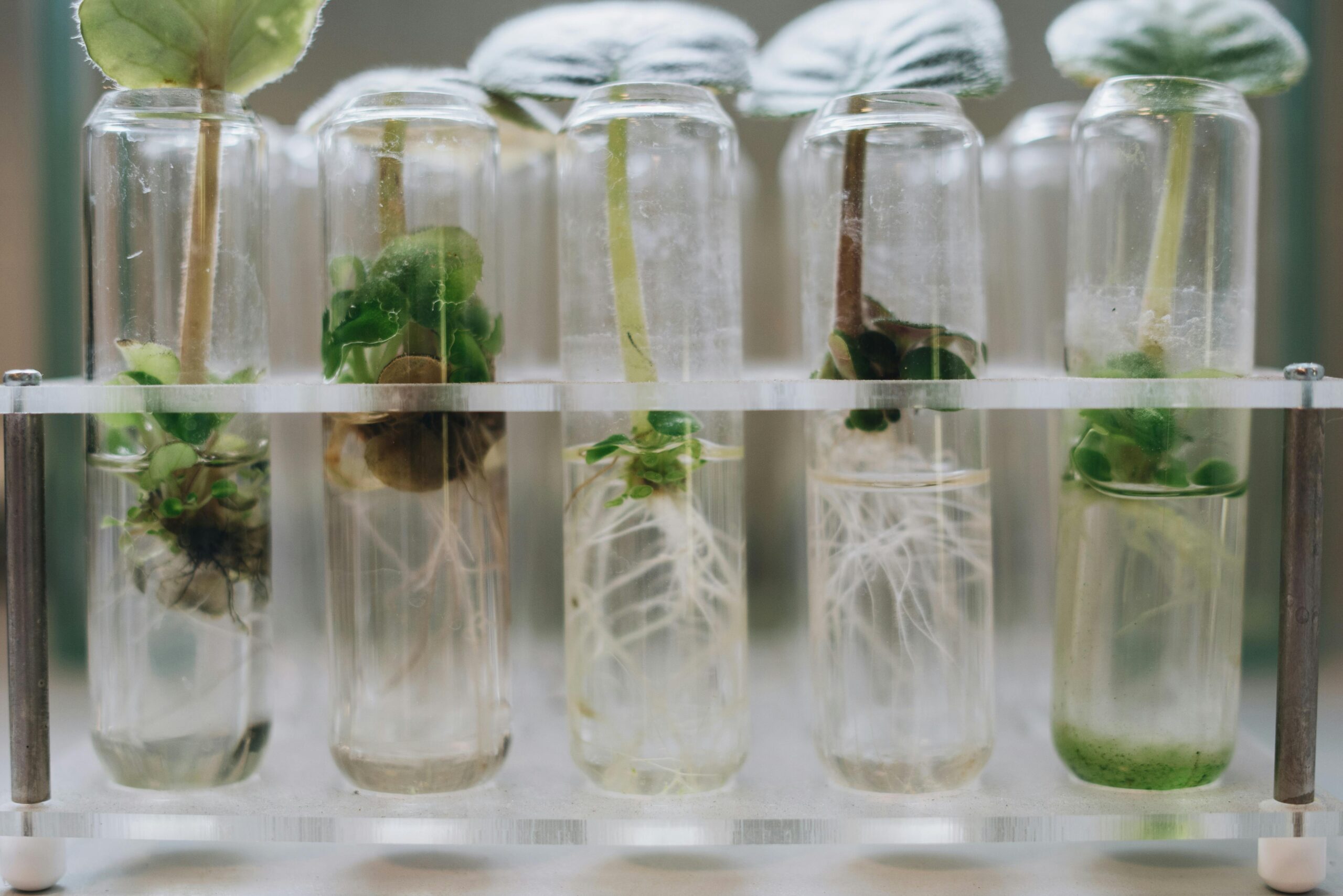
About the Product, this research tackles the critical failure point in modern water treatment. The Basic Function of the genetically modified algae is to solve the problem of removing microplastics that evade standard filtration at wastewater plants. Dai’s algae are engineered to produce limonene, the natural oil that gives oranges their scent. This compound makes the algae’s surface water-repellent, causing hydrophobic microplastics to clump onto them aggressively. The algae and plastic form a dense biomass that sinks, creating a layer that is easily collected from the water.
READ ALSO: https://modernmechanics24.com/post/worlds-largest-accelerator-heats-homes/
The Innovator & Engineer driving this project is Professor Susie Dai, a principal investigator at the Bond Life Sciences Center in the College of Engineering. Her vision extends beyond simple removal. “By removing the microplastics, cleaning the wastewater, and eventually using the removed microplastics to create bioplastic products for good, we can tackle three issues with one approach,” Dai explained. The system is designed to be circular: the algae grow by feeding on excess nutrients in wastewater, cleaning it as they multiply, and the harvested plastic-algae biomass could be repurposed into composite plastic films.
A current Limitation is the scale of the technology. While promising, the research is in its early stages, primarily demonstrated in lab settings. Dai’s team operates a 100-liter bioreactor nicknamed “Shrek,” used for air pollution work, but scaling this process to handle the millions of gallons processed by municipal treatment plants presents a significant engineering and economic challenge that must be overcome for widespread adoption.
WATCH ALSO: https://modernmechanics24.com/post/elon-musk-space-internet-ghana/
The Summary of this innovation’s value is its elegant, multi-pronged attack on pollution. It offers a sustainable, biologically-powered method to capture pollutants that current infrastructure misses, simultaneously remediating wastewater and creating a pathway to turn waste into a resource. Published in Nature Communications, the work represents a significant leap in bio-remediation. Dai’s goal is to eventually integrate this process into existing plants, transforming wastewater treatment into a more effective, circular system that protects both ecosystems and human health.