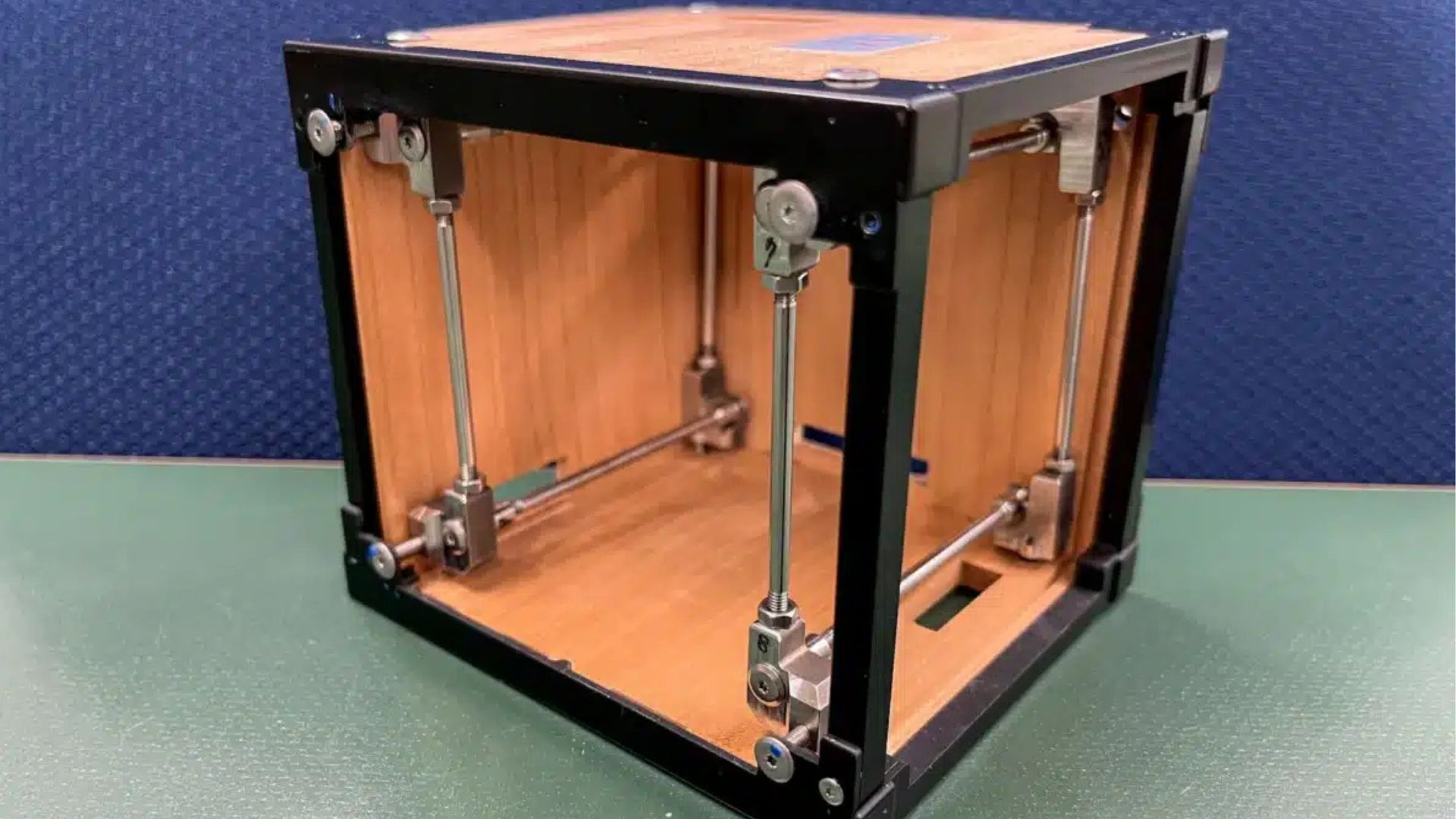
Researchers at Kyoto University, in partnership with Sumitomo Forestry, have developed the world’s first wooden satellite.
The satellite, named LignoSat, is set to redefine how spacecraft are built and how space debris is managed.
Unlike conventional satellites made of aluminum and other metals, LignoSat is constructed from magnolia wood. This wood is a biodegradable material scientists believe could help curb atmospheric pollution caused by space junk.
As the number of satellites orbiting Earth continues to rise, so does concern over space debris. Traditional metal satellites, when they re-enter Earth’s atmosphere, burn up and release aluminum oxide particles. These particles can linger in the upper atmosphere for years, potentially affecting climate systems and atmospheric chemistry.
READ ALSO: https://modernmechanics24.com/post/robots-replace-scientists-catalyst-labs/
The LignoSat project aims to address that issue.
How Wood Survives in Space
At first glance, using wood in outer space may seem impractical. However, researchers argue that space may actually preserve wood better than Earth does.
Koji Murata, who leads the project at Kyoto University, said previous experiments demonstrated the surprising durability of wood in orbit.
“Wood samples exposed to space conditions showed almost no degradation,” Murata explained. He added that the absence of oxygen and living organisms in space prevents the typical decomposition seen on Earth.
In earlier tests conducted aboard the International Space Station (ISS), wood samples were exposed to the vacuum and temperature fluctuations of space for nearly a year. The findings suggested that certain types of wood could withstand radiation and extreme conditions without cracking or splintering.
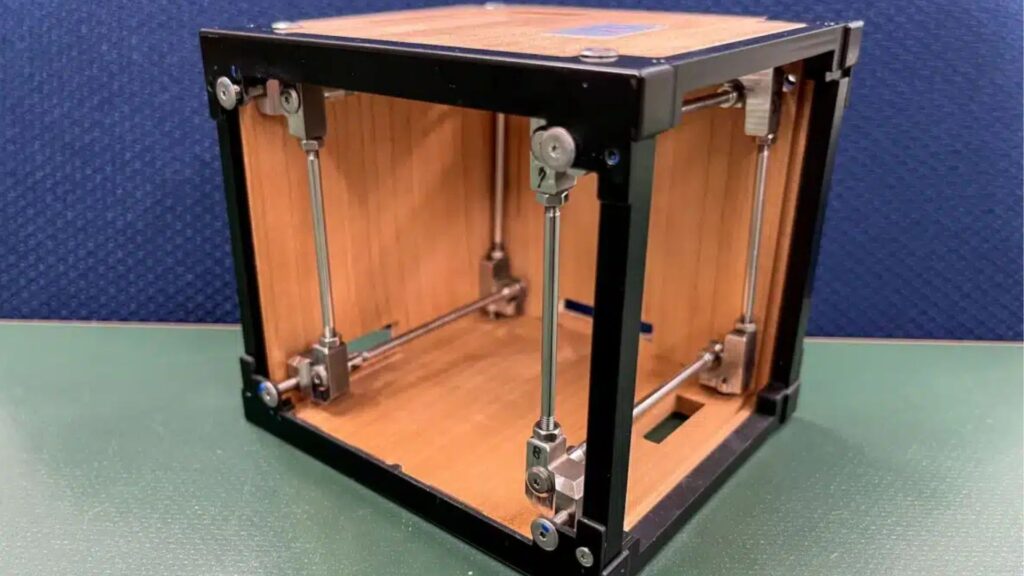
For LignoSat, researchers selected honoki magnolia wood. According to the mission details, the final design uses 10-centimeter-long magnolia panels assembled using a traditional Japanese wood joinery technique. It eliminates the need for screws or adhesives.
WATCH ALSO: https://modernmechanics24.com/post/china-6-ton-tiltrotor-first-flight/
Why Space Debris Is Growing Threat
Space agencies worldwide are grappling with the escalating issue of orbital congestion. Thousands of satellites, both operational and defunct, circle Earth. When these objects eventually fall back into the atmosphere, they disintegrate, releasing metallic particles.
Takao Doi, a Japanese astronaut and aerospace engineer involved in the project, emphasized the urgency of finding alternatives. “All satellites that re-enter Earth’s atmosphere burn and create tiny alumina particles,” Doi said. “These particles will float in the upper atmosphere for many years.”
Scientists study how these particles may influence atmospheric processes. While research is ongoing, the push toward sustainable materials in space technology is gaining momentum.
READ ALSO: https://modernmechanics24.com/post/ga-asi-mq9b-long-range-weapons-mq-9b/
Sustainable Space Technology
If LignoSat performs as expected, it could open the door to biodegradable spacecraft components. Researchers believe that wooden structures may completely burn up upon re-entry, leaving no harmful residues, offering a cleaner end-of-life cycle for satellites.
The mission also symbolizes a broader shift toward eco-conscious engineering, not just on Earth but beyond it.
By combining traditional materials with modern aerospace science, Japan’s LignoSat project challenges assumptions about what belongs in space. The question now is whether this wooden satellite will prove that sustainability and space exploration can move forward together.