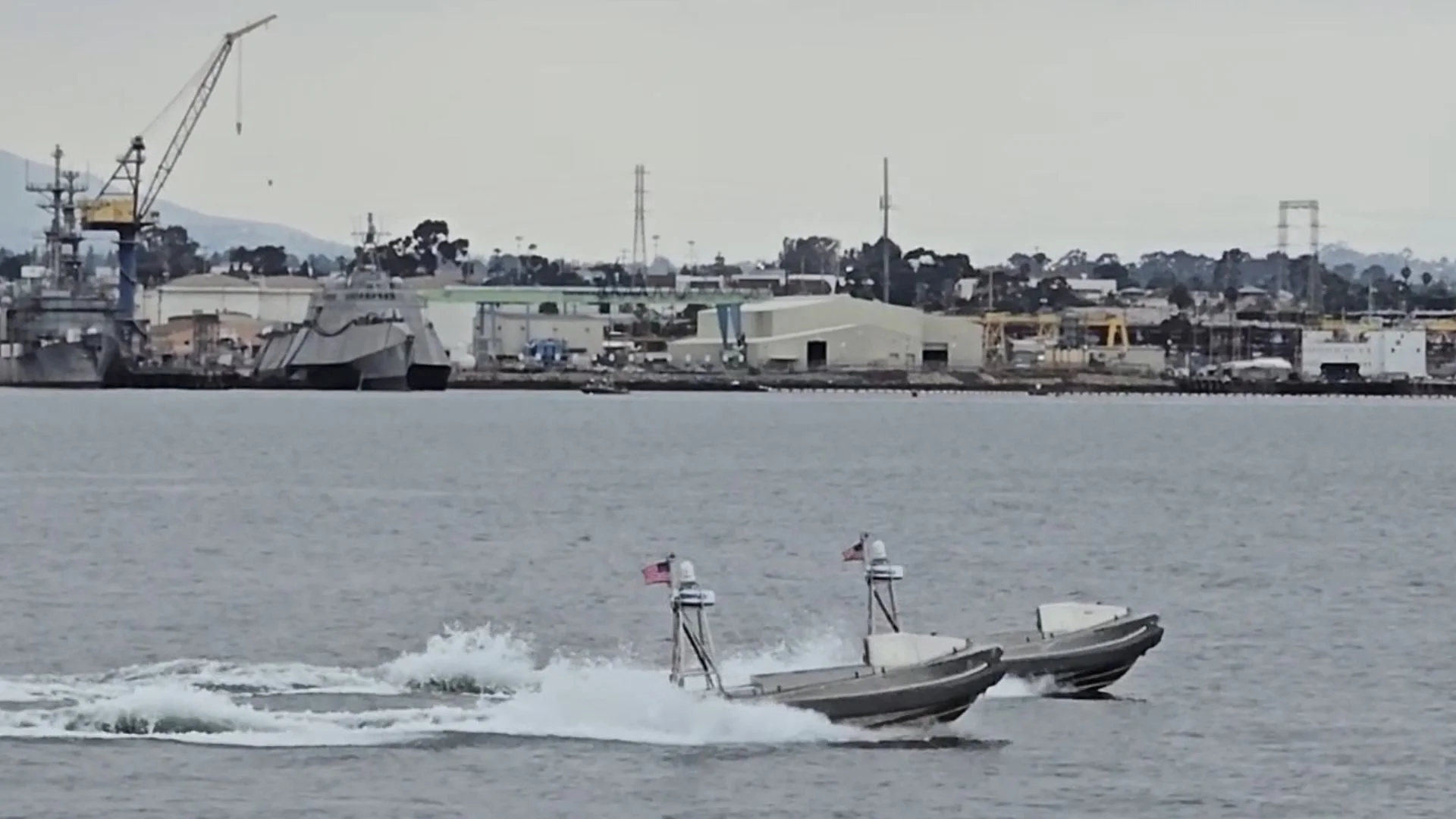
The US is advancing a plan to deploy thousands of uncrewed vessels across the Indo-Pacific, aiming to create a hellscape that makes it much harder for China to act against Taiwan, especially in the Taiwan Strait.
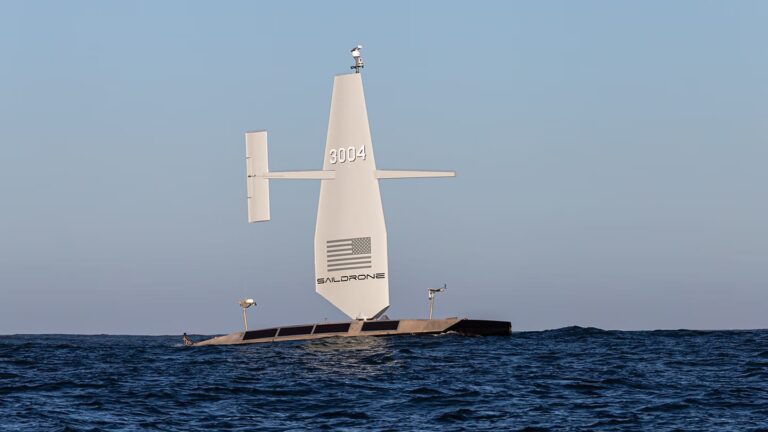
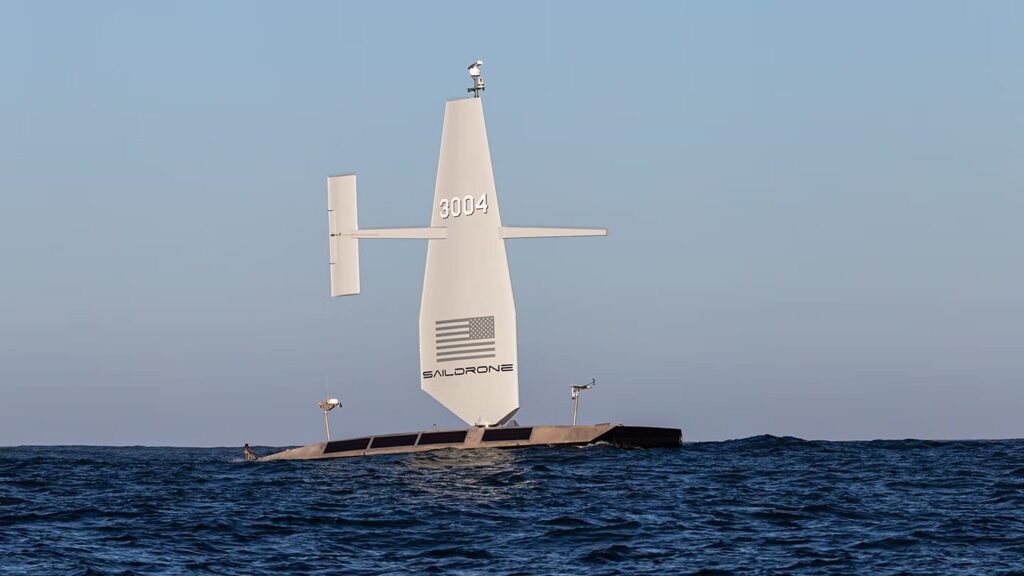
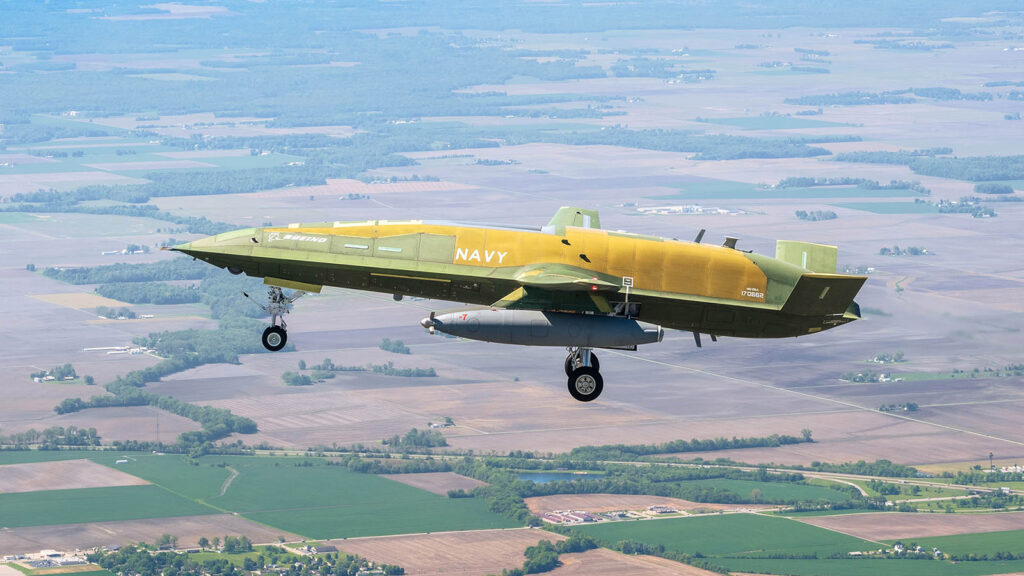
The plan, backed by the US Navy and US Indo-Pacific Command, aims to deploy large numbers of autonomous systems by 2030. These include more than 30 medium-sized uncrewed surface vessels, along with thousands of smaller drone boats and aerial systems.
Admiral Samuel Paparo has described the concept as creating a hellscape, a dense network of unmanned systems that could overwhelm an enemy’s ability to respond. The goal is simple: flood contested waters with so many targets that any military action becomes risky and costly.
READ ALSO: AI Data Center Power Rush Drives 129M Greenhouse Emissions Surge Bigger Than Nations
For Taiwan, the idea is appealing. The island faces growing pressure from the People’s Liberation Army, whose navy has expanded rapidly in recent years. Cheap, expendable drone boats could force Chinese forces to track and engage far more targets, stretching their resources.
Defense officials say this could raise the cost of any blockade or attack. But there is a gap between strategy and execution.
Zivon Wang, an analyst at a Taipei-based think tank, says the biggest question is production. He argues that these systems will only matter if the US can build them in very large numbers.
“If the US produces enough, they will be highly useful in the Taiwan Strait,” Wang says.
He adds that drone boats could also disrupt China’s use of civilian vessels in so-called grey-zone operations. These include fishing fleets and commercial ships used to create pressure without open conflict.
Still, building these systems is not easy. Unlike aerial drones, uncrewed boats are larger, more complex, and harder to manufacture at scale. They must survive harsh sea conditions, which increase cost and design challenges.
WATCH ALSO: A giant mobile elevated work platform has been launched
Storage and transport are also major concerns. Moving large numbers of vessels across the Pacific Ocean would be difficult to hide. And once deployed, only a limited number could realistically operate near Taiwan at any given time.
“The Indo-Pacific is enormous,” Wang says. “Only a limited number can be placed close to Taiwan.”
Max Lo, head of a strategic research group in Taipei, says the concept makes sense in theory but faces real-world limits. He explains that uncrewed vessels still depend on support systems, including ships, bases, or launch platforms.
This creates range and deployment challenges. If the vessels stay too far from the battlefield, their impact drops. If they move too close, they become easy targets for China’s anti-ship missiles.
“The key issue is survival,” Lo says. “Once detected, they can be targeted quickly.”
READ ALSO: Talk Without Talking: AI Neckband Turns Silent Words Into Your Voice; Here’s How It Works
China’s surveillance systems add to the challenge. The PLA uses airborne early warning aircraft and advanced sensors to monitor large areas. Lo says the US would first need to weaken these systems before drone swarms can operate effectively.
Lu De-yun, a former Taiwan defense official, says uncrewed vessels are a logical response to growing risks faced by US warships in the region. He believes they could limit the freedom of movement of Chinese naval and coastguard forces. However, he raises another concern.
He says it remains unclear whether these systems could break a ‘quarantine-style’ campaign. In such a scenario, China could cut Taiwan’s trade and energy supplies without launching a full invasion.
That type of pressure may not require large-scale combat, making drone swarms less decisive. There are also broader geopolitical factors.
Lu notes that US support will depend on its global commitments. If Washington is handling multiple conflicts at once, its ability to focus on Taiwan may be reduced.
“That is already the reality in 2026,” he says. The debate is also shaping Taiwan’s own defense plans.
WATCH ALSO: A giant mobile elevated work platform has been launched
Taipei has proposed a major military budget to boost its use of autonomous systems. The plan includes more than 1,000 attack-capable uncrewed surface vessels and up to 200,000 aerial drones.
Officials say the goal is to strengthen asymmetric warfare, using smaller, cheaper systems to counter a larger force. The program would rely on imported software while keeping hardware production in Taiwan.
However, the plan faces political resistance. The opposition Kuomintang party has raised concerns about oversight and spending details. Critics argue that the proposals lack transparency and clear planning.
Government officials disagree. They warn that delays could leave Taiwan unprepared as warfare evolves.
Recent conflicts have shown how quickly military technology is changing. Autonomous systems are no longer optional. They are becoming central to modern defense strategies.
Former US Rear Admiral Mark Montgomery has warned that coordination between the US and Taiwan remains weak. He says this gap could become a serious problem in the use of unmanned systems.
“Our interoperability with Taiwan is far behind other partners,” he says. “If we do not fix this, it will show up when unmanned systems start hitting the wrong targets.”
READ ALSO: Pentagon’s Seals $276M AUKUS Submarine Deal: One Condition Changes Everything
He also notes that China is learning from modern conflicts and adapting quickly.
Beijing continues to claim Taiwan as part of its territory and has not ruled out the use of force. At the same time, Washington remains committed to supporting the island, including through arms sales.
The US hellscape strategy reflects a shift in how future wars may be fought. But for now, analysts say its success will depend on more than just technology.
Production limits, logistics, geography, and political decisions will all shape whether drone swarms can truly change the balance in the Taiwan Strait.