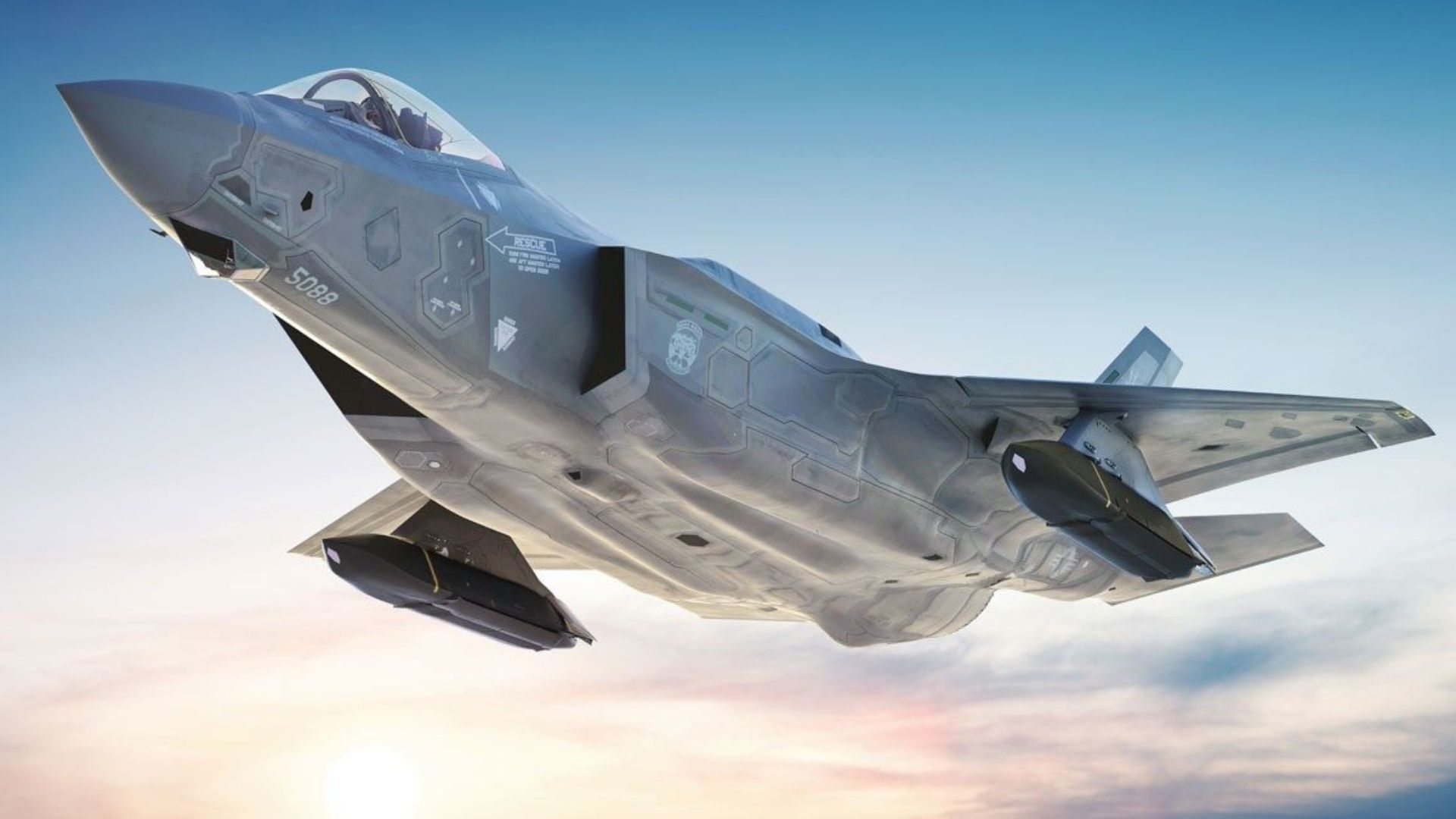
Dutch Defense Secretary stirred debate after stating that the F-35 fighter jet’s software could be “jailbroken” like a smartphone.
The comment raised questions about US control over the aircraft’s systems and what would happen if support were ever cut off.
Lockheed Martin’s F-35 fighter jet is one of the most advanced military aircraft in the world. It relies heavily on complex software systems and a US-controlled support network.
Now, the Dutch Defense Official’s remarks have brought attention to how dependent foreign operators are on American technical support.
Gijs Tuinman, the Netherlands’ State Secretary for Defense, said during a podcast that the F-35’s “computer brain” could theoretically be cracked to allow third-party software updates.
READ ALSO: https://modernmechanics24.com/post/china-long-distance-quantum-communicate/
“If, despite everything, you still want to upgrade, I’m going to say something I should never say, but I will anyway: you can jailbreak an F-35 just like an iPhone,” Tuinman said during an episode of BNR Nieuwsradio’s “Boekestijn en de Wijk” podcast.
He did not explain how such a process would work. It remains unclear whether he was speaking technically or hypothetically.
However, the statement quickly attracted attention due to the strategic and legal risks it posed.
How F-35 Software Works
The F-35 operates through a global logistics and data system originally known as the Autonomic Logistics Information System (ALIS). It is now being replaced by the Operational Data Integrated Network (ODIN).
F-35 Joint Program Office oversees the program. Through ALIS and ODIN, software updates, maintenance data, and mission planning information flow through a secure, cloud-based network.
More than providing updates, this network uploads mission data packages before flights and downloads intelligence after missions. These data sets include highly sensitive information about enemy air defenses and operational planning.
Foreign operators don’t have full control over this system. The US authorities and the manufacturer approve updates and modifications if needed.
WATCH ALSO: https://modernmechanics24.com/post/wing-expands-walmart-drone-delivery/
Who Has Special Access?
Israel is the only country to have negotiated permission to install its domestically developed software on its F-35I aircraft. It can also perform independent depot-level maintenance.
Other nations, including the Netherlands, have limited flexibility. While some software reprogramming is done for national security reasons, it still occurs under US eyes. Any attempt to bypass official channels could lead to legal action or suspension of support.
The debate comes amid broader tensions between the US and some of its allies. Policy decisions by US President Donald Trump have strained diplomatic relations, especially with Europe.
There have also been rumors in the past about a possible “kill switch” that could disable foreign-operated F-35s remotely. These claims remain unproven.
However, experts claim that even without a kill switch, cutting off spare parts and software updates would be enough to ground the jets.
READ ALSO: https://modernmechanics24.com/post/robotics-firms-build-like-robot-hands/
Tuinman, however, remained supportive of the jet. “Even if this mutual dependency doesn’t result in software updates, the F-35, in its current state, is still a better aircraft than other types of fighter jets,” he said.
The issue highlights a key concern for foreign F-35 operators. It questions sovereignty over critical defense systems. While the jet offers unmatched stealth and advanced capabilities, it ties buyers closely to the US infrastructure.
If political relations deteriorate, technical dependence would become a strategic weakness. Though no country has publicly attempted to “jailbreak” an F-35, this remark raises questions about control, cybersecurity, and national independence for the program’s future.