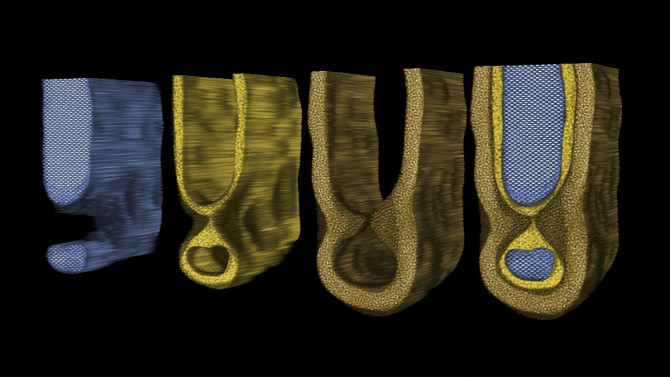
Scientists at Cornell University have used high-resolution 3D imaging to detect atomic-scale defects in computer chips for the first time. The tiny flaws, which they call “mouse bites,” can ruin chip performance and have been nearly impossible to spot until now.
The research team captured detailed images of rough spots inside transistor channels, the tiny switches at the heart of every computer chip. These defects form during manufacturing and slow down the flow of electrons.
David Muller, the Samuel B. Eckert Professor of Engineering at Cornell, led the project in collaboration with Taiwan Semiconductor Manufacturing Company (TSMC) and Advanced Semiconductor Materials (ASM). Shake Karapetyan, a doctoral student, served as lead author on the study published in Nature Communications on February 23.
READ ALSO: https://modernmechanics24.com/post/ai-xray-spectroscopy-5x-faster-accurate/
Modern transistors have channels only 15 to 18 atoms wide, so every atom matters. Until now, engineers could not see exactly where defects formed or how rough the channel walls were. This made troubleshooting next-generation chips extremely difficult.
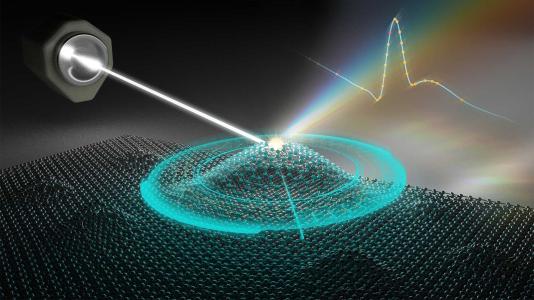
The team used a method called electron ptychography with a special detector called EMPAD, which Muller’s group co-developed. The device captures how electron beams scatter as they pass through a chip, then reconstructs images showing individual atoms with record-breaking clarity.
Chipmakers can now inspect transistors after each manufacturing step to see exactly how heat or chemicals affect the structure. This helps them fine-tune production and catch problems early, saving time and money.
The method works best during the development stage when companies need to debug new designs. It is not yet used for mass production testing, but it gives engineers a powerful new way to understand what goes wrong at the atomic level.
WATCH ALSO: https://modernmechanics24.com/post/buildroid-ai-expands-robotics-platform/
This imaging breakthrough could improve almost any device with a modern chip, from phones to data centers. It may also help build future technologies like quantum computers, which need perfect atomic structures that scientists still struggle to achieve.