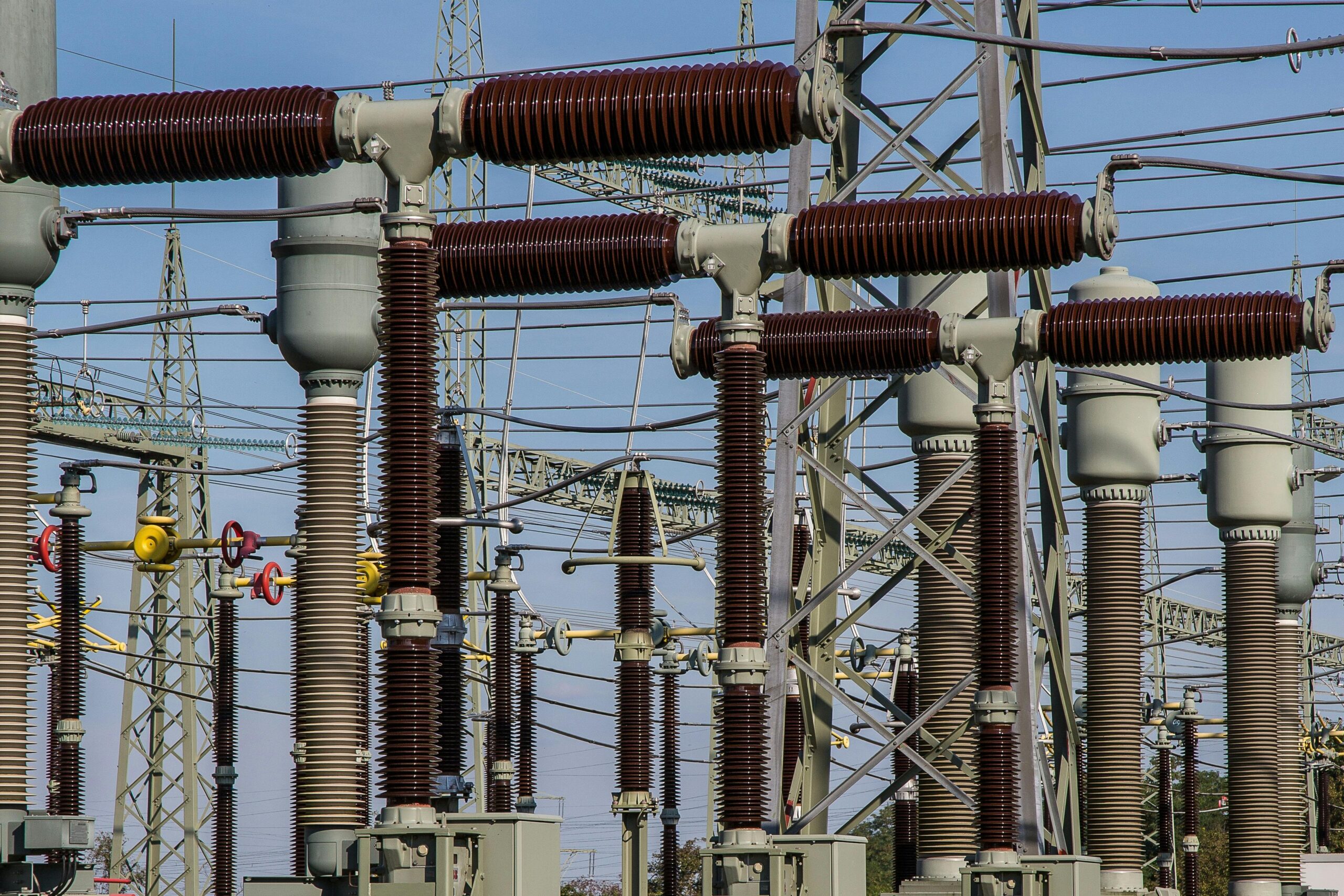
Just over a year after low wind conditions nearly triggered a catastrophic, cascading failure, Chinese engineers have unveiled the world’s most powerful smart transformer. This breakthrough, a 750 million volt-ampere direct current (DC) transformer, is designed to shield the national grid from the instability of renewable energy, preventing a repeat of the August 2023 near-blackout that exposed the grid’s vulnerability.
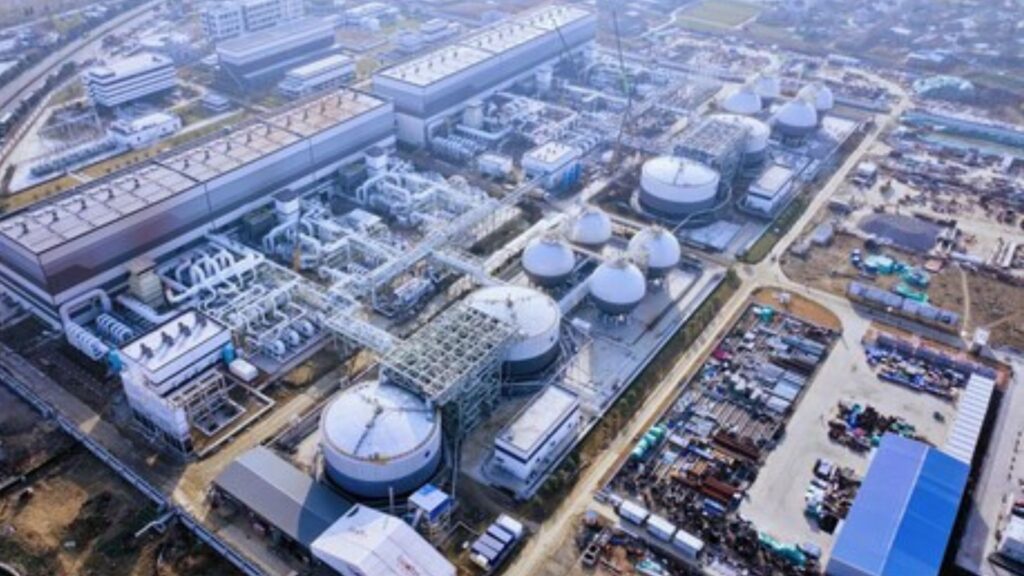
The colossal device was developed by Changzhou Xidian Transformer, a company based in Jiangsu province under the state-owned China XD Group. According to a report from Jinbaonet, the transformer has “set the world record for the highest capacity of a single converter transformer in the field of flexible direct current transmission.” This isn’t just an engineering trophy; it’s a direct response to a national crisis. The incident last year, triggered by low-frequency swings from poorly integrated wind energy in the Xinjiang Uygur autonomous region, served as a stark warning. It highlighted the urgent need for technology that could handle the unpredictable nature of renewables as China aggressively expands its clean energy footprint.
So, how does this giant piece of tech work? At its core, it’s a master of conversion and control. Modern power grids need to send electricity over enormous distances—from windy and sunny western regions to energy-hungry eastern cities. While high-voltage direct current (HVDC) transmission is the best method for this, integrating unstable sources like wind and solar is tricky. The new “flexible” DC transformer acts as a super-intelligent buffer. It smoothly converts alternating current (AC) to direct current (DC) and back again, but with unprecedented control. This allows it to absorb shocks, like sudden drops in wind power, and maintain grid stability where older technology would falter.
READ ALSO: https://modernmechanics24.com/post/china-military-drill-mexico-cuba-taiwan/
The transformer is the heart of a massive new project: a 2,370km (1,473-mile) ultra-high voltage line sending power from Gansu province to Zhejiang province. Once operational, this artery will deliver more than 36 billion kilowatt-hours (kWh) of clean electricity annually. Building a component reliable enough for this task required solving extreme engineering challenges. The team, as reported by Jinbaonet, implemented advanced techniques to control magnetic flux leakage and used fibre optics for real-time temperature monitoring. This ensures the system’s reliability under punishing conditions, with tests for lightning strikes and power switching showing performance that exceeds design specifications.
This achievement also marks a significant shift in technological leadership. In 2018, German technology conglomerate Siemens announced it had delivered the world’s most powerful HVDC transformer to China. That device was a milestone, enabling efficient power transfer across 3,300km. Today, the record and the cutting-edge “flexible” capabilities belong to Chinese innovation. The domestic breakthrough is strategically crucial, reducing reliance on foreign technology for the backbone of the national energy infrastructure.
WATCH ALSO: https://modernmechanics24.com/post/youtuber-bottles-lightning/
Ultimately, this transformer is more than a record-setter; it’s a guardian for China’s energy future. “[The technology] can effectively address the instability of high-proportion renewable energy generation at the sending end,” stated Jinbaonet, noting it dramatically improves grid safety and flexibility. As China pledges to cut climate emissions and continues its unprecedented renewable rollout, such homegrown solutions are essential. They transform the grid from a vulnerable network into a resilient, smart system capable of harnessing the clean—but chaotic—power of nature.