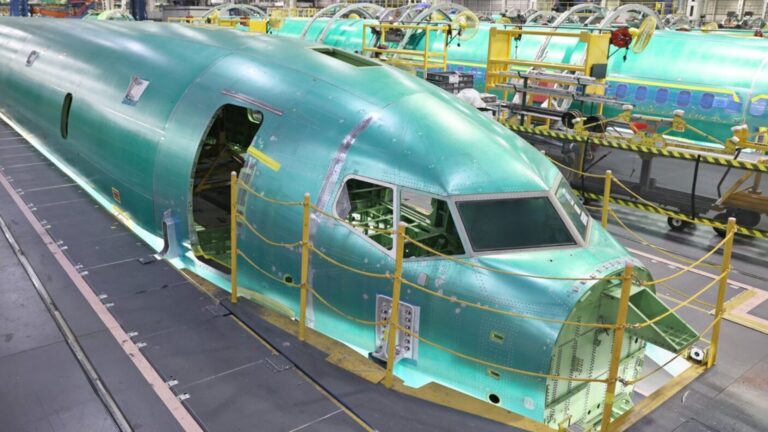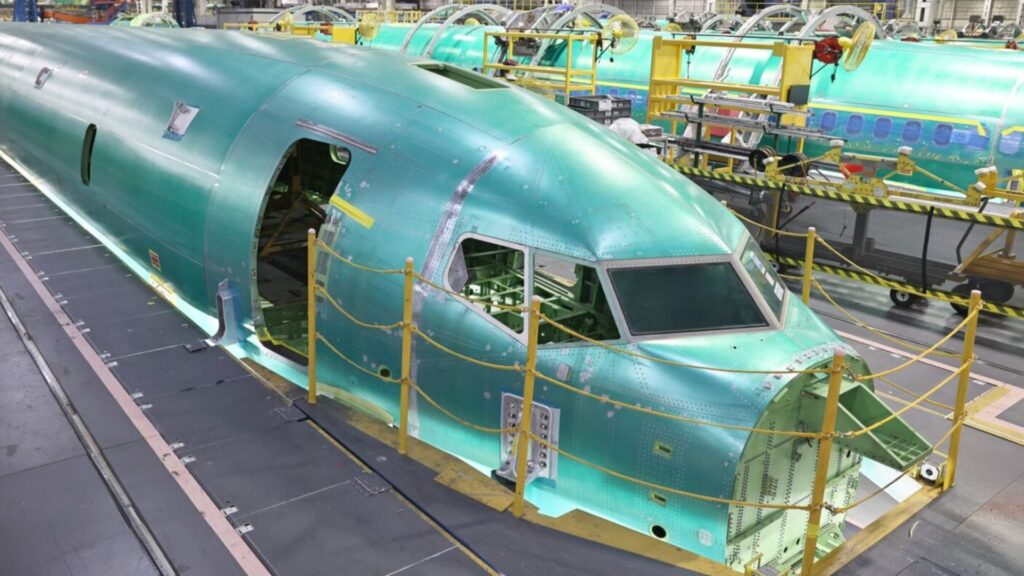
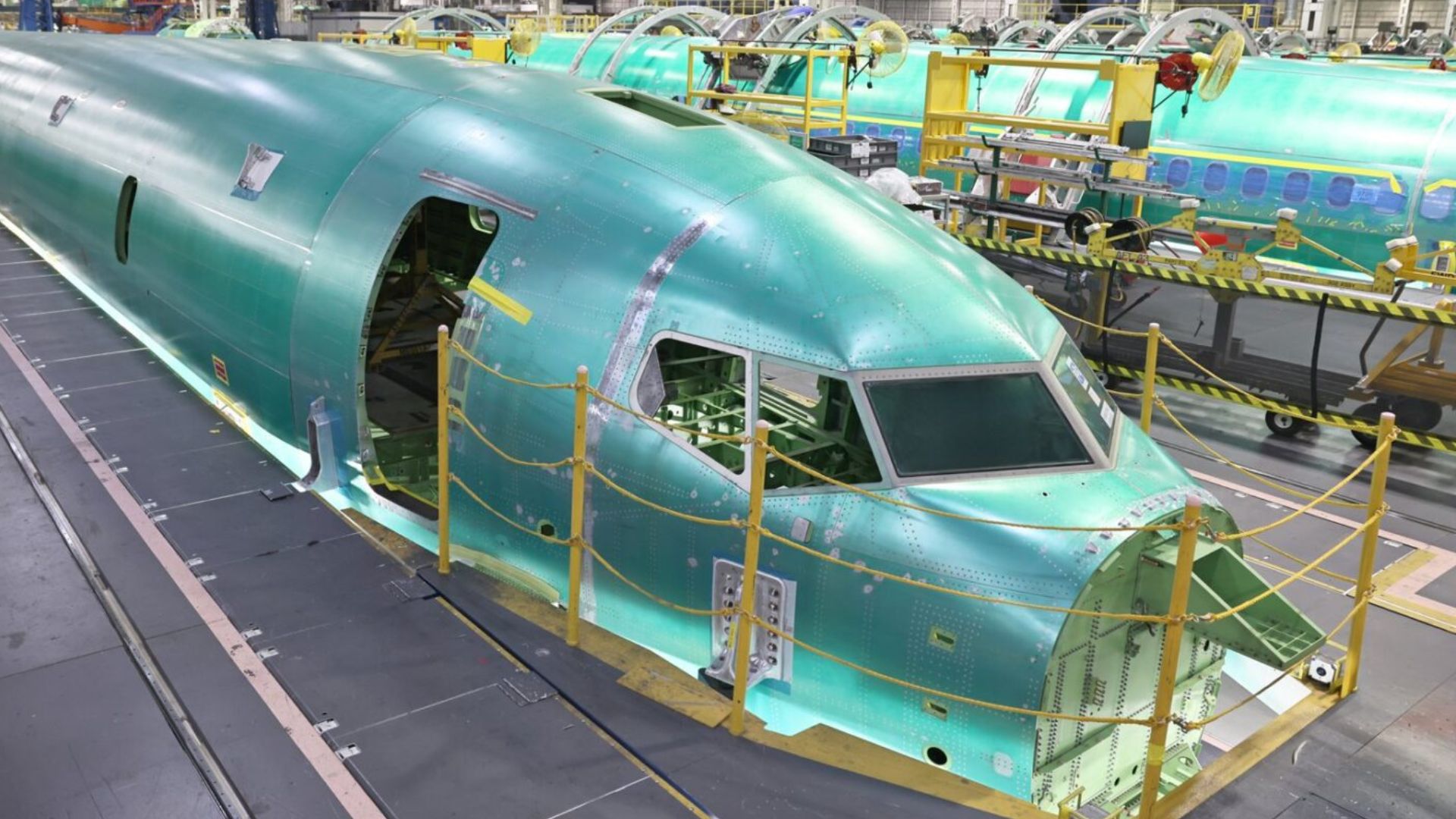
The assembly of Canada’s first CP-8A Poseidon aircraft is officially underway, marking a major step in the country’s effort to modernize its maritime patrol and anti-submarine warfare capabilities.
The Royal Canadian Air Force confirmed that fuselage integration and production activities have begun on the aircraft with serial number 9627.
The milestone signals tangible progress in Canada’s plan to replace aging maritime patrol assets with a modern, interoperable platform capable of operating across vast oceanic and Arctic regions.
Defense manufacturer Boeing Defense, Space & Security also acknowledged the production update. It emphasized that the aircraft is beginning to take physical form on the assembly line.
READ ALSO: https://modernmechanics24.com/post/f16-angry-kitten-ew-middle-east-pods/
“Canada’s first Poseidon is taking shape. We’ve begun fuselage integration on RCAF’s new CP-8A Poseidon aircraft. Canada will soon become the ninth nation to operate the P-8, joining the active fleet of more than 175 in service globally,” Boeing stated.
The CP-8A Poseidon is Canada’s designation for the widely used Boeing P-8A Poseidon. It is a long-range maritime patrol and reconnaissance aircraft designed for anti-submarine warfare, intelligence gathering, and search-and-rescue support.
The Royal Canadian Air Force selected the Poseidon as the aircraft most capable of decisively contributing to the defence of Canada and our vast maritime and arctic regions. The service highlighted the importance of interoperability, noting that eight other allied nations already operate the platform.
Canada’s geography makes maritime patrol aircraft a strategic necessity. With the world’s longest coastline and expanding activity in the Arctic, maintaining surveillance over remote waters requires long-endurance aircraft equipped with advanced detection systems.
The CP-8A will strengthen Canada’s ability to fulfill commitments under NORAD, NATO, and other allied defense frameworks. Enhanced maritime awareness and undersea surveillance are mandatory amid growing global competition in northern waters.
WATCH ALSO: https://modernmechanics24.com/post/mit-insect-scale-flying-microrobot/
Technically, the Poseidon combines a modified Boeing 737 commercial airframe with sophisticated mission systems optimized for maritime operations. The aircraft integrates powerful radar, acoustic sensors, and secure communications equipment capable of detecting submarines and tracking surface vessels across vast distances.
One of its defining capabilities is the deployment of sonobuoys, floating acoustic sensors that help crews detect and monitor underwater activity. This feature makes the platform particularly valuable in anti-submarine warfare missions, a core element of allied naval strategy.
The aircraft’s endurance allows it to conduct persistent surveillance over expansive ocean areas. In harsh Arctic conditions, long-range capability and reliability are essential for maintaining situational awareness and supporting sovereignty patrols.
Maritime patrol aircraft also play a vital role in search-and-rescue operations and intelligence collection. With the Arctic region experiencing increased shipping traffic and military activity, Canada’s ability to monitor its northern approaches is expected to become even more important.
While production advances, Canadian personnel are already preparing for the aircraft’s arrival. Members of the Royal Canadian Air Force are training alongside partner forces in the UK, US, Australia, and New Zealand. These are the countries that already operate the P-8A platform.
READ ALSO: https://modernmechanics24.com/post/hip-exoskeleton-stroke-survivor-recover/
This collaborative training approach allows Canada to benefit from established operational lessons and technical expertise. By working with experienced operators, RCAF crews can accelerate readiness and streamline integration once the CP-8A enters service.
Alignment with existing Poseidon operators simplifies logistics, maintenance, and mission planning. Shared aircraft types improve multinational coordination during joint exercises and real-world operations, particularly within NATO frameworks.
The global expansion of the Poseidon fleet reflects heightened emphasis among allied nations on maritime domain awareness and undersea security. With more than 175 aircraft already in operation worldwide, the platform has become a cornerstone of modern maritime surveillance strategies.
Aircraft capable of detecting submarine movements and monitoring critical sea lanes are viewed as essential tools in contested maritime environments. As Arctic waters become more accessible due to climate change, nations are investing in platforms that ensure continuous oversight.
For Canada, the CP-8A acquisition represents more than a fleet upgrade. It is a strategic move to safeguard sovereignty, reinforce allied partnerships, and maintain operational credibility in northern and Atlantic theaters.
WATCH ALSO: https://modernmechanics24.com/post/china-40000t-sichuan-assault-ship/
As Boeing continues fuselage integration and assembly progresses, the CP-8A Poseidon is steadily moving from concept to capability. It positions Canada to join a growing community of nations relying on advanced maritime patrol aircraft to secure their waters.