Energy

Idaho and Argonne Labs Build Griffin Software to Test Advanced Nuclear Reactors

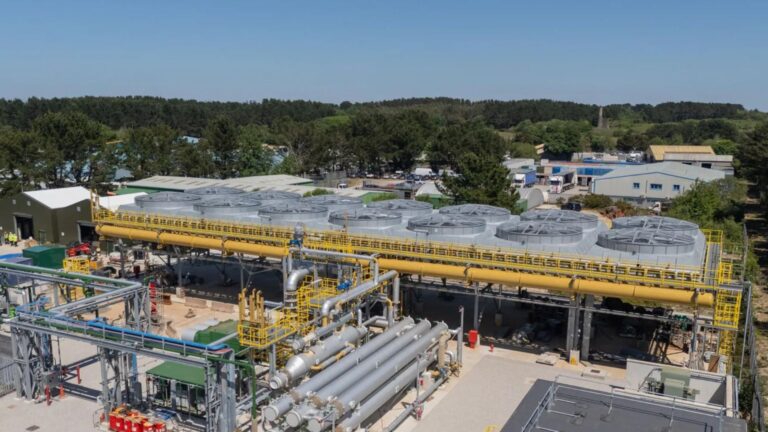
Scientists at Idaho National Laboratory and Argonne National Laboratory built Griffin, a software tool that simulates nuclear reactors in a computer. The 2025 R&D 100 Award winning software helps engineers test reactor safety and performance without expensive physical prototypes. It also supports NASA projects for nuclear-powered space exploration.

Read More...

US Argonne Lab Develops Microscale Technique for Safer Nuclear Fuel

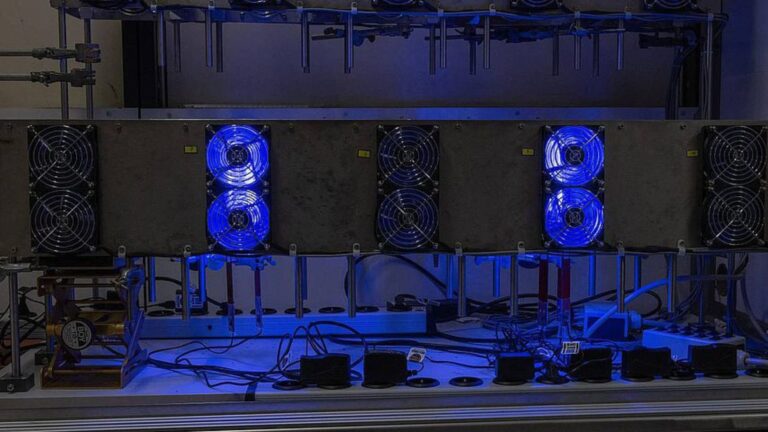
Argonne National Laboratory researchers have developed a new microscale technique to measure thermal conductivity in nuclear fuel. The suspended bridge method uses tiny samples to accurately track how radiation damage affects heat transfer. This helps predict fuel behavior, improve reactor safety, and support the design of next-generation nuclear systems.

Read More...

Wisconsin Governor Visits UW–Madison Nuclear Reactor to Explore Energy Future

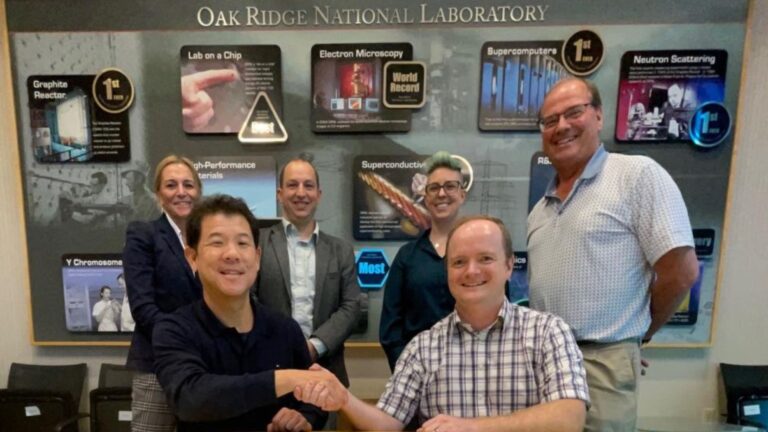
Wisconsin Governor Tony Evers toured the University of Wisconsin–Madison nuclear reactor to see fission and fusion research firsthand. The visit followed a state partnership with the university’s nuclear engineering department to study nuclear energy opportunities. UW–Madison has operated its reactor since 1961 and has spun out three fusion companies from campus research.

Read More...
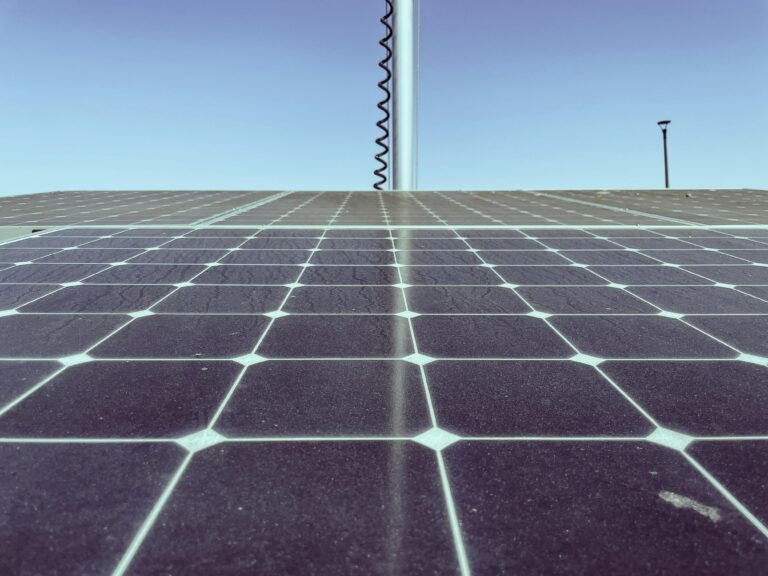
HKUST perovskite solar cell research using multi-source co-evaporation vacuum deposition method

Hong Kong’s HKUST Develops Solvent-Free Method for Better Solar Cells

Hong Kong’s HKUST has achieved a certified breakthrough in solvent-free perovskite solar cells. The new vacuum deposition method creates highly ordered crystal structures that resist degradation, achieving 18.35% efficiency and opening a clear path to scalable production using existing industrial equipment.

Read More...

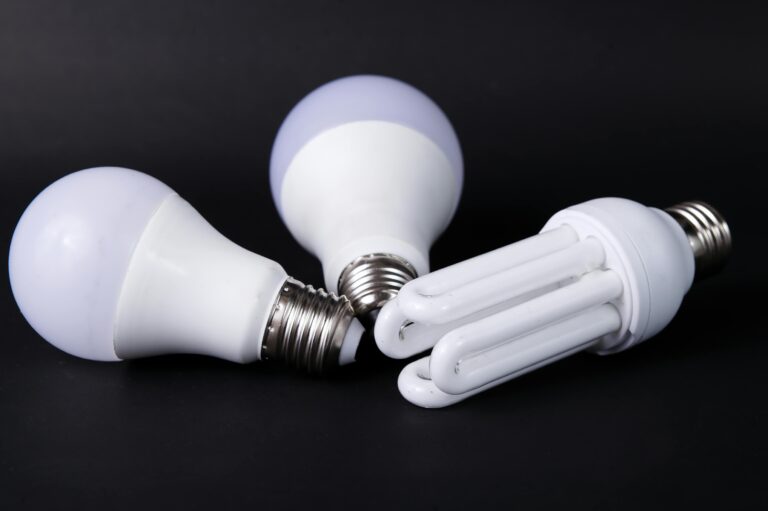
Polish inventor builds candle-powered generator that lights LED bulbs

Polish inventor Maciej Nowak has built a small generator that turns heat from a single tea candle into electricity to power two LED bulbs. The device uses a thermoelectric chip that generates voltage when one side is hot and the other stays cool. While the system produces only about 1 watt-hour of power, it demonstrates how waste heat can be captured and converted into useful light. The LEDs produce a brighter, whiter light than the candle flame alone.

Read More...

Engineers worldwide tackle solid-state battery challenges for safer EVs

Solid-state batteries promise safer, more powerful electric vehicles by replacing flammable liquid electrolytes with solid materials. However, engineers must overcome major challenges including high lithium costs, damaging dendrite growth that causes short circuits, expensive production methods, and difficult thermal management. Automakers worldwide are racing to solve these problems as solid-state technology inches closer to real-world production. Success would mean longer range, faster charging, and safer EVs for everyday drivers.

Read More...

Support Our Journalism

Modern Mechanics 24 is independent. If you value our reporting, a contribution of any amount helps us keep going.

Secure payment by Razorpay. This is a voluntary contribution: it doesn't include a membership or access to premium articles.