Pratt & Whitney Canada, an aerospace business owned by RTX, has introduced its new PT9 turboprop engine after receiving certification from Transport Canada. The engine offers 33% more power at altitude and 20% lower fuel consumption compared with previous-generation engines, according to the company. It is designed for next-generation aircraft and could support future hybrid-electric aviation systems.
The PT9 was unveiled on October 21, 2026, in Las Vegas. Its certification marks a key step toward production and future use in aircraft that need a combination of power, fuel efficiency, and flexible performance.
Engine completed more than 14,000 hours of development work
According to Pratt & Whitney Canada, the engine completed more than 14,000 hours of development work before certification. The company describes it as a new-generation turboprop designed to meet changing needs in commercial and other aviation markets.
Pratt & Whitney Canada, part of aerospace and defense group RTX, developed the PT9. The company has decades of experience designing, manufacturing, and supporting aircraft engines for civil, commercial, and military aviation.
Satheeshkumar Kumarasingam, president of Pratt & Whitney Canada, said the PT9 was designed to improve performance and efficiency while allowing future technology upgrades. The company plans to manufacture the engine in Lethbridge, Alberta, Canada.
Aircraft operators need engines that deliver enough power
Aircraft operators need engines that deliver enough power while keeping fuel use and operating costs under control. Better performance at altitude can also be valuable for aircraft operating in demanding conditions or carrying heavy loads.
Pratt & Whitney Canada says the PT9’s higher power and lower fuel consumption could help meet these needs. However, the reported improvements are company figures measured against previous-generation engines, and actual results will depend on the aircraft and how it is operated.
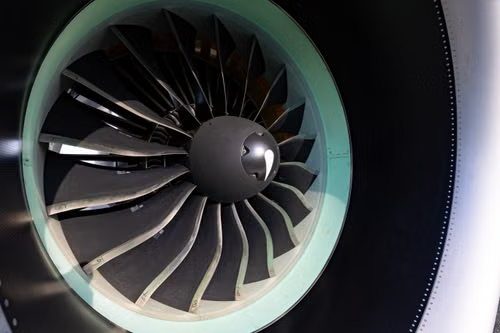
A turboprop engine uses a gas turbine to drive a propeller, combining turbine power with the efficient thrust produced by a propeller. This type of engine is commonly used on aircraft designed for regional travel and specialized missions.
The PT9 uses a modular design, meaning its major sections are built as separate units that can support maintenance and future upgrades. The company says the engine combines turboprop efficiency with performance features associated with jet propulsion and includes advanced digital capabilities.
Pratt & Whitney Canada says the PT9’s design can be adapted for different aircraft types. Its modular architecture is also intended to support future technologies, including hybrid thermal-electric power systems that combine conventional engine power with electric propulsion.
This flexibility could make the engine useful as aircraft manufacturers explore new ways to reduce fuel use. However, the announcement does not identify a specific aircraft that will enter service with the PT9 or provide a timeline for hybrid-electric versions.
Transport Canada’s certification confirms that the PT9 has passed the required certification process described in the announcement. The next steps include production and integration into suitable aircraft programs.
Pratt & Whitney Canada has not announced a specific customer, aircraft model, or entry-into-service date for the PT9 in the supplied release. Its real-world fuel savings and performance will become clearer as the engine is installed and tested in operational aircraft.
The PT9 adds a new option to the turboprop engine market, with a focus on power, fuel efficiency, and adaptability. If its stated performance gains are achieved in service, it could help aircraft operators reduce fuel use while meeting demanding flight requirements.
The engine’s modular design also points to a longer-term goal: making it easier to introduce new technologies as aviation develops. For now, certification is an important milestone, while commercial adoption and the benefits of future hybrid-electric applications remain to be demonstrated.