

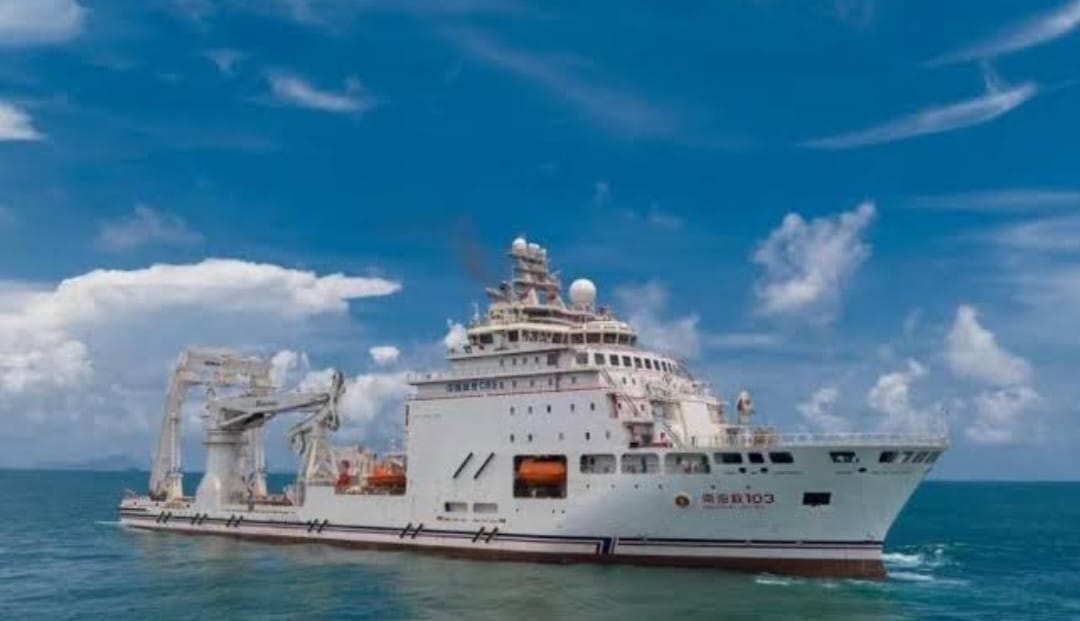
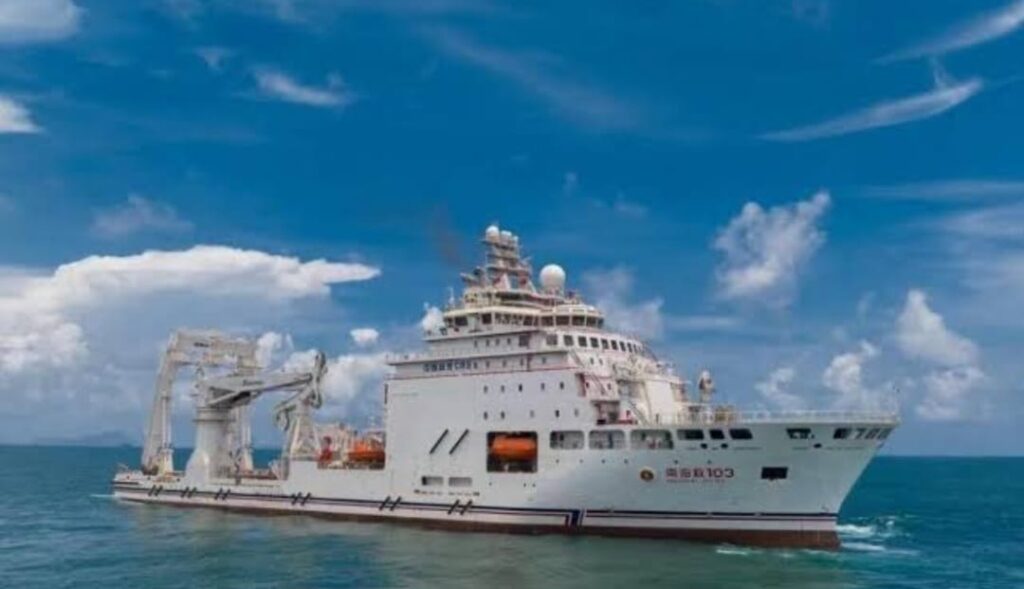
China has commissioned a new medium-sized marine rescue vessel designed specifically for the conditions found in its northern waters.
The Beihai Jiu 151, a 4,000-kilowatt ship built entirely with domestically produced core equipment, officially joined the Ministry of Transport’s Beihai Rescue Bureau fleet on September 21.
The vessel is intended to strengthen search-and-rescue coverage across coastal and nearshore areas, including waters affected by ice and difficult weather.
The Beihai Jiu 151 was designed by the Shanghai Merchant Ship Design & Research Institute under China State Shipbuilding Corporation and built by CSSC Huangpu Wenchong Shipbuilding Company.
It was launched on April 9 and was delivered by the shipyard on August 28 before entering operational service. The vessel is described as the first medium-sized marine rescue ship specifically developed for China’s northern maritime region.
READ ALSO: https://modernmechanics24.com/post/first-embodied-ai-theme-park-robots/
The ship measures 69.5 meters in length and 14.6 meters across, with a designed draft of 4.4 meters. Its relatively shallow draft allows it to operate in coastal channels, island waterways and nearshore areas where larger rescue ships may face access limits. It can accommodate as many as 100 rescued people during emergency operations.
The design draws on the earlier Donghai Jiu 151 rescue vessel but adds features aimed at newer maritime rescue requirements. Its operating role covers lifesaving and vessel rescue in shallow waters, around islands and reefs, as well as missions in rough sea conditions. The vessel was also adapted for operations where winter ice presents an additional challenge.
Ice Strength Meets Versatility
One of the ship’s main features is its B2 Ice Class strengthening standard, which allows it to operate in moderate ice conditions in Bohai Bay. Ice strengthening gives a vessel additional structural protection when it encounters floating or partially formed sea ice. This gives the Beihai Jiu 151 a role in northern waters where seasonal ice can complicate emergency response.
The ship is designed as a multi-purpose rescue platform rather than for a single type of emergency. Its duties include lifesaving, vessel rescue, firefighting and oil-spill response. It can also perform towing and support underwater rescue operations.
Another important capability is its three-point anchoring system. This allows the vessel to hold a stable position during activities such as diving operations, where maintaining a controlled position can be important for the safety of rescue teams. The ship also carries a new unmanned rescue boat for tasks including diving training and search-and-rescue operations along designated routes.
The unmanned boat gives rescue teams an additional option when searching areas that are difficult or inefficient to cover directly with the main vessel. It can operate as part of planned search activities while the larger ship remains available as the main rescue platform. This combination adds flexibility to missions near coastlines, islands and other confined waters.
Domestic Systems And Equipment
China says the core equipment aboard the Beihai Jiu 151 is domestically manufactured. This includes its generators, propulsion systems, thrusters and towing winches. The ship’s construction therefore brings together locally developed equipment with a design tailored to the operating conditions of northern Chinese waters.
The vessel uses a 4,000-kilowatt power system and is designed around the operational requirements of maritime emergency response. Its propulsion and positioning equipment support controlled movement and station keeping during rescue work. These functions are particularly useful when crews need to work close to damaged vessels or conduct specialized operations at sea.
The ship’s development also fits into a wider effort to expand the range of vessels available to China’s maritime rescue authorities. A modern rescue network needs different ship sizes because emergencies can occur in deep water, coastal areas, ports, island channels and shallow waters. A medium-sized vessel can fill an operational space between larger offshore rescue ships and smaller response craft.
WATCH ALSO: https://modernmechanics24.com/post/anduril-air-defense-northern-strike/
Expanding China’s Rescue Network
The commissioning of the Beihai Jiu 151 adds a new medium-sized rescue asset to northern China’s maritime emergency system. Its shallow-water capability is intended to help address areas where larger vessels may have limited access. Its ice-strengthened structure also gives the northern rescue fleet a vessel designed for seasonal conditions in the region.
The ship is part of a broader series of 4,000-kilowatt medium-sized rescue vessels being introduced into China’s maritime rescue system.
Another vessel in the series, the Nanhai Jiu 151, was delivered to the Ministry of Transport’s Nanhai Rescue Bureau on May 28 and assigned to emergency duties in southern waters. Ship classification records also list the Nanhai Jiu 151 as a Chinese rescue and firefighting vessel.
The Beihai Jiu 151 provides a different regional capability because its design was adapted for northern operating conditions. The shipyard has described it as the first northern-type 4,000-kilowatt medium ocean rescue vessel and said its addition helps expand the mix of large, medium and small rescue assets available to the transport rescue system.
For international maritime operations, the development reflects the importance of having rescue ships that can work across different environments rather than relying on one standard vessel design.
Coastal emergencies often involve restricted waterways, damaged ships, fires, pollution, severe weather or people requiring immediate evacuation. A ship combining rescue, towing, firefighting, diving support and unmanned search functions can address several of these requirements from one platform.
With its entry into service, the Beihai Jiu 151 moves from development and testing into active maritime emergency operations. Its ice-strengthened hull, shallow draft, 4,000-kilowatt power system, three-point anchoring capability and unmanned rescue boat give it a specific role within China’s northern rescue fleet.
The vessel is now positioned to support lifesaving and emergency response across northern waters as China continues to expand its maritime search-and-rescue network.








One Response