

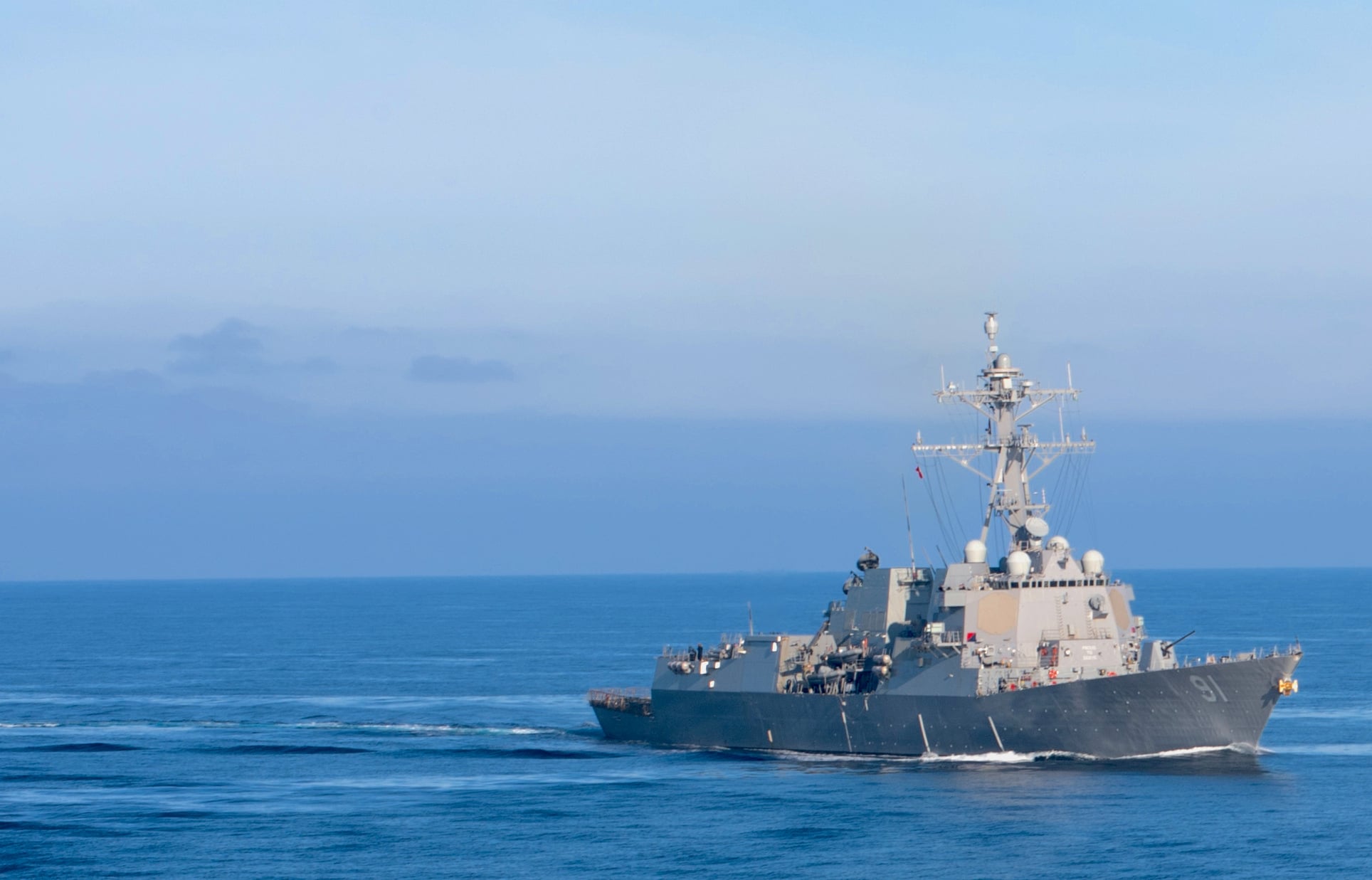
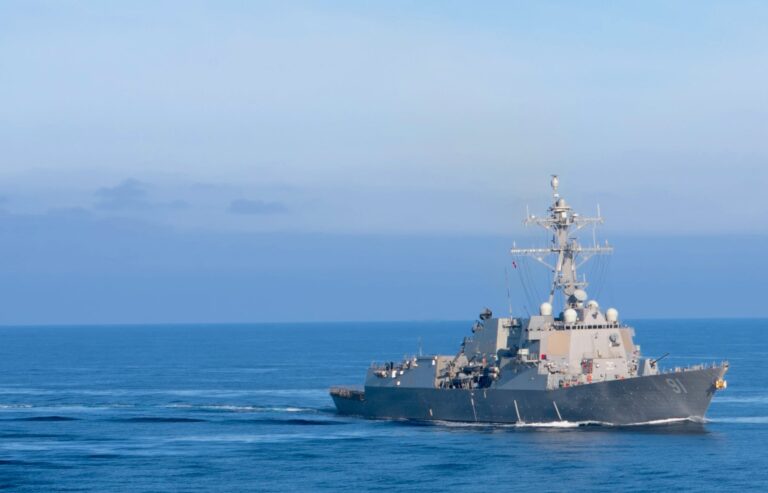
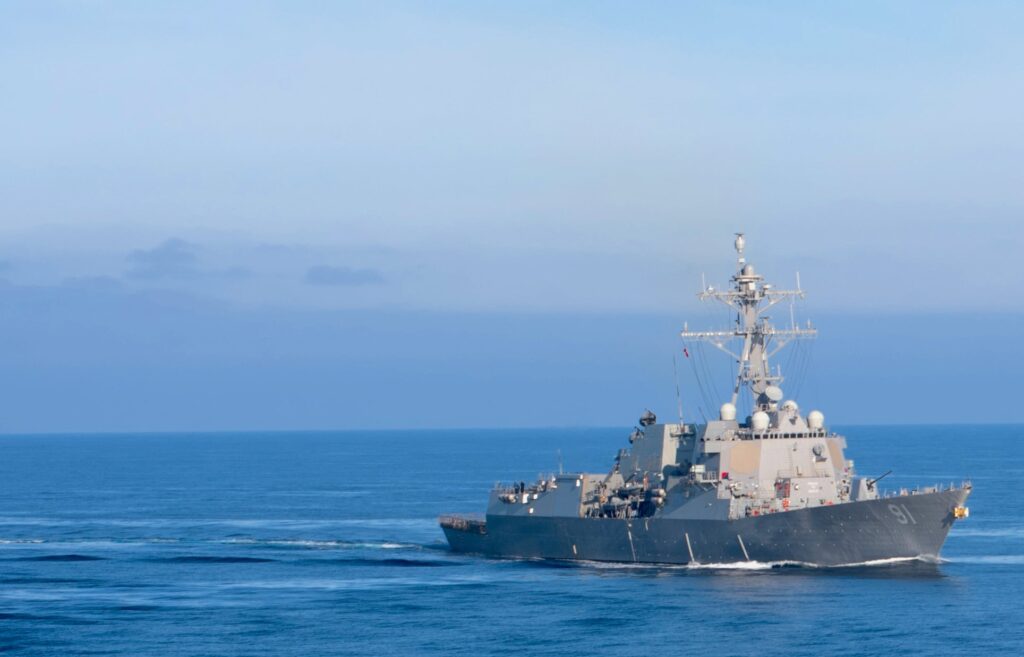
The US Navy has awarded General Dynamics NASSCO a $149.6 million contract to begin the second major modernization of the destroyer USS Pinckney, adding a new radar and upgraded combat systems to the 22-year-old warship.
The Chief of Naval Operations Availability began in San Diego on September 5, less than a month after the Arleigh Burke-class destroyer returned from a 257-day deployment. Work is scheduled to continue through September 2028.
The fixed-price incentive-fee contract covers labor, equipment, facilities, repairs, testing, quality assurance and modernization work at NASSCO San Diego. Contract options could raise the total value to about $149.9 million. The Navy is providing $135.8 million from FY2026 Other Procurement funds, while $13.8 million comes from other appropriations.
READ ALSO: https://modernmechanics24.com/post/china-largest-salt-cavern-power-bank/
USS Pinckney Gets SPY-6 Radar
The main equipment change will be Raytheon’s AN/SPY-6(V)4 radar, which will replace the ship’s existing AN/SPY-1D(V).
The radar forms part of an upgrade to the destroyer’s Aegis combat system and is designed to improve its ability to detect and track airborne and surface targets. Installation is planned for 2027 within the current shipyard period.
The SPY-6(V)4 configuration will use 96 Radar Modular Assemblies (RMAs). Twenty-four modules will be installed on each of the destroyer’s four fixed radar faces, with each module measuring 2 feet by 2 feet. The configuration is smaller than the SPY-6 system installed on Flight III Arleigh Burke-class destroyers.
Flight III ships use 37 RMAs on each radar face, giving them 148 modules in total. The USS Pinckney will therefore receive 52 fewer modules than a Flight III destroyer. The smaller radar configuration is intended to fit within the existing Flight IIA design without requiring the extensive power-generation changes built into the newer Flight III ships.
Raytheon had started manufacturing the radar modules for Pinckney by January 2024. The US Navy’s current schedule places installation during the ship’s 2026-2028 modernization period.
US Navy Uses Two-Stage Upgrade
The new contract follows Pinckney’s first DDG MOD 2.0 modernization at NASSCO. That project ran from November 2021 until the ship began sea trials in November 2023 and carried a contract value of about $121 million. The two NASSCO awards together total about $270.6 million.
The first phase centered on the AN/SLQ-32(V)7 Surface Electronic Warfare Improvement Program Block III (SEWIP) Block III. The system gives the destroyer updated equipment for detecting and responding to electronic threats. Its installation required large two-deck-high sponsons on both sides of the ship’s superstructure.
NASSCO also carried out hull, mechanical, engineering and combat-system work during the first modernization. Additional cooling equipment was installed to support the new electronic warfare system and the radar planned for the second phase. The ship retained its existing propulsion and basic electrical-generation architecture.
After completing sea trials, Pinckney became the first US Navy destroyer to deploy with SEWIP Block III. The Navy then used the ship in fleet operations before bringing it back for the next modernization stage.
The approach is part of a two-stage model being applied to selected Flight IIA destroyers. Ships receive electronic warfare upgrades first, return to operational service, and then undergo further work involving SPY-6 radar and Aegis modernization.
WATCH ALSO: https://modernmechanics24.com/post/china-disputed-south-china-sea-patrols/
Destroyer Returns From Deployment
Pinckney returned to San Diego on August 9 after deploying on Nov. 25, 2025. During the deployment, the ship traveled more than 48,000 nautical miles across US 3rd, 7th and 5th Fleet operating areas and completed 24 replenishments at sea.
The destroyer also recorded 534 flight hours with Helicopter Maritime Strike Squadron 37. Following a forward repair and maintenance exercise in Singapore, the ship operated in the Middle East before moving to the Philippine Sea.
Pinckney and HSM-37 conducted maritime interdictions involving 11 commercial vessels. The ship remained in the Middle East until June 22 and later operated in the Philippine Sea through at least July 13 before returning to California.
The ship is part of a four-destroyer DDG MOD 2.0 learning group. The group includes USS Chung-Hoon, USS James E. Williams and USS Halsey. By June 26, Chung-Hoon and James E. Williams had completed combat-system sea trials, calibration and shakedown after receiving SEWIP Block III, while Halsey remained under modernization.
$17 Billion Destroyer Program
The Pinckney work forms part of a broader US Navy plan to modernize about 20 Flight IIA Arleigh Burke-class destroyers. The overall program has been estimated at roughly $17 billion, although that amount includes equipment, engineering, testing, government-furnished material and other costs beyond individual shipyard contracts.
An even division would put the broader program at about $850 million per destroyer. Pinckney’s two NASSCO contracts total $270.6 million, or about 31.8% of that arithmetic figure, but the comparison does not represent the full modernization cost because major systems such as radar and other equipment are separately funded.
The US Navy is using the program to add newer sensors, electronic warfare systems and combat-system capabilities to existing ships. Flight IIA destroyers form a large part of the Navy’s current surface fleet, making the ability to modernize them without major changes to propulsion and power systems an important consideration.
The Pinckney program also comes after the Navy spent nearly $4 billion modernizing seven Ticonderoga-class cruisers. That effort averaged about $571 million per cruiser and did not deliver the planned service-life extension.
READ ALSO: https://modernmechanics24.com/wp-admin/post.php?post=29428&action=edit
Pinckney’s current availability is scheduled to last about 24 months, similar to its first modernization period. The September 2028 completion date will provide a benchmark for the Navy as it assesses the time needed to install SPY-6(V)4 radar, integrate updated Aegis equipment and complete supporting ship alterations.
For the USS Pinckney, the next two years will focus on fitting modern radar and combat-system technology into a hull commissioned in 2004. Its progress will give the US Navy further data on the cost, schedule and technical demands of upgrading Flight IIA destroyers while preserving their existing propulsion and electrical infrastructure.











One Response