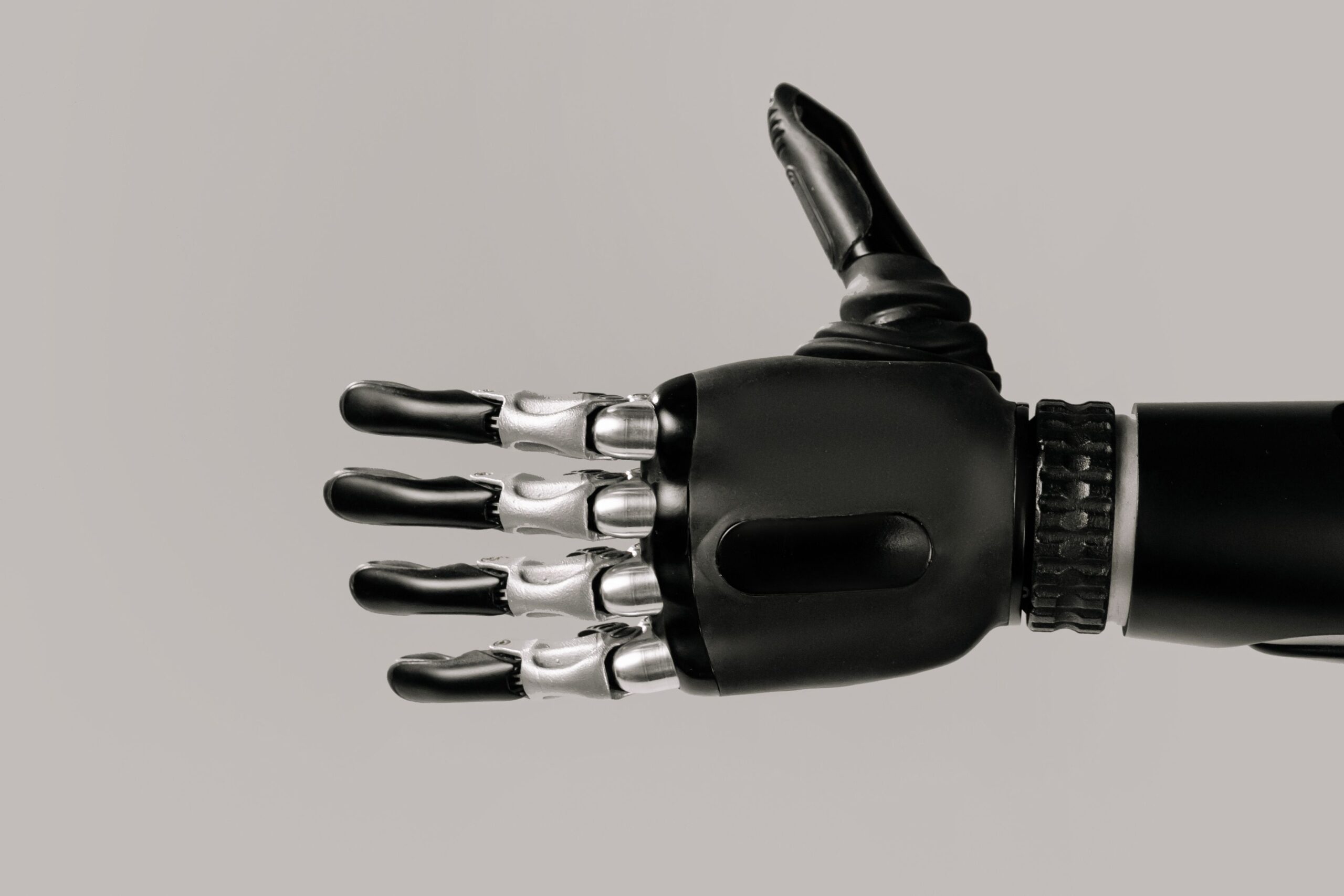
Foundation has shown a new version of its Robotic Hand V2 catching a baseball in mid-air. The hand closes around the ball smoothly and holds it securely. The demonstration highlights improvements in robot hand control and object handling for future humanoid robots.
Foundation developed the new robotic hand under the leadership of Andrea Esposito, Head of Foundation’s Hand Division. According to The Geeky Gadgets, the team spent months refining the design to create thinner, lighter fingers while moving the motors into the forearm. This makes the hand more compact and closer to the structure of a human hand.
The project aims to improve how robots handle everyday objects. Many robotic hands struggle with delicate or fast-moving items because they have limited finger movement. The foundation’s new design is built to give robots better control when picking up tools, small parts, or other objects in changing environments.
READ ALSO: https://modernmechanics24.com/post/china-nuclear-research-frontier/
The hand uses a tendon-driven system, where thin cables connect motors in the forearm to each finger joint. Special software estimates the position of every finger by tracking motor movement and tendon geometry. The system also includes tunnel magnetoresistance (TMR) sensors, which measure joint angles with high accuracy and act as a backup if needed.
This design helps the robotic hand react quickly while keeping its movements smooth. During the baseball demonstration, the fingers closed fast enough to catch the ball without dropping it. The same technology could help future humanoid robots perform tasks in factories, warehouses, and other workplaces where careful object handling is important.
The technology is still under development. The current system mainly relies on planned movements, and Foundation says future versions will add tactile, or touch, feedback. That would allow the hand to better adjust its grip based on what it is holding.
WATCH ALSO: https://modernmechanics24.com/post/china-military-modern-exercise/
The Robotic Hand V2 shows how robotic hands are becoming more capable of handling real-world tasks. As sensing, software, and mechanical design continue to improve, robots could perform more complex jobs that require human-like dexterity and precision.