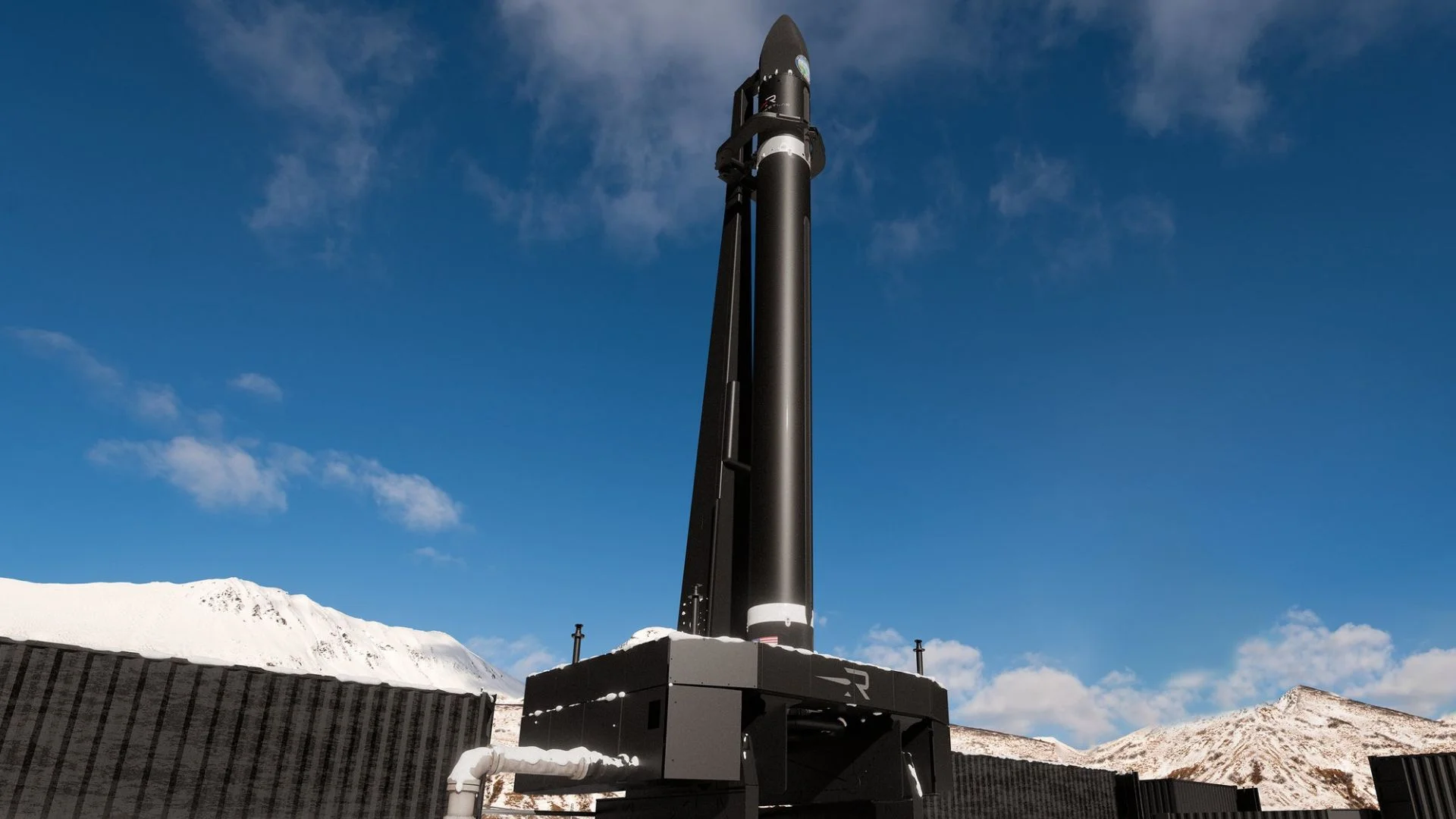
Rocket Lab has secured its largest launch contract to date from the US Space Force for up to 18 suborbital missile defence missions.
The agreement is valued at $266 million. Most of the launches will take place from the Pacific Spaceport Complex in Kodiak, Alaska. The first mission under the contract is expected to launch no earlier than the end of 2026.
The contract was awarded through the US Space Force Space Systems Command’s Rocket Systems Launch Program. It includes 12 confirmed suborbital launches with an option for six additional missions. The programme aims to support national security testing and strengthen missile defence capabilities through frequent launch opportunities.
Rocket Lab said the launches will mainly operate from a new company location at the Pacific Spaceport Complex-Alaska. The Alaska site will complement the company’s existing launch facilities in New Zealand and Virginia. Expanding to another launch location is expected to improve scheduling flexibility and mission availability.
Rocket Lab founder and CEO Sir Peter Beck said the agreement reflects the Space Force’s confidence in the company’s launch capabilities.
He stated that rapid launch frequency and consistent execution are essential for advancing America’s missile defence programmes. Beck added that Rocket Lab is prepared to deliver the launch capacity needed for urgent national security requirements.
READ ALSO: New Sand Damper Design Makes Skyscrapers Safer While Cutting Costs and Maintenance Needs
Space Force Reveals Little
The missions are expected to use Rocket Lab’s HASTE launch vehicle. HASTE is a suborbital version of the company’s Electron rocket that is designed specifically for testing advanced defence technologies. Instead of placing satellites into orbit, it carries payloads on high-speed flights that allow engineers to evaluate missile defence and hypersonic systems in realistic conditions.
Suborbital launches differ from orbital missions because they do not complete a full orbit around Earth. They reach high altitudes before returning to the planet. This makes them well suited for testing equipment while reducing mission complexity and cost.
Although officials have not confirmed the exact purpose of every mission, the launches may support the US’s wider Golden Dome missile defence initiative. The company and the Space Force have not released additional details about the specific payloads or testing objectives. More information is expected as the launch schedule develops.
Alaska Launch Expansion
The Pacific Spaceport Complex on Kodiak Island has supported nearly three dozen launches since opening in 1998. Most of those missions have been suborbital flights for the US military. In recent years, the facility has also hosted orbital launches for private space companies, making it an increasingly important commercial and defence launch site.
Rocket Lab currently operates Launch Complex 1 on New Zealand’s Māhia Peninsula and Launch Complexes 2 and 3 in Virginia. Until now, all HASTE missions have launched from Virginia. Adding Alaska provides another strategic location that can support defence missions requiring different flight paths and operational flexibility.
HASTE first flew in June 2023 and has completed nine missions so far. Rocket Lab’s Electron rocket entered service in May 2017 and has flown 82 missions to date. The company has steadily expanded beyond commercial satellite launches into defense, research, and government programs.
READ ALSO: Samsung, Broadcom Deepen AI Chip Partnership With $200 Billion Semiconductor Expansion
Strategic Defence Impact
The contract highlights the growing role of commercial launch providers in supporting military space operations. Governments are relying on private companies to deliver faster and more frequent launches for testing and national security missions. This approach helps speed up technology development while reducing dependence on traditional government-owned launch systems.
For Rocket Lab, the agreement strengthens its position in the defence launch market and broadens its operational footprint. It also demonstrates increasing demand for flexible launch services that support advanced missile defence programmes. However, with preparations moving towards the first launch in late 2026, the partnership is expected to play an important role in the future of US defence space operations.