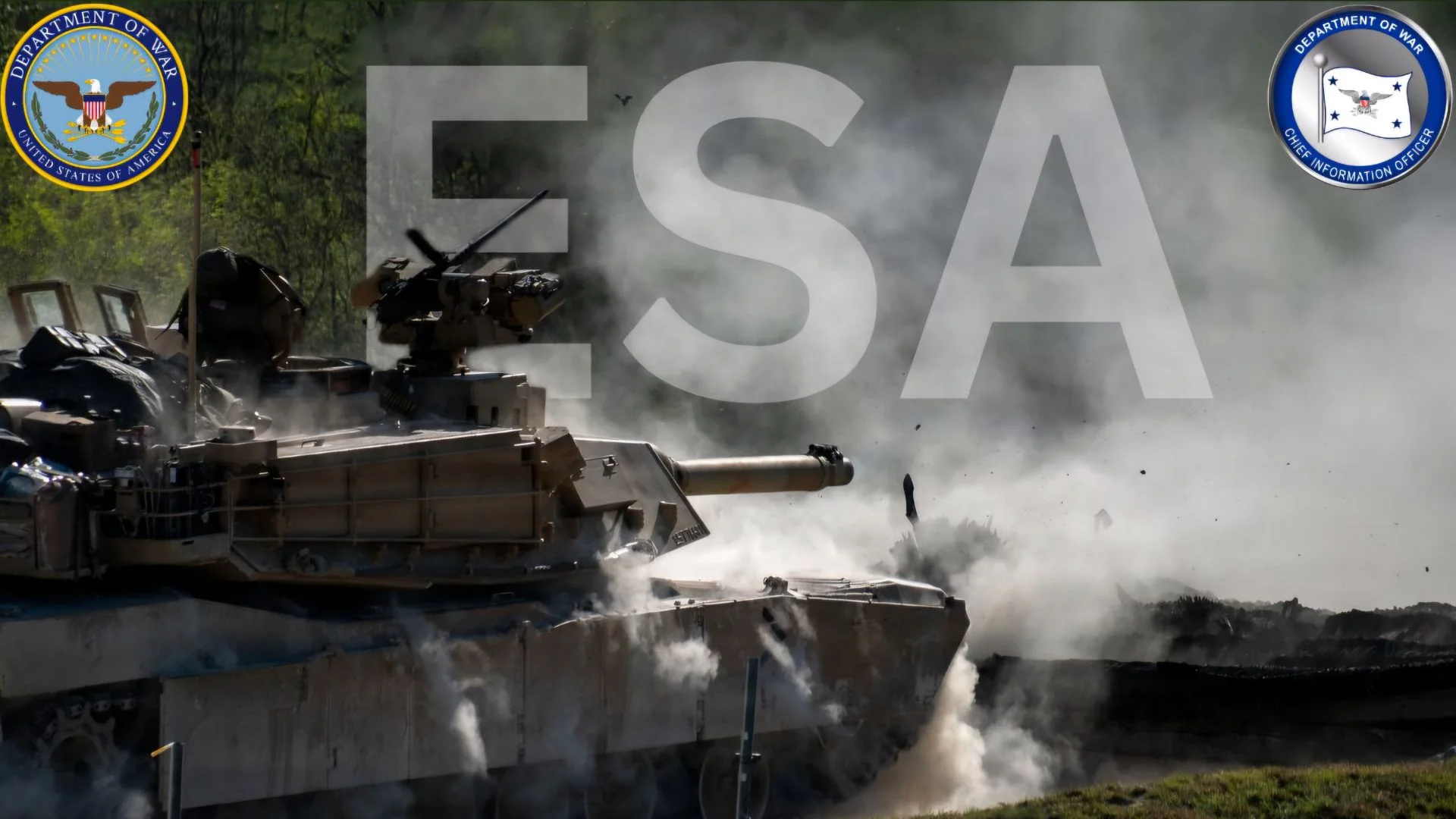
The US Department of War (DoW) has awarded Oracle a nearly $7 billion Enterprise Software Agreement (ESA) that will reshape how the department purchases and manages its on-premises software.
The agreement marks the first direct department-wide contract with Oracle for on-premises software licensing. Officials expect the move to streamline procurement, improve oversight of software use, and reduce unnecessary spending across defense organizations.
The contract has a five-year base period with an option to extend it for another five years. It supports the entire Department of War, along with the US Coast Guard and the Intelligence Community. By replacing separate purchasing arrangements with one enterprise-wide contract, the department aims to create a more efficient software procurement system.
Oracle Deal Cuts Costs
For years, different defense organizations purchased Oracle software independently. This fragmented approach often resulted in overlapping licenses, inconsistent management, and higher costs. The new agreement brings those purchases together under a single contract, making software management simpler and more transparent.
READ ALSO: US Navy’s New Biomanufacturing Tech Could Change How Military Materials Are Made
The department said the consolidated approach is projected to save at least $441 million over the life of the agreement. Officials believe better visibility into software usage will help identify unused licenses and reduce duplicate purchases. The savings are also expected to improve technology budget planning across participating agencies.
Enterprise software agreements allow large organizations to buy software through one centralized contract instead of negotiating multiple smaller deals. This approach typically lowers administrative work while improving consistency in software deployment. It also makes it easier to monitor spending and ensure organizations use software efficiently.
Modernization And Security
Kirsten A. Davies, Chief Information Officer for the Department of War, said the agreement improves the way the department acquires on-premises Oracle technology.
She said the contract is expected to generate at least $441 million in taxpayer savings while supporting military personnel with secure and scalable digital tools. Davies added that the agreement strengthens the department’s technology ecosystem for both current and future missions.
Barry Tanner, performing the duties of the Department of the Navy Chief Information Officer, said the agreement will help deliver secure software more quickly from shore-based operations to deployed Navy and Marine Corps units.
He said reducing fragmented procurement and standardizing software will improve interoperability between systems. Tanner also noted that the approach will lower cybersecurity risks while allowing resources to focus on resilient technologies.
Modern defense operations depend heavily on secure software to manage logistics, communications, planning, and operational data. Standardizing software platforms can simplify updates, improve compatibility between systems, and strengthen cyber defenses. These improvements become increasingly important as military organizations expand their digital infrastructure.
READ ALSO: Gene.01 Humanoid Robot Brings Full-Body Touch Sensing to Industrial AI Applications
Broader Defense Impact
The agreement supports the Department of War’s broader effort to modernize its information technology systems while improving financial efficiency. Centralized procurement also creates a more predictable process for managing software licenses across multiple agencies. This reduces complexity and gives decision-makers a clearer view of technology investments.
The inclusion of the Coast Guard and the Intelligence Community extends the benefits beyond the core defense department. Shared software standards can improve coordination between organizations that regularly exchange information during joint operations. A unified procurement model also helps ensure consistent access to essential technology across participating agencies.
As the agreement moves into implementation, the department will focus on consolidating existing software licenses and improving enterprise-wide technology management. Officials expect the contract to support long-term modernization while delivering measurable savings for taxpayers. The initiative also sets the foundation for more efficient and secure software procurement across the US defense community.