The US has re-established its domestic stable isotope enrichment capability through the Department of Energy’s Office of Science Isotope Research and Development and Production (IRP) program.
The effort is led by Oak Ridge National Laboratory (ORNL), which has introduced advanced enrichment systems after the country relied on foreign suppliers for many critical isotopes over the past two decades.
The renewed capability is expected to improve the supply of isotopes used in medicine, scientific research, national security, and industrial applications.
Domestic Supply Returns
Large-scale domestic stable isotope enrichment ended in 1998 after the retirement of the World War II-era calutrons that had supported isotope production for decades. Since then, the US has depended heavily on international sources to meet demand for many important stable isotopes. ORNL has now restored this capability by modernizing enrichment technologies that offer greater efficiency and flexibility than earlier systems.
The laboratory has upgraded two major enrichment methods known as Electromagnetic Isotope Separation (EMIS) and Gas Centrifuge Isotope Separation (GCIS). These technologies separate different forms, or isotopes, of the same chemical element for use in specialized applications. According to the Department of Energy, modern systems offer capabilities that exceed those of legacy Cold War-era enrichment equipment.
Advanced Production Methods
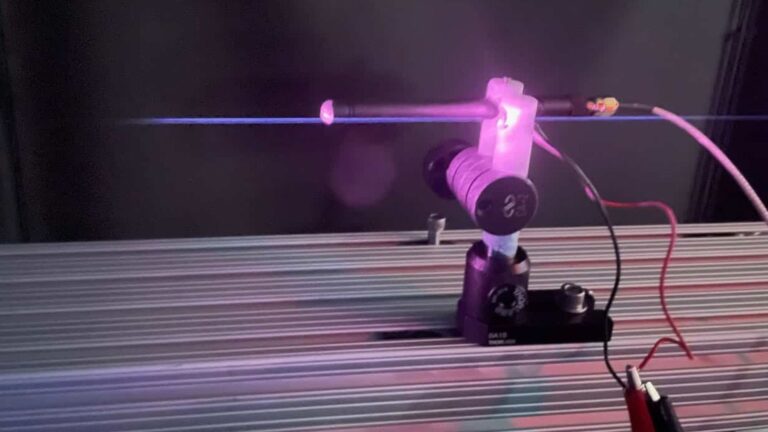
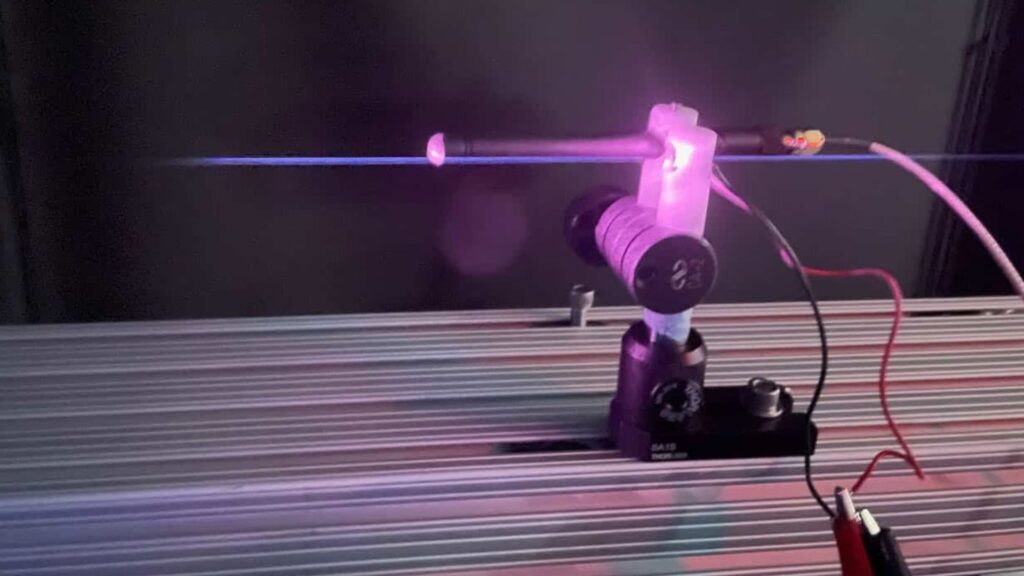
ORNL’s plasma-based EMIS technology allows researchers to enrich multiple isotopes of a single element during one production cycle. This approach reduces processing steps while increasing the range of isotopes that can be produced in a single operation. As a result, the laboratory can supply several important materials more efficiently than with older enrichment methods.
READ ALSO: US Air Force Expands Autonomous Aircraft Inspection with Asylon’s Advanced MARIA System
One example is ytterbium-176, which serves as the starting material for producing lutetium-177 used in targeted cancer therapies approved by the US Food and Drug Administration. During the same enrichment run, the system can also isolate ytterbium-171, which is used in atomic clocks and quantum computing research.
ORNL has also demonstrated the ability to produce isotopes such as germanium-76 and silicon-28, which are important for advanced semiconductor technologies and emerging quantum applications.
US Isotope Enrichment
The laboratory’s EMIS technology also produces specialized nickel isotopes used in homeland security systems and medical imaging. These isotopes serve as precursors for airport security scanners and Positron Emission Tomography (PET) scans, which help doctors diagnose a wide range of diseases. Producing these materials domestically strengthens the availability of important resources for healthcare and public safety.
Alongside EMIS, ORNL continues to expand its GCIS capability for enriching gaseous isotopes. The current focus is on xenon-129, an isotope widely used in magnetic resonance imaging (MRI) to create detailed images of the lungs and help diagnose respiratory diseases. Together, the two enrichment technologies provide a broader range of isotope production to meet growing national demand.
Future Capacity Expands
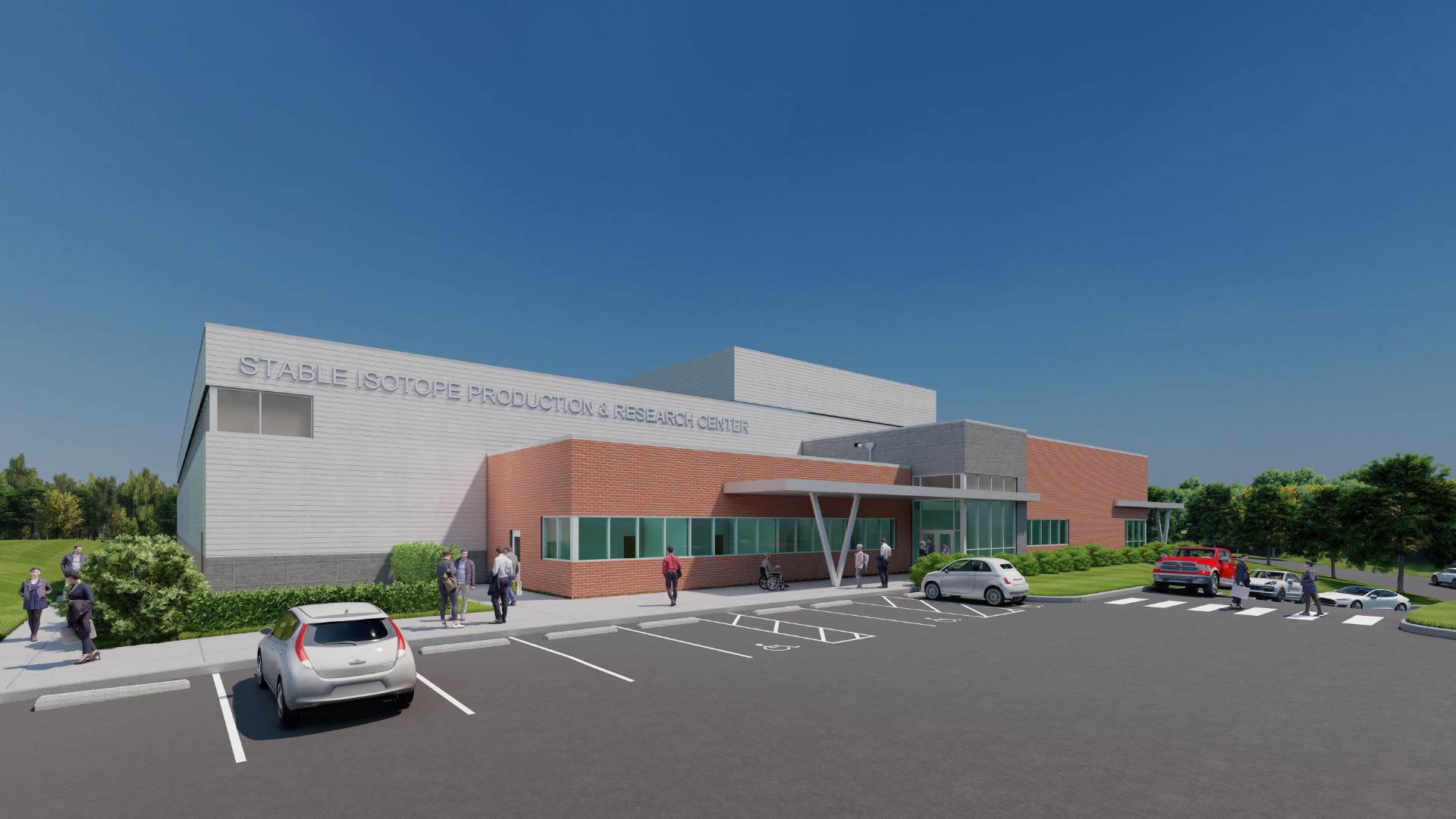
The Department of Energy is also investing in long-term expansion by constructing the Stable Isotope Production and Research Center at ORNL. The facility is scheduled to begin phased operations in 2028 and will increase domestic production capacity to support research, healthcare, and industrial needs. It is expected to strengthen the national isotope supply chain while reducing dependence on overseas sources.
ORNL is also integrating artificial intelligence, machine learning, and advanced automation into enrichment operations and chemical processing to improve production efficiency. Beyond manufacturing isotopes, the laboratory manages the National Stable Isotope Repository and works with universities, other national laboratories, and private companies to develop a skilled workforce for the future.
As production capacity continues to expand, the US is positioning itself to build a more reliable and self-sufficient isotope supply that supports innovation, healthcare, advanced technologies, and national security for years to come.