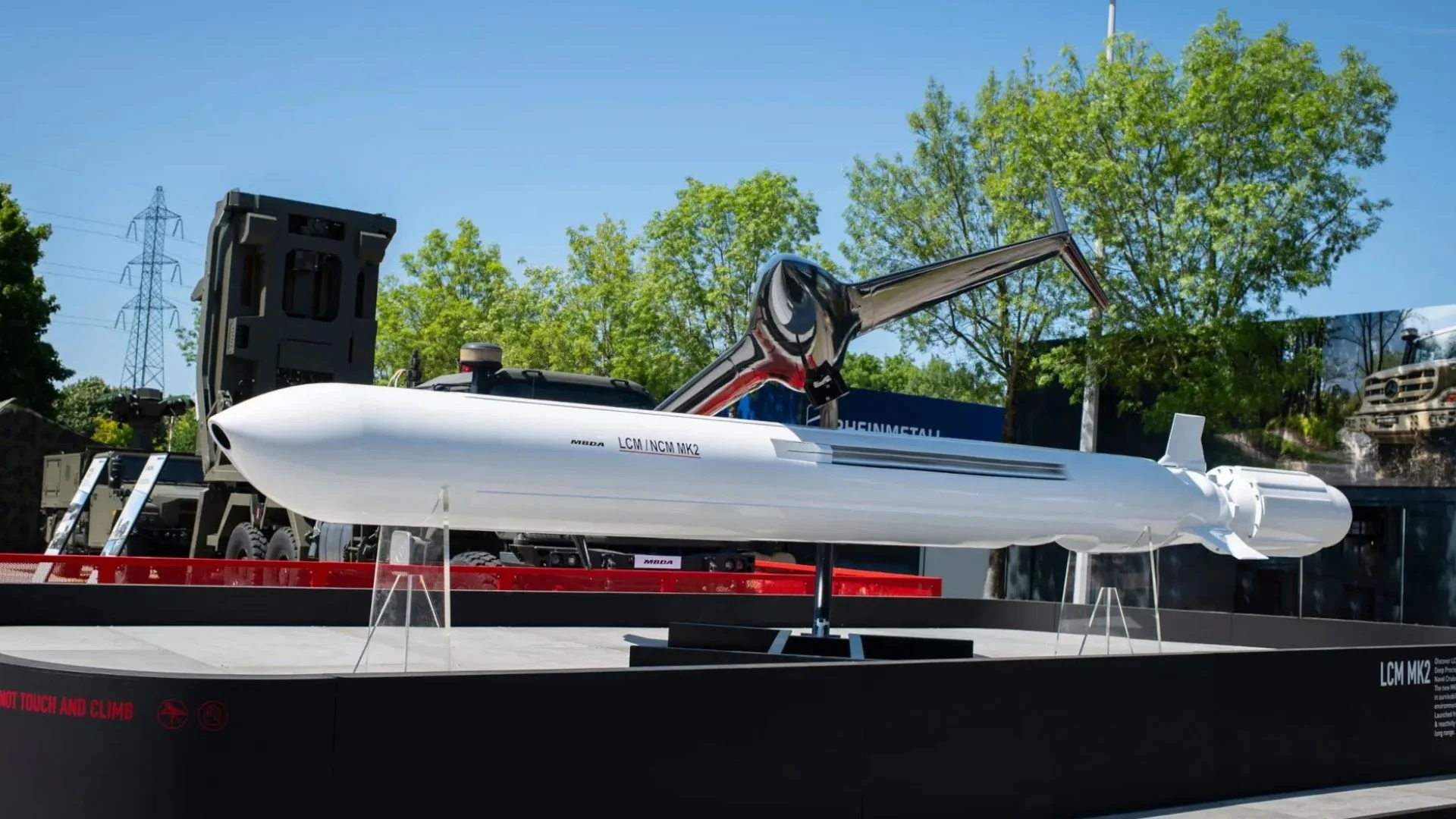
MBDA has introduced a new artificial intelligence-powered mission planning system that dramatically reduces the time needed to prepare cruise missile flight paths.
The system, called FastTrack, generates complete mission plans in just minutes, rather than the hours or days required by traditional planning methods.
The technology was demonstrated during the Eurosatory defense exhibition in Paris and highlights a faster approach to preparing long-range precision strikes.
MBDA FastTrack Revolutionizes Missiles
Mission planning is one of the most important steps before launching a cruise missile. Every flight path must avoid enemy defenses while ensuring the missile reaches its target accurately. This process normally requires specialized planning centers and experienced operators.
MBDA designed FastTrack to shorten this process using artificial intelligence. The system automatically analyzes mission data and quickly produces multiple flight path options. Operators can then review and select the most suitable route.
The demonstration began by entering the target’s coordinates and target type. FastTrack then combined terrain information, weather conditions, and intelligence about enemy air defense locations. It also considered how many cruise missiles would be assigned to the mission.
READ ALSO: Slower Heating Lets Atoms Self-Organize Into Architectures That Boost Alloys Strength
The software planned routes that allowed several missiles to strike within less than 30 seconds of each other. Coordinated attacks like these make it harder for defenders to respond effectively. The system completed each planning task within only a few minutes.
Three Mission Scenarios Show Fast Planning Speed
MBDA demonstrated FastTrack using three different combat situations. Each mission highlighted a different operational challenge. The examples showed how quickly the software adapts to changing battlefield conditions.
The first mission involved striking a train that had stopped at a railway station. Since the target was time-sensitive, rapid mission planning was essential. FastTrack generated a suitable route almost immediately.
The second mission focused on attacking a heavily protected command post. In this case, the direction and angle of attack were critical to achieving the desired result. The system automatically optimized the approach path based on those requirements.
The third scenario involved a target located about 1,000 kilometers away. An enemy air defense system blocked the safest route to the target. Because the missile could not fully avoid the threat, the estimated mission success rate dropped below 50 percent.
The simulation then introduced around 30 jet-powered One Way Effector drones. Their main purpose was to force the enemy air defense system to use its interceptor missiles rather than directly destroy it. After those defenses were weakened, the estimated success rate for the cruise missile mission increased to more than 80 percent.
Why Faster Mission Planning Matters
Cruise missiles rely on detailed flight planning to remain difficult to detect during flight. They usually travel at low altitude and follow complex routes around terrain and known air defense systems. Preparing these routes has traditionally been one of the slowest parts of long-range strike operations.
WATCH ALSO: A humanoid robot developed by China’s Unitree is mastering anti-gravity mode
FastTrack changes this timeline by producing complete missions while launch crews prepare their equipment. MBDA says a launcher typically needs about 15 minutes to move into its firing position. During that same period, FastTrack can complete mission planning.
This faster process allows military forces to respond more quickly after a target is detected. It also supports coordinated attacks involving cruise missiles and other systems operating together. Faster planning is becoming increasingly important as modern battlefields change rapidly.
Artificial intelligence is also reducing the workload for mission planners. Instead of manually calculating complex routes, operators receive several optimized options with an estimate of how long the missile is expected to remain undetected by enemy defenses. Human operators still make the final decision before launch.
The system is designed to support MBDA‘s Land Cruise Missile( LCM), which is being developed as Europe’s long-range cruise missile capability. Although the missile has not yet received production orders, FastTrack demonstrates how advanced software can enhance the effectiveness of future precision-strike systems.