A team of Chinese scientists has developed a new lithium-ion battery that continues to operate safely at temperatures far beyond conventional batteries’ limits.
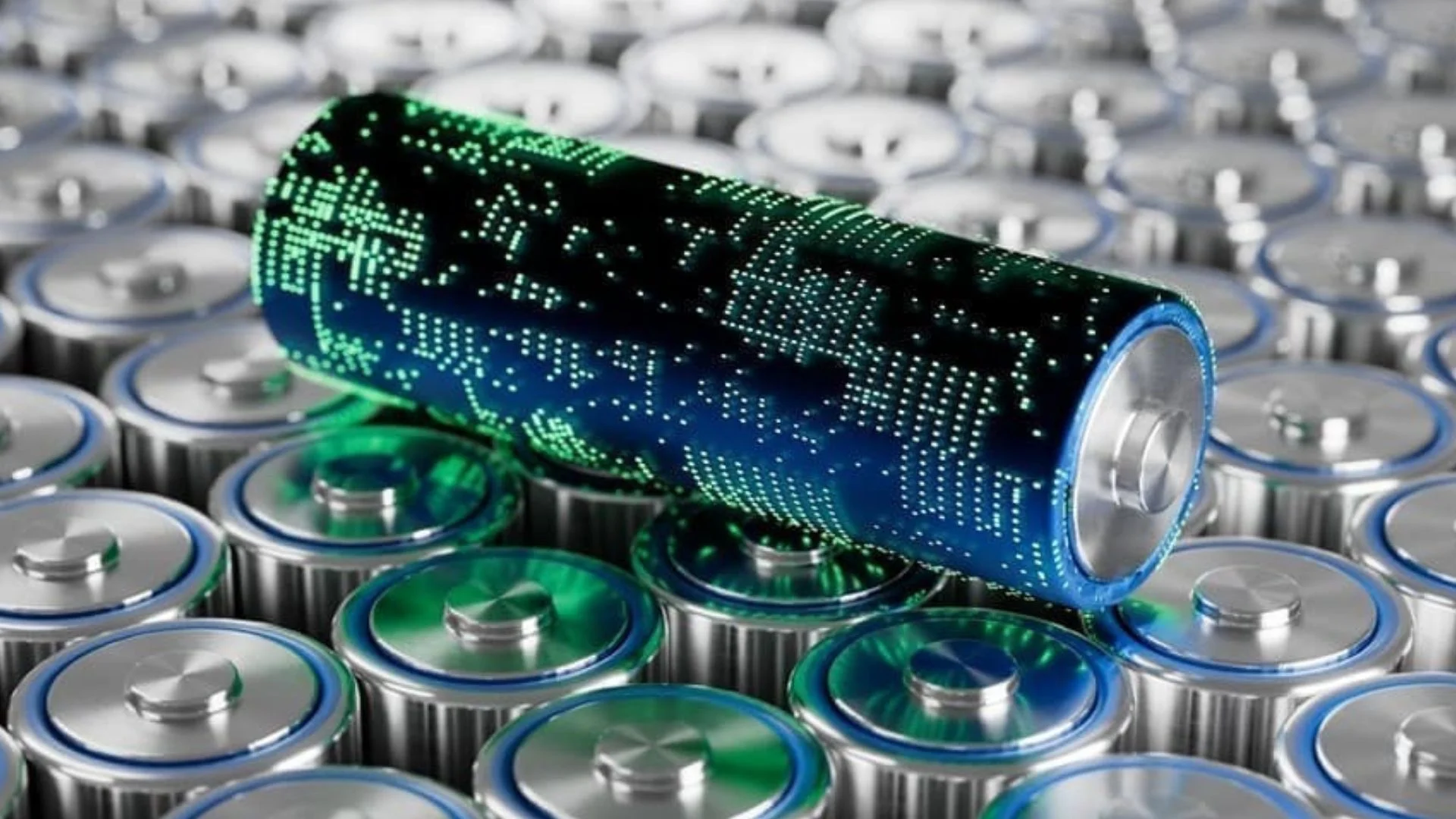
The miniature ceramic battery uses an all-ceramic design without flammable liquid components, allowing it to operate safely at up to 150 degrees Celsius.
The innovation offers a new power solution for smart sensors, aerospace systems, industrial monitoring equipment, and defense technologies that must work reliably in extreme conditions.
New Ceramic Battery Handles Extreme Heat
Researchers from Tsinghua University led the development of the battery. Their findings were published in the peer-reviewed scientific journal Matter. The team designed the battery with a fully ceramic structure, eliminating the need for traditional liquid electrolytes.
The battery remains stable and functional over a temperature range of 0 to 150 degrees Celsius. It also survived a thermal shock test involving exposure to 300 degrees Celsius for 20 seconds. Even after this intense heat exposure, the battery continued operating normally.
READ ALSO: Germany Cancels €10B F126 Frigate Deal, Orders MEKO A-200 Ships to Meet NATO Demands
Traditional lithium-ion batteries generally operate safely between -20 and 60 degrees Celsius. Beyond that range, performance often declines and safety risks increase. High temperatures can damage battery materials and increase the risk of fire.
The new battery addresses one of the biggest concerns surrounding conventional battery technology. Standard lithium-ion batteries contain liquid electrolytes that facilitate the movement of lithium ions between electrodes. These liquids are often flammable and can ignite if exposed to excessive heat, physical damage, or manufacturing defects.
Why Solid-State Batteries Matter
Solid-state batteries replace liquid electrolytes with solid materials. This design reduces fire risks and improves overall safety. As a result, researchers worldwide are investing heavily in solid-state battery technology.
The Chinese team focused on an all-ceramic version of a solid-state battery. Ceramic materials offer excellent thermal stability and do not burn under normal operating conditions. However, creating thin ceramic layers without reducing strength has remained a major engineering challenge.
Scientists describe this challenge as a balance between thickness and durability. Thinner ceramic layers can improve battery performance and energy density. At the same time, making the layers too thin can weaken the structure and increase the risk of damage.
To solve this problem, the researchers developed a new multilayer battery architecture. They also introduced a manufacturing process that improves contact between the battery’s internal layers. This approach helped maintain both strength and performance.
The design is an anode-free all-ceramic micro lithium-ion battery. It can be stacked and adjusted to different sizes depending on application requirements. This flexibility makes it suitable for a wide range of miniature electronic devices.
READ ALSO: REGENT Craft Opens World’s First Seaglider Factory to Meet $10 Billion Global Demand
Applications for Aerospace, Defense and Smart Devices
The technology arrives as demand for compact electronics continues to grow. Modern devices are becoming smaller while requiring more power and greater reliability. Industries are also seeking batteries that can operate in environments where traditional batteries struggle.
Potential applications include fire detection systems and industrial monitoring equipment. These systems often operate at elevated temperatures and require reliable power sources. A battery that remains stable under such conditions can improve operational reliability.
The battery is also well suited for Internet of Things (IoT) devices. IoT refers to connected sensors and equipment that collect and exchange data through networks. Many of these devices are installed in factories, transportation systems, and remote locations where temperatures can fluctuate significantly.
Aerospace and defense sectors could also benefit from the technology. Equipment used in aircraft, spacecraft, and military operations often encounters harsh environmental conditions. Improved battery safety and thermal resistance are especially valuable in these applications.
Another advantage is the manufacturing process itself. Unlike many advanced battery technologies that require carefully controlled production environments, this ceramic battery can be manufactured in normal air. The researchers said this simplifies production and helps reduce manufacturing costs.
WATCH ALSO: NASA rover discovered ancient microbial life signature on Mars
The team also reported that the battery is completely non-combustible. It maintains its structural integrity even during prolonged exposure to external flames. This performance exceeds that of batteries using liquid, polymer, or composite electrolytes in terms of safety and thermal stability.
The development highlights ongoing efforts to bring solid-state batteries closer to commercial use. As industries demand safer and more durable energy storage systems, technologies like this ceramic battery are expected to play an important role in the next generation of wearable electronics, smart sensors, and advanced industrial systems.