Alsym Energy and Re:Build Manufacturing have signed a memorandum of understanding to develop commercial-scale sodium-ion battery cell production in the US.
The agreement brings together Alsym’s battery technology and Re:Build’s manufacturing expertise. Both companies aim to strengthen the domestic supply of battery cells for the fast-growing energy storage market.
The partnership comes at a time when energy storage demand is rising nationwide. Utilities, businesses, and data center operators are investing heavily in systems that can store electricity for later use. These systems play a key role in supporting renewable energy sources such as solar and wind power.
Under the agreement, the companies will focus on building sodium-ion battery manufacturing capacity at Re:Build’s facility in New Kensington, Pennsylvania. The site is located in a region with a long history of industrial production. Company leaders say the project will also create new opportunities in a community with strong manufacturing roots.
Energy storage systems are important as power grids handle larger amounts of renewable energy. Unlike fossil fuel power plants, renewable energy sources do not generate electricity continuously. Battery storage helps balance supply and demand by storing excess power and delivering it when needed.
READ ALSO: New quantum sensing technology reveals subatomic signals
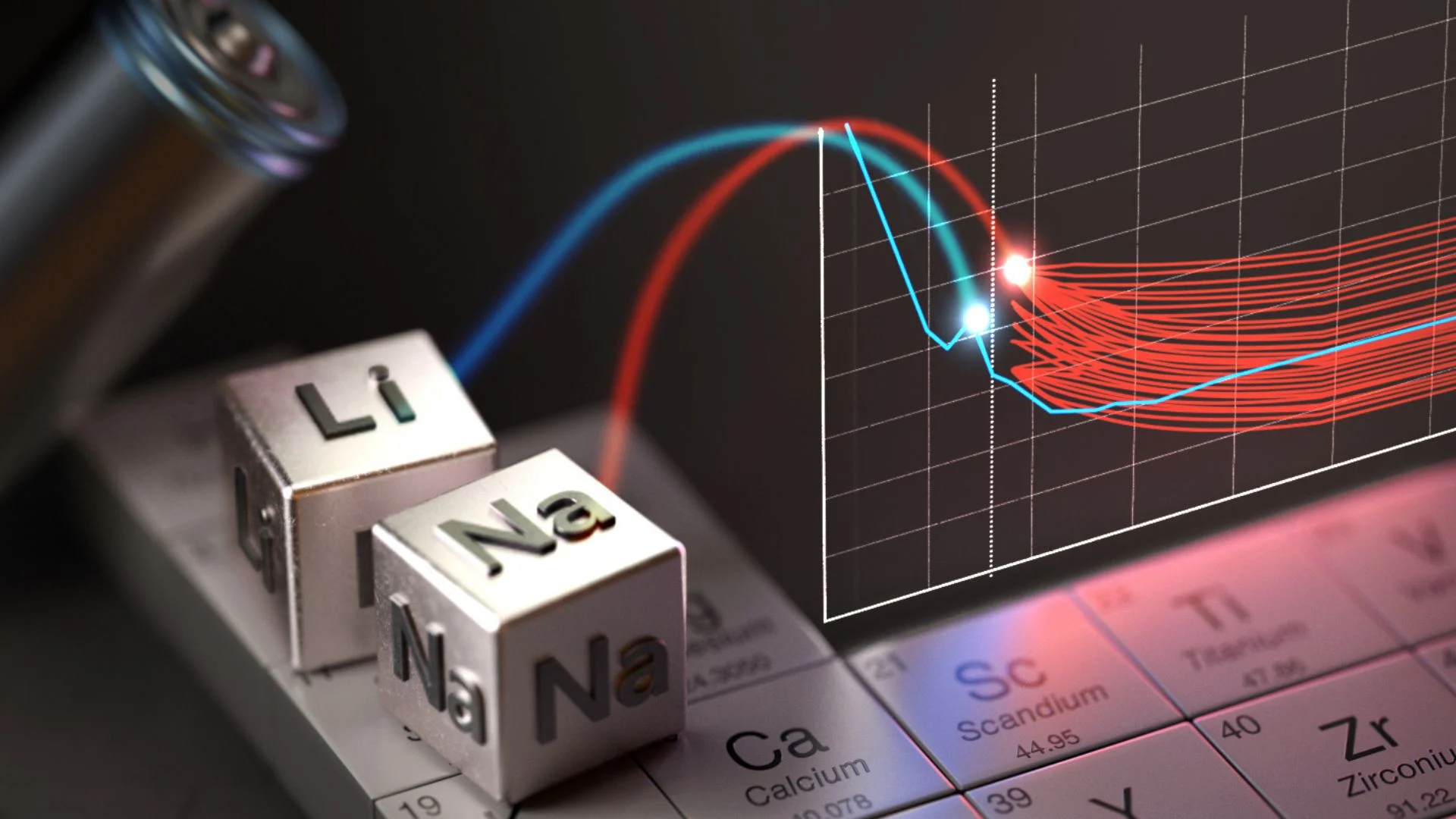
Alsym Energy has developed a sodium-ion battery technology that offers an alternative to traditional lithium-ion batteries. Sodium-ion batteries use sodium, a more widely available material than lithium. This approach can help reduce supply chain challenges while lowering production costs.
Sodium-Ion Battery Powers Future
One of the key features of Alsym’s battery technology is its non-flammable design. Safety has become a major concern in the energy storage industry because lithium-ion batteries can catch fire under certain conditions. These risks have led to stricter regulations and project delays in some locations.
According to Alsym, its sodium-ion batteries provide strong performance while eliminating many of the fire-related concerns associated with lithium-ion technology.
This allows energy storage systems to be deployed in a wider range of locations. Urban areas and sensitive sites that face strict safety requirements could particularly benefit from the technology.
Alsym Chief Executive Officer Mukesh Chatter said the company is focused on delivering batteries that combine safety, affordability, and performance.
He stated that the partnership with Re:Build will help speed up the company’s path toward domestic commercial production. He also highlighted the importance of building a reliable supply chain that complies with US tax credit and defense procurement requirements.
READ ALSO: Chinese Scientists Develop New AI Model for Cyclone Forecast
The company believes its sodium-ion batteries can address growing energy needs in sectors such as artificial intelligence, data centers, commercial real estate, and utility-scale power projects. Demand for these applications has increased significantly as electricity consumption continues to rise. Battery storage is a key part of supporting that growth.
For Re:Build Manufacturing, the project expands its role in the battery industry. The company already has experience assembling battery packs and modules. Entering battery cell manufacturing represents the next step toward creating a more complete domestic battery supply chain.
Re:Build Chief Executive Officer Miles Arnone said customers are seeking dependable battery supplies produced within the United States. He noted that demand for cleaner and safer energy technologies continues to grow. The company sees domestic battery manufacturing as an important part of meeting those commitments.
The collaboration also supports broader national efforts to strengthen American manufacturing. In recent years, policymakers have encouraged domestic production of critical technologies through incentives and industrial investment programs. Battery manufacturing has become a major focus due to its importance for energy security and economic competitiveness.
Producing battery cells in the US can help reduce dependence on foreign suppliers. It can also shorten delivery times and lower transportation costs for customers. These advantages are important as energy storage projects expand across North America.
The project is expected to support eligibility for incentives available through the Inflation Reduction Act. These include the 45X Advanced Manufacturing Production Credit, which encourages domestic production of clean energy technologies. Access to these incentives can improve the economics of large-scale manufacturing investments.
WATCH ALSO: US conducts powerful and deadly strike against ISIS terrorists in Northwest Nigeria
The agreement reflects a growing trend toward alternative battery chemistries beyond lithium-ion technology. As demand for energy storage accelerates worldwide, manufacturers are exploring new materials that improve safety, affordability, and supply chain resilience. Sodium-ion batteries are gaining attention because they address several of these challenges simultaneously.
Industry experts expect the global energy storage market to continue expanding over the coming years. Utilities, renewable energy developers, and industrial customers are all increasing investments in storage capacity. Partnerships such as the one between Alsym and Re:Build highlight how companies are preparing to meet that demand through domestic production and new battery technologies.
The collaboration can strengthen the US’s position in advanced battery manufacturing while providing safer energy storage options for a rapidly evolving power sector. The initiative also demonstrates how innovation and local manufacturing can work together to support the next phase of the clean energy transition.