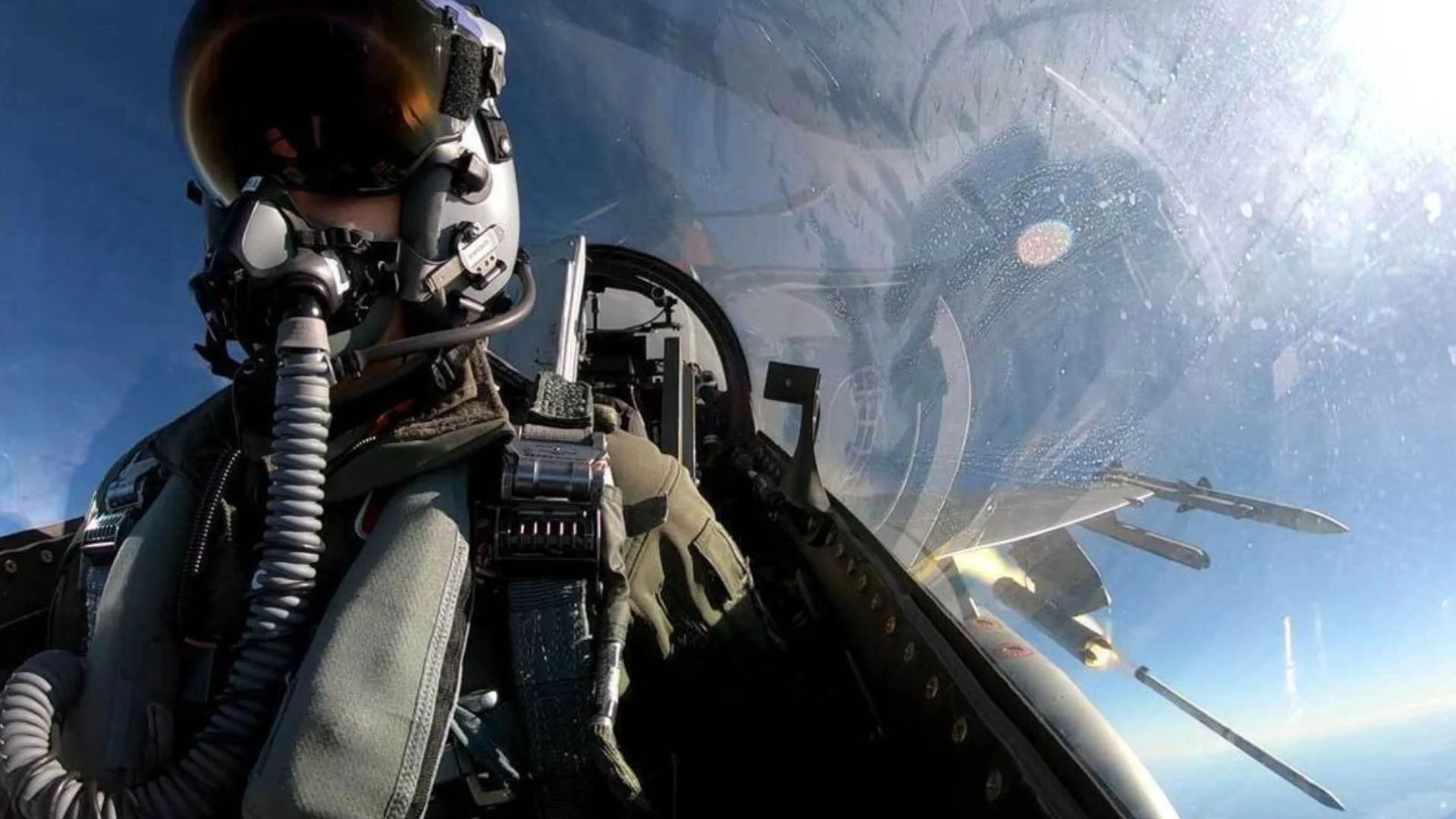
L3Harris Technologies has secured a contract from the US Naval Surface Warfare Center Indian Head Division, to supply Mechanical Proximity Fuzes for upgrades to the Advanced Precision Kill Weapon System (APKWS).
The award supports the US military’s growing efforts to strengthen defenses against unmanned aerial threats. The company will manufacture the systems at its facility in Cincinnati, Ohio.
L3Harris Expands Counter-Drone Support
The contract, worth up to $98 million, covers the delivery of the company’s combat-proven Mechanical Proximity Fuze(Fixed Wing), Air Launched, Counter-Unmanned Aircraft Systems Ordnance (FALCO) Proximity Fuze.
The system is designed to improve the effectiveness of existing weapons against drones and other aerial threats. Contract options could raise the total award value to $98 million.
The fuze upgrades launch platforms into low-cost counter-drone weapons. Instead of requiring a direct hit, it allows a rocket to detonate when it passes close to a target. This increases the likelihood of destroying small, fast-moving drones that are difficult to strike directly.
READ ALSO: Defence Secretary oral statement on Russian Maritime Activity and UK Response – 22 January 2025
L3Harris developed the fuze to provide precision, adaptability, and affordability across different operational environments. The technology is already in service and has been tested in real-world military operations. Its growing adoption reflects the increasing demand for practical, scalable counter-drone solutions.
How FALCO Proximity Fuzes Work
The Mechanical Proximity Fuze is primarily used with the 70 mm Hydra rocket and the Advanced Precision Kill Weapon System. APKWS converts standard unguided rockets into precision-guided weapons through the addition of a guidance kit. The fuze further improves effectiveness by triggering detonation near a target rather than on direct impact.
This approach is particularly useful against small unmanned aerial systems. Drones often have a limited radar signature and can maneuver quickly, making direct hits challenging. Proximity detonation creates a larger engagement envelope and improves mission success rates.
The fuze can also be integrated with platforms such as L3Harris’ Vehicle-Agnostic Modular Palletized ISR Rocket Equipment(VAMPIRE). The system has been used to counter aerial threats while offering a lower-cost alternative to expensive air defense missiles. This makes it attractive for military forces seeking affordable layered defense options.
Production Ramp-Up to Meet Demand
Rising demand for FALCO proximity fuzes is driving a major increase in production. L3Harris plans to boost output by seven times compared with current levels. The company is investing in new tooling, upgraded inspection systems, and supplier expansion to support the effort.
WATCH ALSO: US Air Force’s Sentinel missile brings improved range, accuracy, resiliency and flexibility
According to L3Harris, these investments are expected to increase overall production capacity by up to twenty times. The expansion is intended to meet both current US military requirements and future orders. It also supports broader efforts to strengthen the American defense industrial base.
Scott Alexander, President of Missile Propulsion and Missile Solutions at L3Harris, said the US military is prioritizing proven and cost-effective technologies to address rapidly evolving threats.
He added that the contract highlights the company’s ability to expand production while maintaining reliable delivery. The award also strengthens long-term support for critical defense missions.
L3Harris has supplied advanced fuzes and safe-and-armed technologies for more than 70 years. The latest contract highlights the growing importance of affordable counter-drone weapons as militaries worldwide adapt to the increasing use of unmanned systems on modern battlefields.