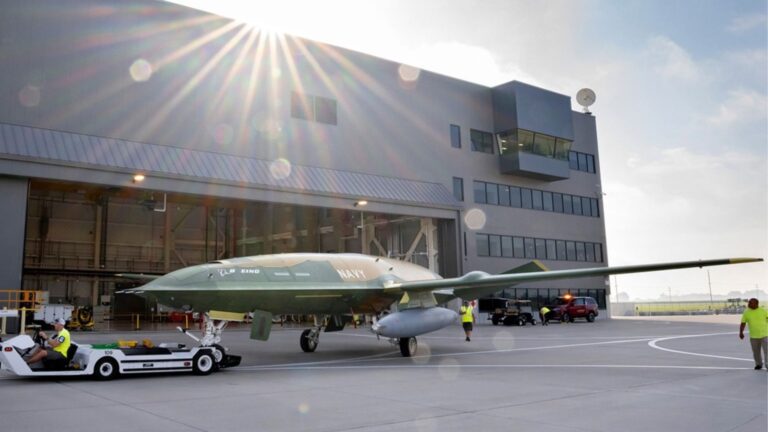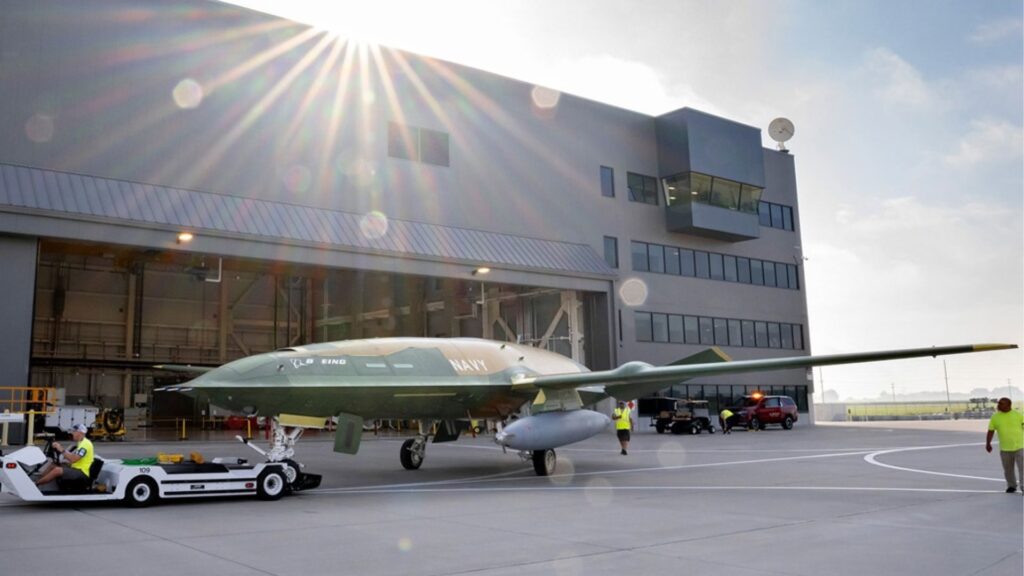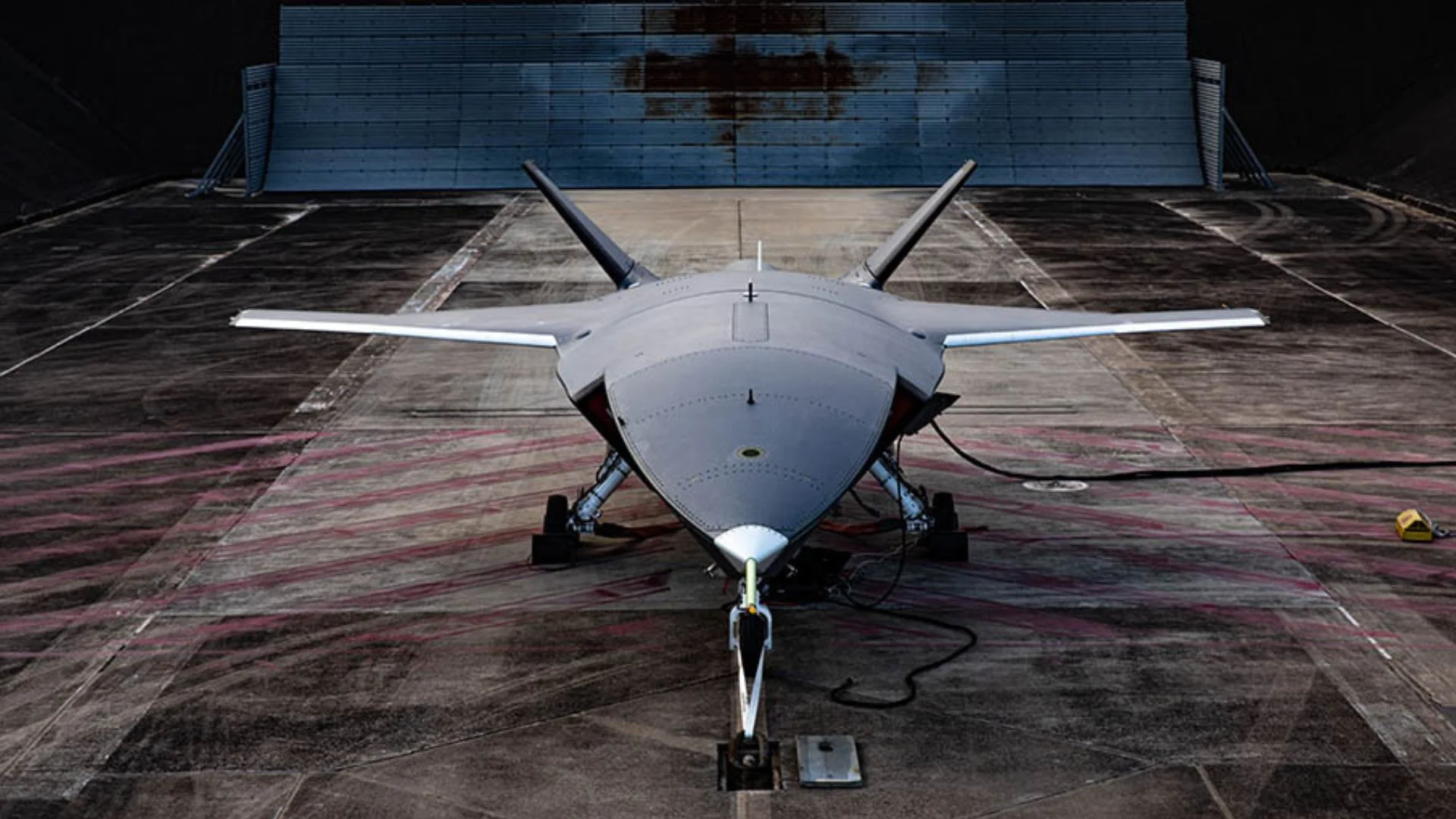
Boeing has successfully validated the stealth capabilities of its MQ-28 Ghost Bat collaborative combat aircraft, marking an important step in the drone’s development.
Recent radar cross-section testing confirmed that the aircraft is harder for enemy radar systems to detect and track. The results strengthen the MQ-28’s position as a key platform for future air combat missions in contested environments.
MQ-28 Ghost Bat Stealth Design Proven
The latest testing focused on the aircraft’s radar cross-section (RCS). This measurement helps determine how visible an aircraft is to radar systems. A lower radar signature makes it more difficult for adversaries to detect, track, and target the aircraft.
Boeing said the tests delivered objective and repeatable results. The findings validated the effectiveness of the MQ-28’s overall design and construction. They also confirmed that the aircraft’s materials and components contribute to reducing radar visibility.
The company described the achievement as a sign of the platform’s growing maturity. It also highlighted the aircraft’s readiness for more advanced operational testing. The milestone supports Boeing’s efforts to offer a survivable, cost-effective combat drone to modern air forces.
READ ALSO: USA Rare Earth Picks South Carolina for $1.2 Billion Magnet Manufacturing Expansion
Growing Role in Future Air Operations
The MQ-28 Ghost Bat was developed by Boeing’s Phantom Works Australia division. The program began in 2017 and achieved its first flight in 2021. Since then, the aircraft has completed more than 150 test flights.
According to Brad Thompson, director of Phantom Works Australia, the aircraft combines stealth, advanced autonomy, artificial intelligence, and mission flexibility. These capabilities help military operators extend the reach and effectiveness of their air missions. The platform is designed to work alongside crewed aircraft rather than replace them.
Collaborative combat aircraft are becoming increasingly important for modern militaries. They can perform high-risk tasks while reducing danger to human pilots. Their ability to operate as force multipliers is attracting growing interest from defense organizations worldwide.
Autonomous Combat Capabilities Expanding
Beyond stealth testing, the MQ-28 has demonstrated several advanced operational capabilities. Boeing has tested autonomous navigation, including flights to unfamiliar locations without direct pilot control. The aircraft has also conducted coordinated operations with other MQ-28 drones.
WATCH ALSO: South Korean company showcases its multi-purpose unmanned ground vehicle for military use
The platform has additionally been integrated with Boeing’s E-7A airborne early warning and control aircraft during test activities. Such integration allows drones and crewed aircraft to share information and operate as a connected team. This approach supports faster decision-making and improved battlefield awareness.
One of the program’s most notable achievements was an autonomous air-to-air engagement demonstration. During the test, the MQ-28 used a Raytheon AIM-120 missile to destroy a simulated target. The result showed how autonomous systems are moving beyond surveillance roles and into more complex combat operations.
The successful stealth validation adds another major milestone to the MQ-28 Ghost Bat program. As air forces seek affordable and survivable aircraft that can operate alongside fighters, Boeing’s collaborative combat drone is expected to play an important role in the next generation of air warfare.