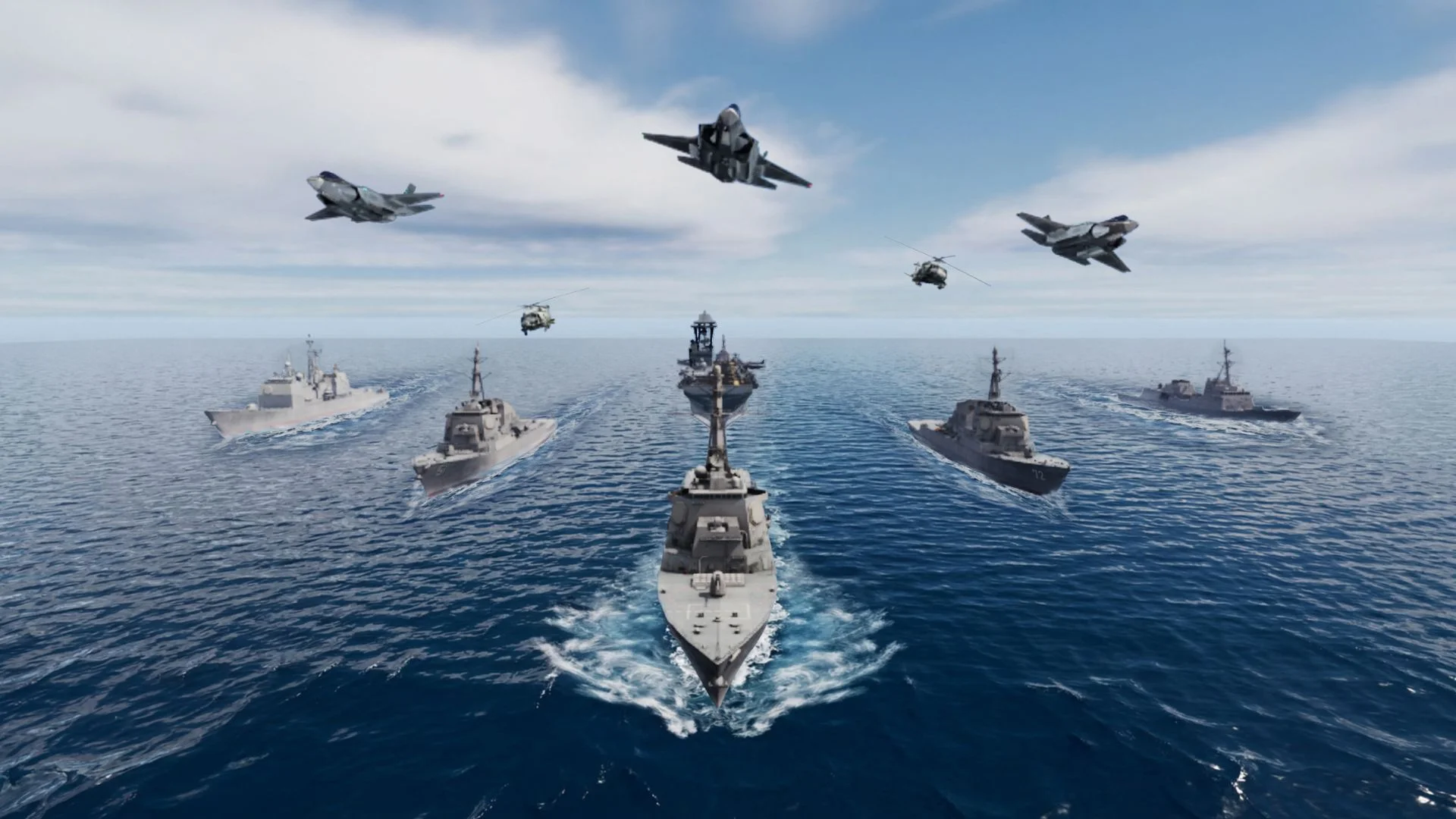
Lockheed Martin has delivered the first Integrated Combat System (ICS)-enabled baseline to the US Navy.
The delivery marks an important milestone in the Navy’s effort to modernize its combat systems across the fleet. The new baseline combines existing combat capabilities with upgraded digital infrastructure to speed up future software and system updates.
The Navy plans to introduce new updates every six months under the ICS framework. This faster update cycle is meant to keep warships equipped with the latest combat technologies and mission systems. The system also aims to improve coordination between different ships by using a shared combat architecture.
Aegis BL9.C3.0 Forms the Foundation
The first delivered package is known as Aegis BL9.C3.0. It was built using the Forge development environment, a modern software platform that supports quicker testing and integration of new features. The package introduces a redesigned display system and a Tactical Platform-as-a-Service (Tactical PaaS).
READ ALSO: CATL Opens World’s Largest Energy Storage Testbed to Improve Grid Safety and Reliability
Tactical PaaS creates the foundation for containerized software inside Navy combat systems. In simple terms, containerized software allows programs to run independently and update more easily without affecting the entire system. This approach is similar to how cloud-based commercial software platforms receive regular feature updates with less downtime.
The baseline also adds new operational capabilities that can support future weapons, sensors, and mission systems. Lockheed Martin said upcoming releases will continue to add new technologies through smaller, more frequent updates. The company believes this process will reduce costs and simplify fleet-wide upgrades over time.
WATCH ALSO: India recently tested carried out the successful launch of Intermediate Range Agni-Prime Missile
Faster Combat System Updates Across the Fleet
The Integrated Combat System is part of the Navy’s larger push toward commonality across surface combatants. Instead of developing separate software baselines for different ships, the Navy wants a shared system that can support multiple classes of warships. This approach helps simplify maintenance, training, and future modernization work.
Chandra Marshall, vice president of Multi-Domain Combat Systems at Lockheed Martin, said the delivery reflects the company’s partnership with the Navy in building a fully integrated combat architecture.
She added that each upgrade strengthens the proven Aegis air and missile defense capability already used by the fleet. The Aegis system remains one of the Navy’s primary tools for detecting and intercepting airborne threats.
The Navy’s push for faster software delivery comes as global naval competition intensifies, especially in the Indo-Pacific region.
Modern naval warfare now depends heavily on software, networking, and rapid data sharing between ships and weapons systems. A faster update process allows the Navy to respond more quickly to changing threats and emerging technologies.
Why New ICS Baseline Matters
The ICS-enabled baseline is expected to improve how combat systems are developed and deployed across the Navy. A single shared architecture can help reduce delays when adding new sensors, radar systems, or missile technologies. It also creates a more scalable framework for future autonomous systems and advanced weapons integration.
READ ALSO: No Isolation’s AV1 Robot Aims to Combat Loneliness for Chronically Ill Kids
Defense companies and military forces worldwide are increasingly shifting toward software-driven warfare systems.
Similar modernization programs are underway in allied navies that want faster technology refresh cycles and more flexible combat platforms. The US Navy’s new approach reflects a broader defense industry trend toward modular and continuously updated systems.
Lockheed Martin said future ICS-enabled updates will continue arriving on a predictable schedule. The company and the Navy aim to create a combat system that evolves continuously instead of relying on long upgrade cycles every few years.