China is exploring the use of AI-powered unmanned surface vessels(USVs) to improve long-term patrol operations in the South China Sea.
Researchers from China State Shipbuilding Corporation said these autonomous boats can remain at sea for months while conducting surveillance and maritime enforcement.
The proposal comes as regional tensions continue to rise in disputed waters across the Indo-Pacific.
The research was published in the latest edition of Naval and Merchant Ships, a journal owned by China State Shipbuilding Corporation.
Scientists Chen Xin and Chen Ruimiao said wave-powered vessels can support sustainable operations in distant waters. They added that the systems can reduce costs and lower personnel risks during long deployments.
Wave-Powered USVs Gain Attention
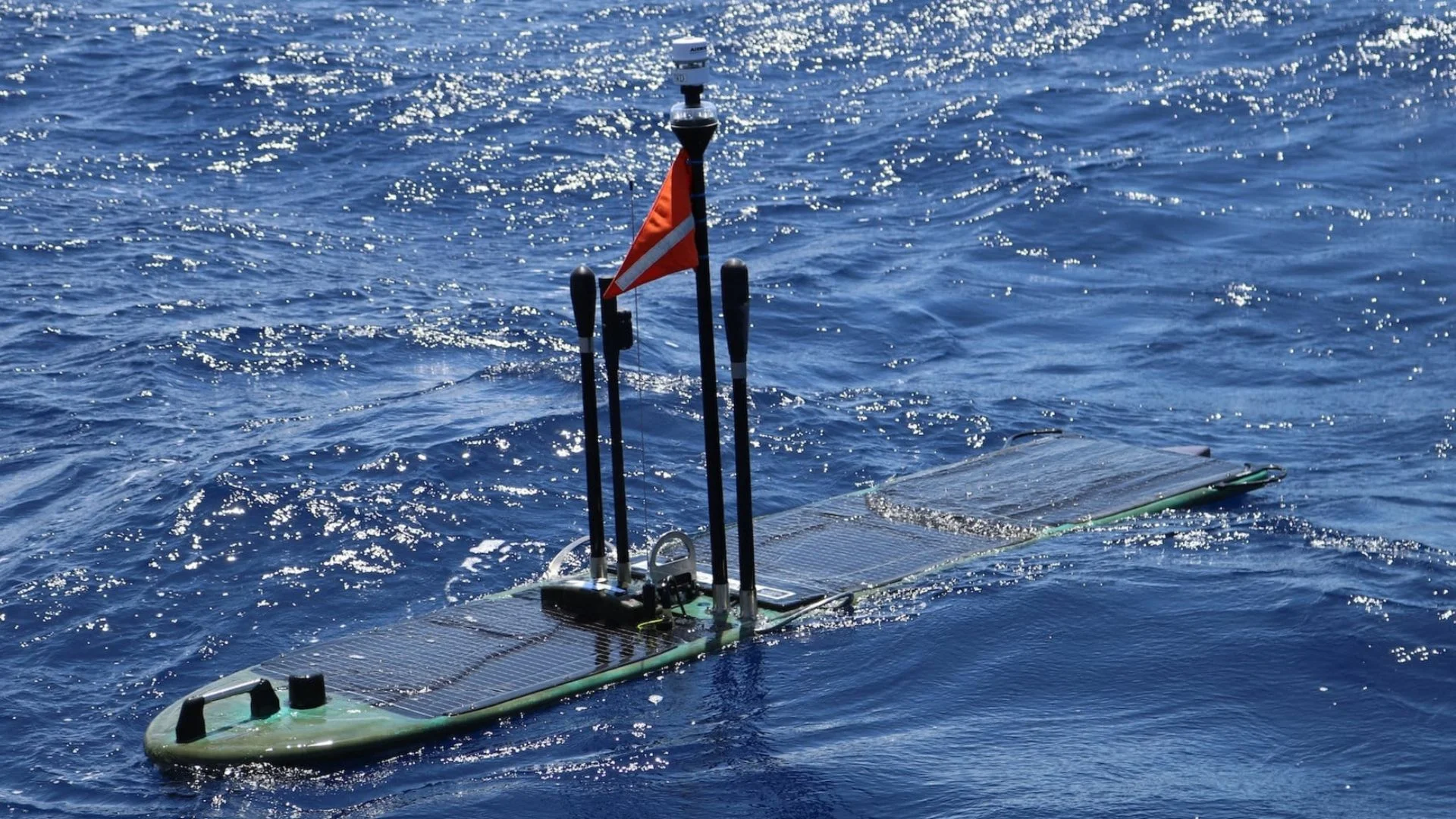
These unmanned surface vessels use wave energy to move across the ocean without relying on traditional fuel systems. The technology converts vertical wave motion into forward motion via a submerged fin mechanism attached beneath the vessel. This design allows the boats to operate quietly and continuously for long periods.
READ ALSO: Chinese Engineers Blaze 22-Kilometer Path, Opening World’s Longest Expressway Tunnel
Researchers said the vessels can support routine patrols near islands, reefs, and contested maritime zones. They can also monitor illegal fishing and unauthorized activities and assist in search and rescue operations.
Their long endurance makes them useful for constant observation in remote areas where regular patrol ships face logistical challenges.
The report said many countries are now shifting towards autonomous maritime systems supported by artificial intelligence. Traditional naval assets such as destroyers, submarines, and patrol aircraft are expensive to operate for continuous surveillance missions. Autonomous vessels offer a lower-cost option for monitoring large sea areas without onboard crews.
The US and its allies have already invested heavily in similar technology. US company Liquid Robotics developed the Wave Glider, an autonomous vessel equipped with satellite communications and high-resolution video systems. The Wave Glider can reportedly stay at sea for up to 12 months without returning to port.
Australia has also introduced the Bluebottle autonomous vessel. It combines wave and solar energy for propulsion and onboard systems. According to researchers, the vessel can operate for six months at a fraction of the cost of conventional patrol ships. Britain’s AutoNaut system is also being used for long-duration missions in harsh North Sea conditions.
China Builds Long-Endurance Maritime Network
Chinese researchers said domestic wave-powered USVs have already demonstrated ranges of more than 10,000 kilometers.
WATCH ALSO: Swiss company’s new ‘brain’ to help robots conduct real-life tasks autonomously
They added that some vessels can remain operational for over a year, far exceeding the endurance of traditional fuel-powered unmanned boats. This extended capability supports China’s broader push for integrated maritime surveillance systems.
The article described the vessels as part of a future smart maritime defense system linking air, sea, shore, and space-based monitoring networks.
The boats can collect data continuously while reducing operational costs and minimizing human risk. Their near-silent movement also makes them useful for covert observation missions.
The South China Sea remains one of the world’s most strategically important waterways. Around US$3 trillion in global trade passes through the region each year. The sea is also believed to contain large reserves of oil and natural gas beneath its waters.
China claims more than 80 percent of the South China Sea, including areas also claimed by the Philippines and other Southeast Asian nations. Beijing says its territorial claims are based on historical rights. Several neighboring countries reject these claims and continue to challenge Chinese activities in disputed waters.
Rising Regional Tensions Shape Maritime Strategy
The discussion about unmanned patrol vessels comes amid increasing military activity in the region. Earlier this month, the US and the Philippines completed the Balikatan military exercises across several locations in the Philippine archipelago. The drills involved joint operations, maritime defense training, and regional security coordination.
READ ALSO: University of Illinois Scientists Crack Code on How Magnetic Fields Control Steel’s Strength
Regional governments are closely watching how autonomous maritime technology changes naval operations.
Long-endurance unmanned vessels can expand surveillance coverage without requiring large crews or expensive support systems. This shift is expected to influence future coast guard, naval, and maritime law enforcement strategies across the Asia-Pacific waters.
China’s investment in AI-assisted sea drones reflects a wider global trend toward autonomous military and surveillance systems.
As competition grows in contested maritime zones, these vessels are expected to play a larger role in intelligence gathering, patrol operations, and strategic monitoring. Their growing presence may shape the next phase of maritime security operations in the South China Sea.