The rapid expansion of artificial intelligence is driving a hidden surge in greenhouse gas emissions from data centers across the US, reaching levels that rival entire countries.
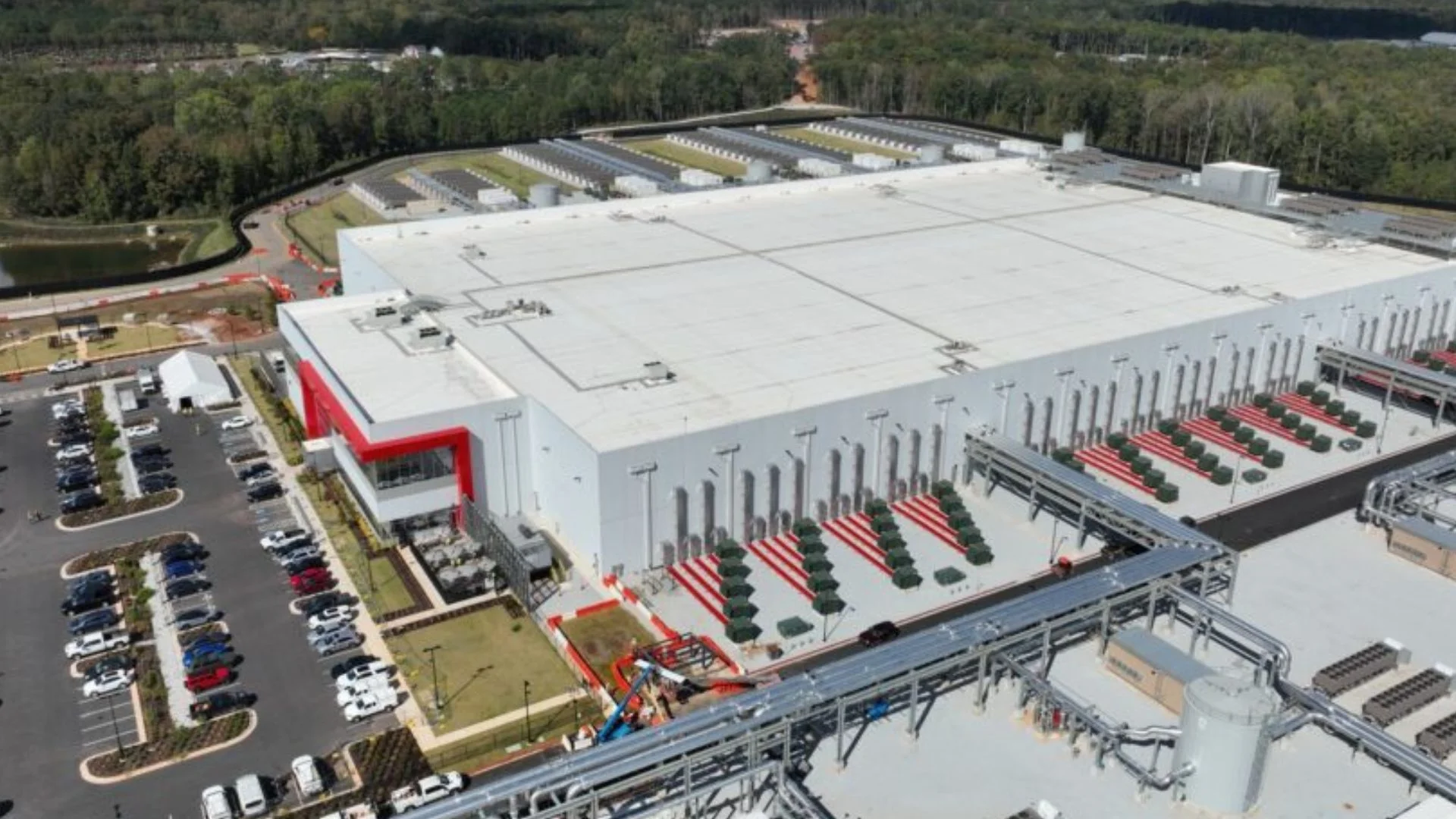
At the center of this trend are some of the world’s biggest technology companies, including OpenAI, Meta, Microsoft, and xAI. These firms are racing to build massive data centers to power AI systems. But the energy required to run them is enormous, and increasingly, it is coming from natural gas.
New estimates suggest that just a handful of planned gas-powered projects linked to data centers could emit more than 129 million tons of greenhouse gases every year. That figure is higher than Morocco’s total annual emissions. And these projects represent only a fraction of what is being planned.
READ ALSO: Unitree Robotics H1 vs Usain Bolt: 10 m/s Sprint Puts Humans on Edge
This surge is tied to a new approach called ‘behind-the-meter’ power. Instead of relying on the traditional electricity grid, developers are building their own power plants directly next to data centers.
This allows them to bypass long wait times for grid connections and avoid pressure on public utilities. But it also means emissions are rising in ways that are harder to track and regulate.
Michael Thomas, founder of Cleanview, has been closely monitoring these developments. He describes the trend as a sharp and worrying shift. “We thought emissions were falling as coal plants shut down,” he says. “Now we are seeing a new rise. That is deeply concerning.”
One of the most high-profile examples is a project by xAI in Memphis, Tennessee. The company installed gas turbines to quickly power its AI systems. The move sparked protests from nearby communities, who raised concerns about air pollution and health risks.
WATCH ALSO: Researchers from German have developed a diving robot that can easily collect underwater waste
Despite the opposition, regulators approved the turbines. Documents show that two nearby xAI campuses could together emit more than 12 million tons of carbon dioxide equivalents each year. That is roughly equal to the output of dozens of natural gas plants.
Elsewhere, Microsoft is exploring energy deals tied to large gas projects in Texas. One such project alone could produce over 11 million tons of emissions annually, more than Jamaica’s total emissions.
Company leaders defend these decisions as part of a broader energy strategy. Microsoft says it uses a mix of energy sources to ensure reliability, especially in areas where the grid cannot meet demand fast enough. Still, the scale of these projects is hard to ignore.
Even when actual emissions fall below maximum permitted levels, the numbers remain significant. If emissions reach just half of projected levels, they could still exceed Norway’s. That would equal the output of more than 150 average-sized gas plants.
READ ALSO: USS Spruance Fires Deck Gun After 38 Years: What Triggered This Rare Strike?
Unlike traditional power plants, data center facilities often run at a steady, high level. This means their emissions may stay close to maximum levels for long periods. Energy researcher Jon Koomey explains that these facilities do not adjust output based on demand. “They run constantly,” he says. “That changes the emissions picture completely.”
The demand for gas turbines is also creating new challenges. Shortages of high-efficiency models are pushing developers to consider less efficient options. These systems consume more fuel and produce more emissions over time.
At the same time, large multi-company projects are expanding rapidly. One example is the Stargate initiative, which includes several massive data center campuses across states like Texas and New Mexico. Just a few of its gas-powered facilities could emit over 24 million tons of greenhouse gases each year.
Companies involved say natural gas is a temporary solution. They argue it provides stable power while cleaner technologies like renewable energy and nuclear power scale up. But critics question whether this transition will happen fast enough.
WATCH ALSO: World’s largest nuclear fusion research project ITER has reached a new milestone
In Texas, another major development highlights the scale of the issue. A project near Amarillo aims to build one of the largest data center campuses in the country. Its associated gas plants could emit over 40 million tons of greenhouse gases annually, more than the total emissions from all power sources in Connecticut.
Further south, near Fort Stockton, another large project could add more than 30 million tons of emissions each year. These numbers show how quickly emissions can grow when multiple large facilities come online.
Even companies that have pledged to cut emissions are facing setbacks. Meta, for example, has reported major reductions in its carbon footprint in recent years. But new gas-powered projects linked to its data centers could offset a significant portion of those gains.
READ ALSO: Anti-Drone Laser System Gets Pentagon, FAA Nod Amid Rising Drone Threat
In Ohio, three planned Meta facilities could emit millions of tons of greenhouse gases annually. Even at reduced levels, these emissions could erase more than 10 percent of the company’s reported progress since 2021.
Beyond standalone projects, tech firms are also partnering with utilities to build new gas plants connected to the grid. In Louisiana, one such project linked to Meta could produce over 5 million tons of emissions each year.
Some companies say these plants will eventually use carbon capture technology to reduce emissions. However, such systems are not yet widely deployed at scale.
The pace of growth is striking. In early 2024, only a few gigawatts of gas power for data centers were in development. By 2026, that number has jumped to nearly 100 gigawatts. This rapid expansion shows how quickly the industry is moving to secure energy.
Policymakers are starting to take notice. Lawmakers have raised questions about how these projects will affect national emissions targets. Some companies argue that their private power plants fall outside certain regulations, adding another layer of complexity.
READ ALSO: Solid state nuclear battery to offer 100-year longevity with low power consumption
At the same time, market uncertainty remains. Not all proposed projects will be built. Some lack confirmed customers, while others face financial or technical hurdles. Rising construction costs and global energy shifts could slow progress.
Yet the overall direction is clear. As AI continues to grow, so does the demand for energy. And for now, much of that demand is being met with fossil fuels.
Thomas believes the situation could become far more serious if current trends continue. “What worries me most is what happens if this expands tenfold.”
The promise of AI is immense. But its environmental cost is becoming harder to ignore. As companies push forward, the challenge will be balancing innovation with sustainability before emissions spiral out of control.