A team of Chinese scientists has developed a new crystal that could transform navigation in extreme environments, from deep oceans to outer space, by enabling systems to operate without GPS.
The research comes from scientists working in Xinjiang, who have developed what they describe as the world’s first crystal capable of producing a very specific type of ultraviolet light. This light is essential for building a new type of timekeeping device, a thorium nuclear clock.
These clocks are not like the atomic clocks used today. Instead of measuring the movement of electrons around an atom, nuclear clocks track vibrations inside the nucleus itself.
This makes them far more stable and less affected by environmental changes. As a result, they can deliver extremely precise timekeeping.
READ ALSO: Anti-Drone Laser System Gets Pentagon, FAA Nod Amid Rising Drone Threat
That level of precision is not just about keeping time. It plays a critical role in navigation. Systems like GPS depend on highly accurate clocks. But GPS signals cannot reach everywhere.
Underwater and deep space are two major blind spots. Nuclear clocks could solve this problem by enabling navigation without external signals.
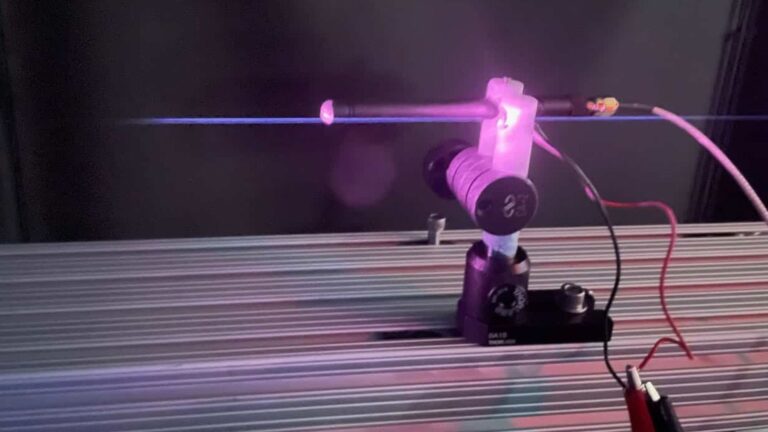
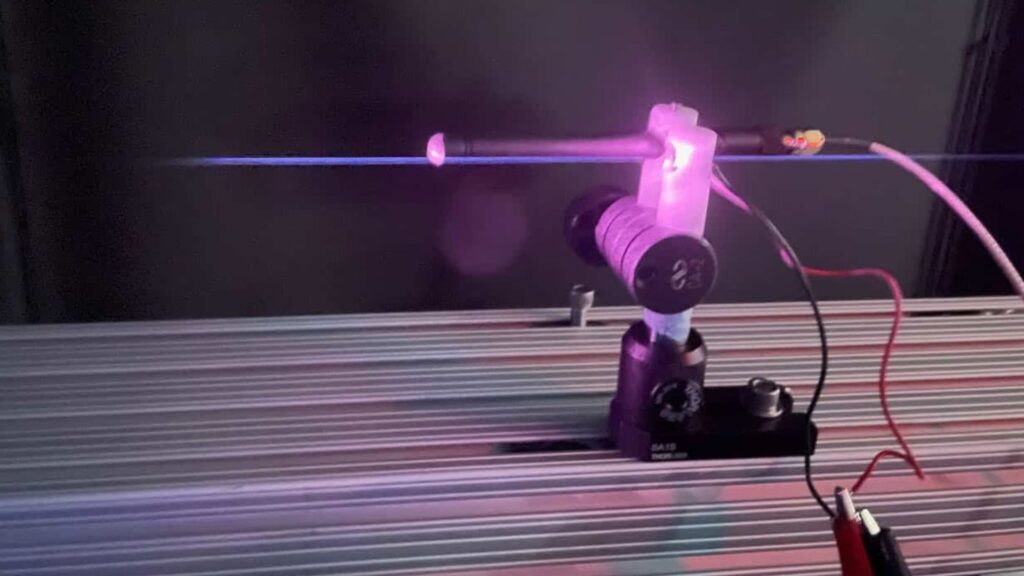
The key challenge has been generating the exact ultraviolet wavelength needed to activate thorium atoms. This wavelength must be extremely precise, around 148.3 nanometres. Producing it has required large and complex laboratory equipment, making practical use difficult.
This is where the new crystal changes the game. The research team designed a fluorinated borate compound that can convert standard laser light into deep ultraviolet light at 145.2 nanometres. This is below the required threshold, indicating it meets the technical requirements for thorium nuclear clocks.
The result is significant because it surpasses earlier materials. For decades, a crystal known as potassium beryllium fluoroborate set the benchmark. Developed in China in the 1990s, it could only reach about 150 nanometres just missing the required mark.
By going beyond this limit, the new crystal opens the door to more practical, compact nuclear clock systems.
Pan Shilie, who led the study, said the work lays the groundwork for real-world applications. His team published their findings in Advanced Materials in January.
WATCH ALSO: Wing expanding drone delivery to additional Walmart stores in US city
The crystal does more than just reach the right wavelength. It also converts light more efficiently. This means a greater portion of the input laser light is converted into usable ultraviolet light. In simple terms, it makes the entire system more effective and easier to operate.
Designing such a material is not easy. The crystal must meet several conditions at once. It needs to allow ultraviolet light to pass through. It must bend light correctly. And it must convert light efficiently. These requirements often conflict with each other.
To solve this, the team used a more focused design method. Instead of relying on trial and error, they carefully adjusted the material’s chemical structure. This allowed them to balance all the necessary properties in one crystal.
Yang Zhihua, a co-author of the study, said the approach brings a new level of precision to material design. He explained that it advances the field by replacing guesswork with a systematic approach.
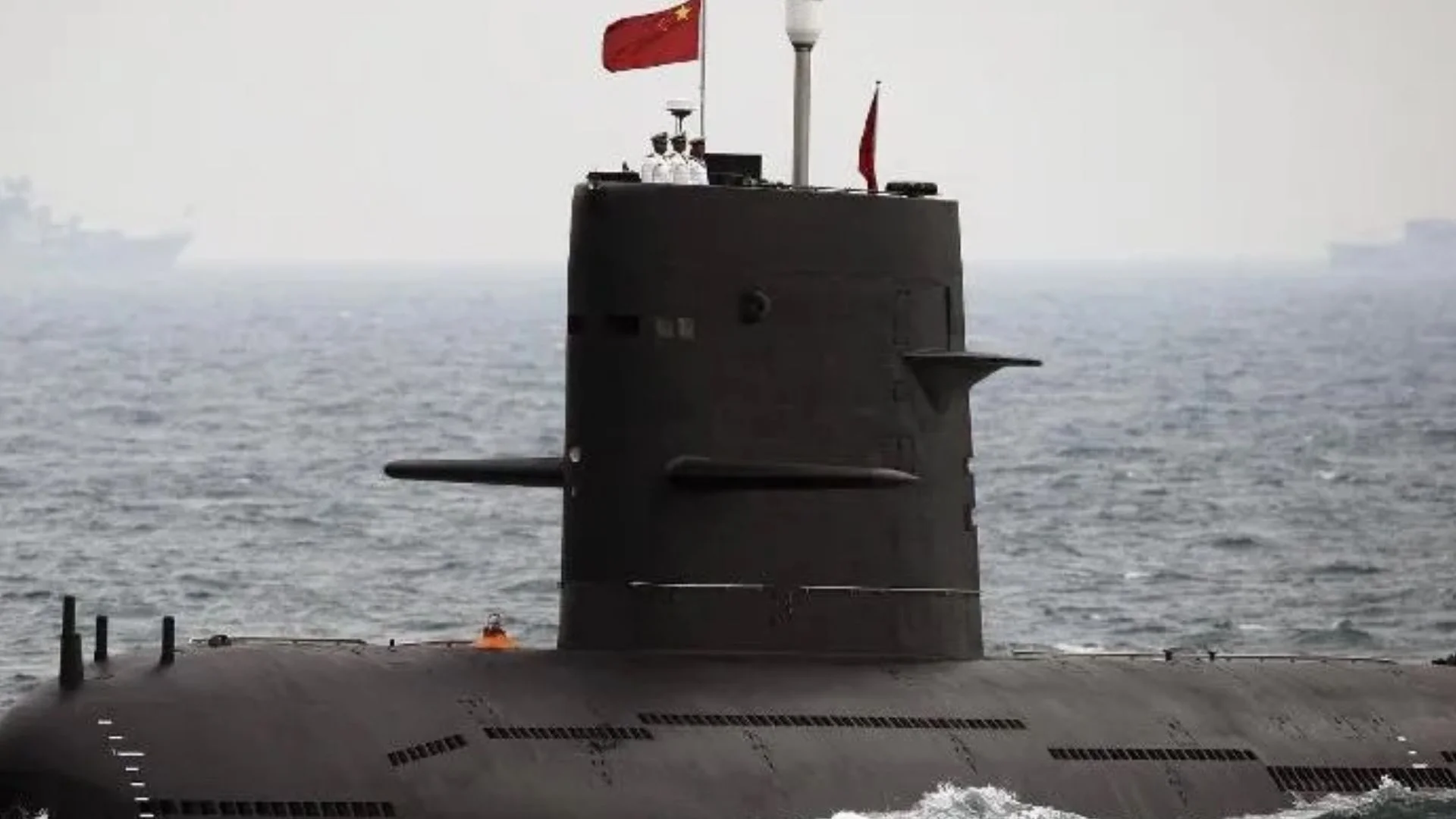
The implications go beyond just one discovery. If scientists can produce this crystal on a large scale, nuclear clocks may no longer remain confined to laboratories. They could become compact devices used in submarines, spacecraft, and other systems that operate without GPS.
READ ALSO: Mystery Launcher Spotted on US Navy Destroyer Raises New Weapon Questions
This development signals a step toward independent navigation systems that do not rely on satellites. In a world where positioning and timing are critical, such technology could reshape both civilian and military operations.
The crystal stands as a small but powerful piece of a much larger future one, where navigation works even in the most unreachable places.