For the first time, a residential battery system is now running on a rooftop in New York City. The installation marks a turning point for home energy storage in one of the world’s most densely populated urban areas.
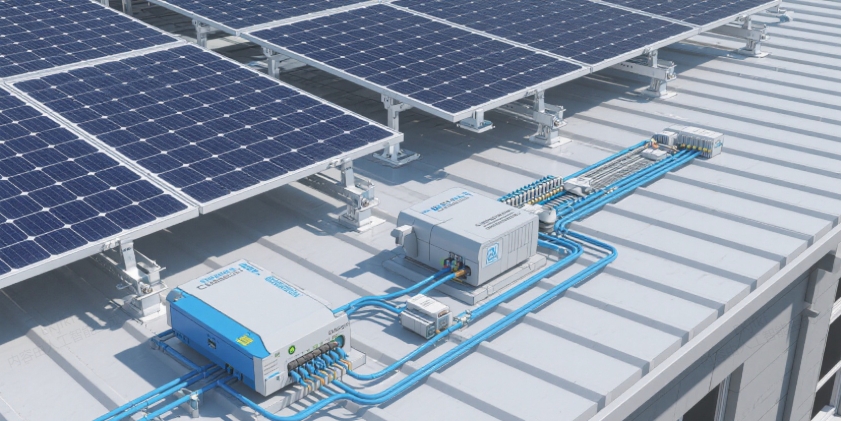
The system was installed by Brooklyn SolarWorks on a residential building in Chinatown. It features a 19.6-kilowatt-hour battery paired with a rooftop solar canopy. This is the first home battery storage system to receive approval and go live within city limits.
Until now, strict safety regulations had prevented such systems from being installed in homes across the city. New York’s fire safety standards are among the toughest in the world, especially when it comes to battery storage.
READ ALSO: Space Dreams Meet Biological Wall: Microgravity Challenges Reproduction Beyond Earth
The project uses the AccESS battery platform developed by Briggs & Stratton. According to the company, the system is designed to produce minimal heat and significantly reduce the risk of thermal runaway, a condition where batteries overheat and become dangerous.
Sequoya Cross, vice president of energy storage at Briggs & Stratton Energy Solutions, says the company’s system is the only residential energy storage solution to receive a Certificate of Approval from the Fire Department of New York. He explains that the design meets strict safety requirements without needing additional cooling or fire suppression systems.
The battery works alongside a solar canopy already installed on the rooftop. This canopy design, developed by Brooklyn SolarWorks, helps maximize solar energy production in limited urban spaces where traditional rooftop systems may not be efficient.
WATCH ALSO: Rolls-Royce tests world’s first high-speed marine engine powered by methanol
The journey to this installation has been long. Brooklyn SolarWorks and Briggs & Stratton spent nearly eight years working with city agencies and fire safety officials to develop and meet the required standards. Their efforts helped shape a clearer approval process for residential battery systems in the city.
This milestone is not just about one building. It creates a path for other homeowners across the five boroughs to consider adding battery storage to their homes.
As energy demand continues to rise, and extreme weather events place more pressure on power systems, the need for reliable, local energy storage is growing. Home batteries can store excess solar energy and provide backup power during outages.
READ ALSO: Inside Pentagon’s Rapid Missile Build-Up That Signals Strategic Shift
By setting a precedent, this project offers a working model for future installations. It shows that even in a city with complex infrastructure and strict regulations, residential energy storage is possible.
What was once limited by policy and safety concerns is now beginning to find space on rooftops, quietly reshaping how cities think about power.