A new study has shed fresh light on one of the oldest relationships in human history, the bond between people and dogs.
By studying ancient DNA, researchers have found that dogs were already living alongside humans more than 14,000 years ago.
The findings, published in the journal Nature, push back confirmed evidence of dog domestication by over 5,000 years. This makes dogs the earliest known domesticated animals, long before farming began.
The research team examined animal remains from archaeological sites in the United Kingdom and Turkey. These remains date back to the Late Upper Paleolithic period, near the end of the last Ice Age.
READ ALSO: Victus Diem: Firefly, Lockheed Help US Space Force Cut Satellite Launch Time to Hours
At sites like Gough’s Cave in England and Pınarbaşı in Turkey, scientists identified bones that belonged not to wild wolves but to early domesticated dogs. This distinction is important but difficult. In the early stages of domestication, dogs and wolves looked almost identical.
Professor Oliver Craig explains that physical differences alone cannot tell the full story. He says early dogs and wolves shared similar features, and behavior does not leave clear traces in the archaeological record. This has made it challenging to pinpoint when dogs first became human companions.
To overcome this, researchers used advanced genetic techniques. Instead of relying on small DNA fragments, they reconstructed entire genomes from remains that are over 10,000 years old. They then compared these genomes with data from more than 1,000 modern and ancient members of the canine family.
The results showed that dogs were already widespread across Europe and parts of western Asia at least 14,000 years ago. This suggests that the human-dog relationship had already formed and spread across different regions by that time.
Scientists at the University of York also explored how these early dogs lived with humans. They conducted a dietary study by analyzing chemical markers in bones. These markers, known as carbon and nitrogen isotopes, reveal what an animal ate over a long period of time.
WATCH ALSO: China’s new massive battle tank takes part in live-fire test
Lizzie Hodgson says one of the most striking findings came from Pınarbaşı. She explains that dogs’ diet closely matches that of humans, especially in their consumption of fish. This detail is significant.
Dogs are unlikely to have caught large amounts of fish on their own. This suggests that humans were feeding them directly. It points to a close, cooperative relationship rather than a distant or accidental association.
The study also found similar evidence across other parts of Europe. According to William Marsh, remains from Germany, Italy, and Switzerland confirm that dogs were already widespread. This shows that early dogs were not confined to a single region but were part of multiple human communities.
These communities included hunter-gatherer groups such as the Epigravettian and Magdalenian cultures. The presence of dogs among these groups suggests that they played a role in daily life, although their exact functions remain unclear.
Further genetic analysis revealed another key insight. Early dogs were more closely related to the ancestors of modern European and Middle Eastern breeds than to those of Arctic breeds. This indicates that major dog lineages had already begun to form around 15,000 years ago.
READ ALSO: No Chemicals, 90% Cleaner: How Sound Waves Turn Bubbles Into Powerful Scrubbers
Lachie Scarsbrook says this shows that dogs with different ancestries were already present across Eurasia. From western regions like Somerset to Siberia, dogs had become part of human societies.
The study also raises an important possibility. Dogs may have been domesticated much earlier than any other animals or plants. This places them at the very beginning of human efforts to shape and live alongside other species.
Beyond survival, there are signs that dogs held a deeper meaning. Evidence from some sites suggests that dogs were intentionally buried. This points to emotional or cultural connections between humans and their canine companions.
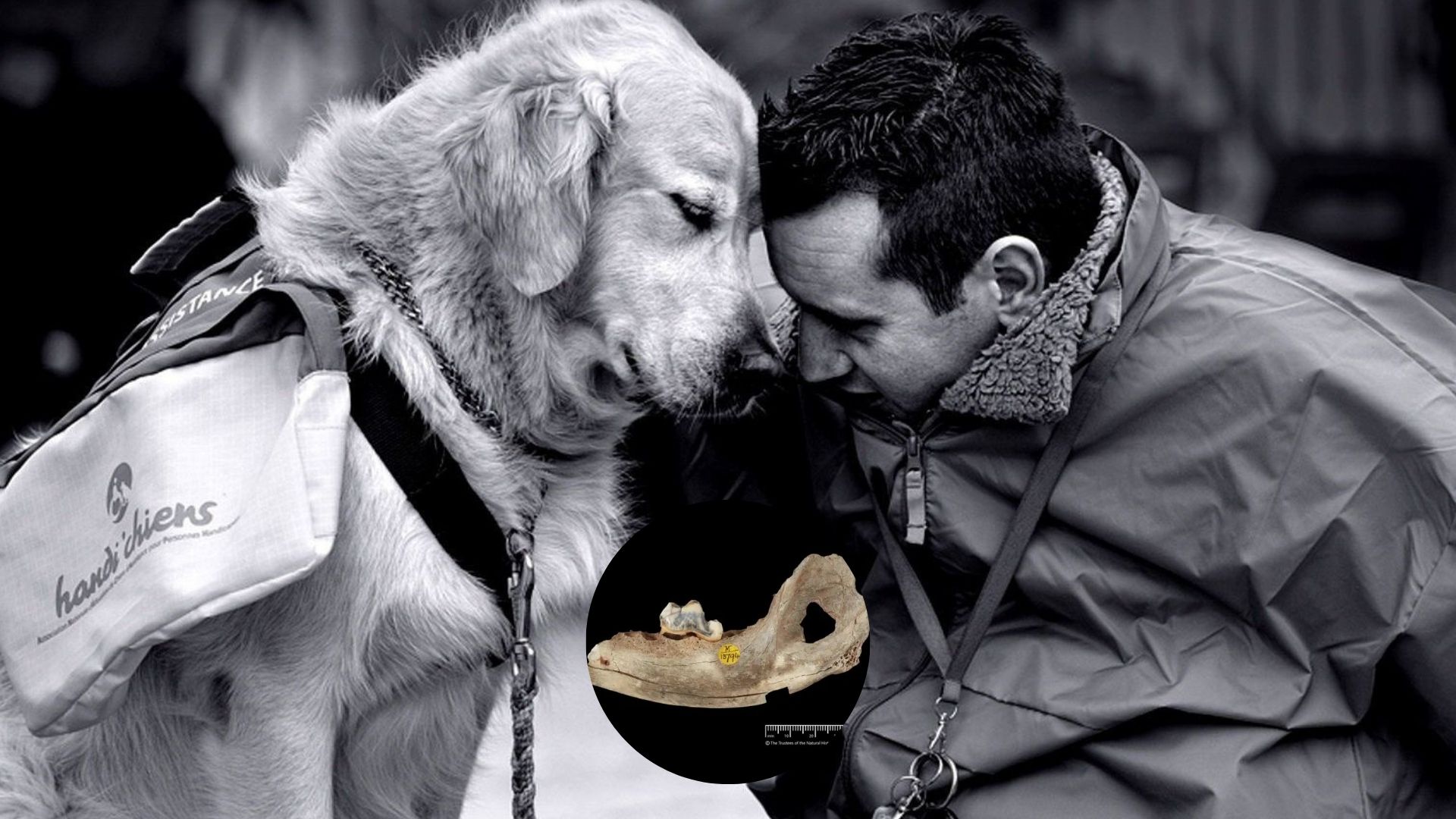
One notable discovery is a dog jawbone from Gough’s Cave, dated to around 15,000 years ago. It is now considered the earliest known domesticated dog in the United Kingdom.
READ ALSO: SLED Air Defense Plan Signals a New Shift in US Army Combat Strategy
Sophy Charlton says the study reveals the early stages of a bond that still exists today. She explains that this relationship began during the closing phase of the Ice Age and went on to shape the development of modern dog breeds.
The research offers a clearer picture of how humans and dogs came together. It shows that this partnership is not just ancient; it is deeply rooted in shared survival, cooperation, and connection.
What began as a quiet association during the Ice Age has grown into one of the most enduring relationships in human history.