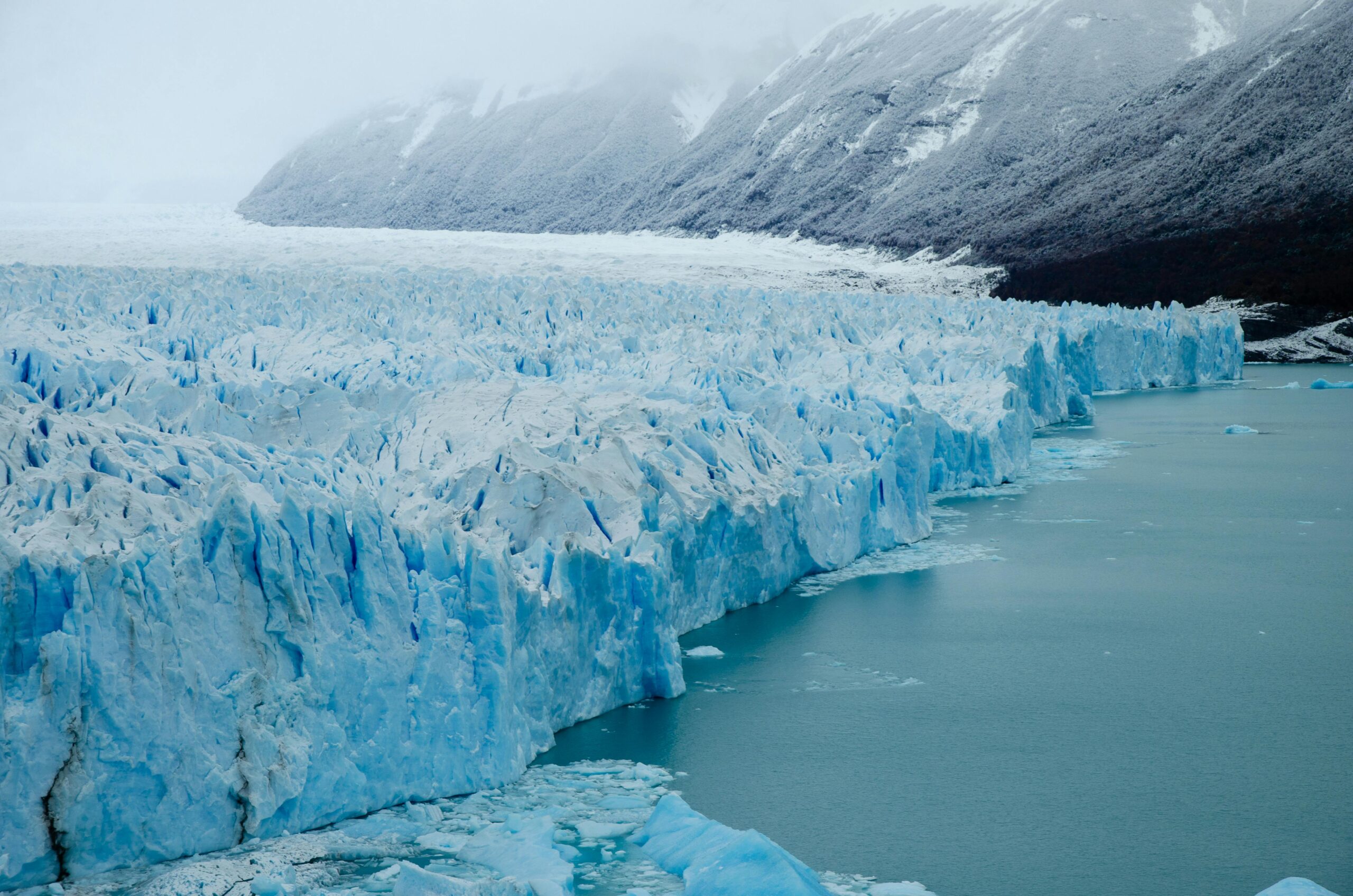
Scientists from the University of Edinburgh have found that Antarctica’s Thwaites Glacier could lose ice at a rate matching the entire continent’s current annual loss within four decades. Using satellite data to calibrate ice sheet models, the team projects the glacier could shed 180–200 gigatonnes of ice per year by 2067—a dramatic acceleration that would significantly raise global sea levels.
The research, published in Geophysical Research Letters, shows that Thwaites Glacier is already changing faster than scientists expected. It currently loses ice more than five times faster than in the 1990s as warm ocean water melts it from below. The glacier drains a massive area of West Antarctica into the Amundsen Sea, and its imbalance between ice loss and snowfall drives its contribution to sea level rise.
Predicting exactly how much ice Thwaites will lose in coming decades is difficult because scientists must rely on computer models. These models simulate ice flow, ocean melting, and surface changes, but they need real-world data to work correctly. The new study reveals that how scientists calibrate these models against satellite observations dramatically changes future projections.
READ ALSO: https://modernmechanics24.com/post/military-ai-boom-startups-defense-tech/
The team trained models using two different types of satellite measurements. Models calibrated with surface elevation data—tracking how the glacier’s height drops over time—projected the largest future ice losses. Those calibrated with ice velocity data alone produced lower, more stable rates. The models matching elevation changes most consistently aligned with recent observed thinning patterns. The research also shows thinning spreading inland along deep troughs beneath the glacier, revealing areas especially vulnerable to continued melt.
These findings help scientists identify where and how fast Thwaites Glacier could retreat. The deep troughs beneath the ice are signs of marine ice sheet instability—a process where glaciers resting on downward-sloping beds become harder to slow once melting starts. Understanding these vulnerable zones helps researchers predict which parts of Antarctica could change fastest as oceans warm.
The projections represent possibilities rather than certainties. Future climate conditions and ocean warming will shape actual outcomes, and models calibrated with different data types produce varying results. The research shows that getting the model calibration right matters enormously, and better observations from satellites will help reduce uncertainties. Scientists also need more data on how warm ocean water interacts with ice from below.
WATCH ALSO: https://modernmechanics24.com/post/china-military-modern-exercise/
Thwaites Glacier holds enough ice to raise global sea levels by about 65 centimeters if it fully collapses. Even a fraction of that would worsen coastal flooding, intensify storm surges, and threaten low-lying cities worldwide. The Antarctic ice sheet currently loses roughly 135–150 gigatonnes per year total. If Thwaites alone reaches 180–200 gigatonnes annually by 2067, sea level rise could accelerate faster than current projections assume, giving coastal communities less time to adapt.