Oak Ridge National Laboratory has developed a nuclear fuel to reshape the future of light water reactors, the backbone of America’s nuclear energy fleet.
The fuel is named as ULIMES, short for Uranium Dioxide Liquid Metal Suspension. The design reimagines how fuel behaves inside a reactor core, aiming to enhance efficiency, improve safety margins, and lower long-term maintenance costs.
Light water reactors account for the vast majority of operating nuclear power plants in the US. These reactors typically rely on solid uranium dioxide pellets stacked inside fuel rods. While the design has proven reliable for decades, researchers say it uses only a small fraction of uranium’s full energy potential. ULIMES proposes a bold alternative.
Instead of fixed pellets, the ULIMES concept suspends uranium dioxide particles in liquid metal, creating a circulating fuel system. This liquid-metal suspension flows through the reactor core, dramatically improving heat removal compared with traditional solid fuel assemblies.
READ ALSO: https://modernmechanics24.com/post/ai-neuro-tech-with-menstrual-cycle/
By enhancing cooling performance, ULIMES allows reactors to operate more efficiently and potentially extract more energy from each unit of uranium fuel.
“ULIMES bridges today’s reactors with tomorrow’s technologies, using proven materials to provide next-generation performance without next-generation construction costs,” said Ian Greenquist of ORNL.
The concept remains compatible with materials already used in existing light water reactor infrastructure, reducing the need for entirely new plant designs.
Why Nuclear Fuel Is Energy-Dense
Nuclear fuel is already one of the most energy-dense sources of power available. A single uranium dioxide pellet can generate more energy per mass unit than most fossil fuels.
Modern nuclear reactors operate at high-capacity factors, often running between 330 and 350 days per year with minimal downtime.
This reliability makes nuclear energy a critical source of baseload electricity, particularly for high-demand sectors such as data centers, advanced manufacturing and essential infrastructure.
However, conventional fuel designs typically use only 3% to 5% of uranium’s potential energy. Improving fuel chemistry and structure could significantly increase that utilization rate.
WATCH ALSO: https://modernmechanics24.com/post/china-new-massive-battle-tank-live-fire/
Enhancing Efficiency Through Better Heat Transfer
One of the central challenges in nuclear reactor design is managing heat. Excessive temperature spikes can strain materials and reduce safety margins. ULIMES addresses this by improving how heat moves away from the fuel.
Liquid metal, known for its high thermal conductivity, allows for faster, more uniform heat distribution. By circulating the fuel mixture through the core, the design reduces localized hot spots and broadens operating margins.
Except for ULIMES, ORNL researchers are investigating advanced ceramic fuels, composite designs such as TRISO particles, metallic fuels, and ceramic-metal combinations. These materials aim to improve microstructure stability, enhance heat conduction and lower the risk of adverse events.
Researchers are also exploring advanced cladding materials and innovative manufacturing methods to increase accident tolerance.
Science Behind Advanced Fuels
Traditional uranium dioxide fuel has decades of operational data supporting its reliability. But advanced reactors require materials capable of withstanding even harsher environments, including higher temperatures and more corrosive conditions.
READ ALSO: https://modernmechanics24.com/post/f16-angry-kitten-ew-middle-east-pods/
Next-generation fuels such as uranium nitride and uranium carbide offer improved heat transfer and higher uranium density. However, fabricating these materials poses significant challenges. They react easily with oxygen and moisture, requiring tightly controlled manufacturing atmospheres and precise composition management.
During irradiation, when fuel is bombarded by neutrons inside a reactor, these materials can swell, release gases and undergo microstructural changes. Limited long-term experimental data exist to fully validate their behavior under extended exposure.
Addressing these uncertainties is critical to ensuring safe and predictable reactor performance.
Traditionally, qualifying new nuclear fuels can take decades due to rigorous testing and regulatory review. ORNL is working to accelerate this process using an integrated research framework.
The laboratory conducts tightly controlled fabrication and characterization. It is followed by targeted irradiation experiments, such as the MiniFuel campaigns at ORNL’s High Flux Isotope Reactor. Advanced computational modeling and data analytics complement physical testing, allowing researchers to predict performance and identify risks earlier in development.
By combining experimental data with multiscale modeling, scientists aim to shorten qualification timelines while maintaining strict safety standards.
Advances in fuel design directly enable innovation in reactor architecture. With more efficient and resilient fuels, developers can pursue smaller, modular reactors tailored to diverse applications,including remote communities, industrial sites, microgrids and even space missions.
Rather than relying solely on large, centralized power plants, future nuclear deployment could include flexible systems tailored to specific energy demands.
Faster qualification processes and modular manufacturing could also reduce overall costs, expanding nuclear power’s reach to regions that previously lacked the infrastructure for traditional large-scale reactors.
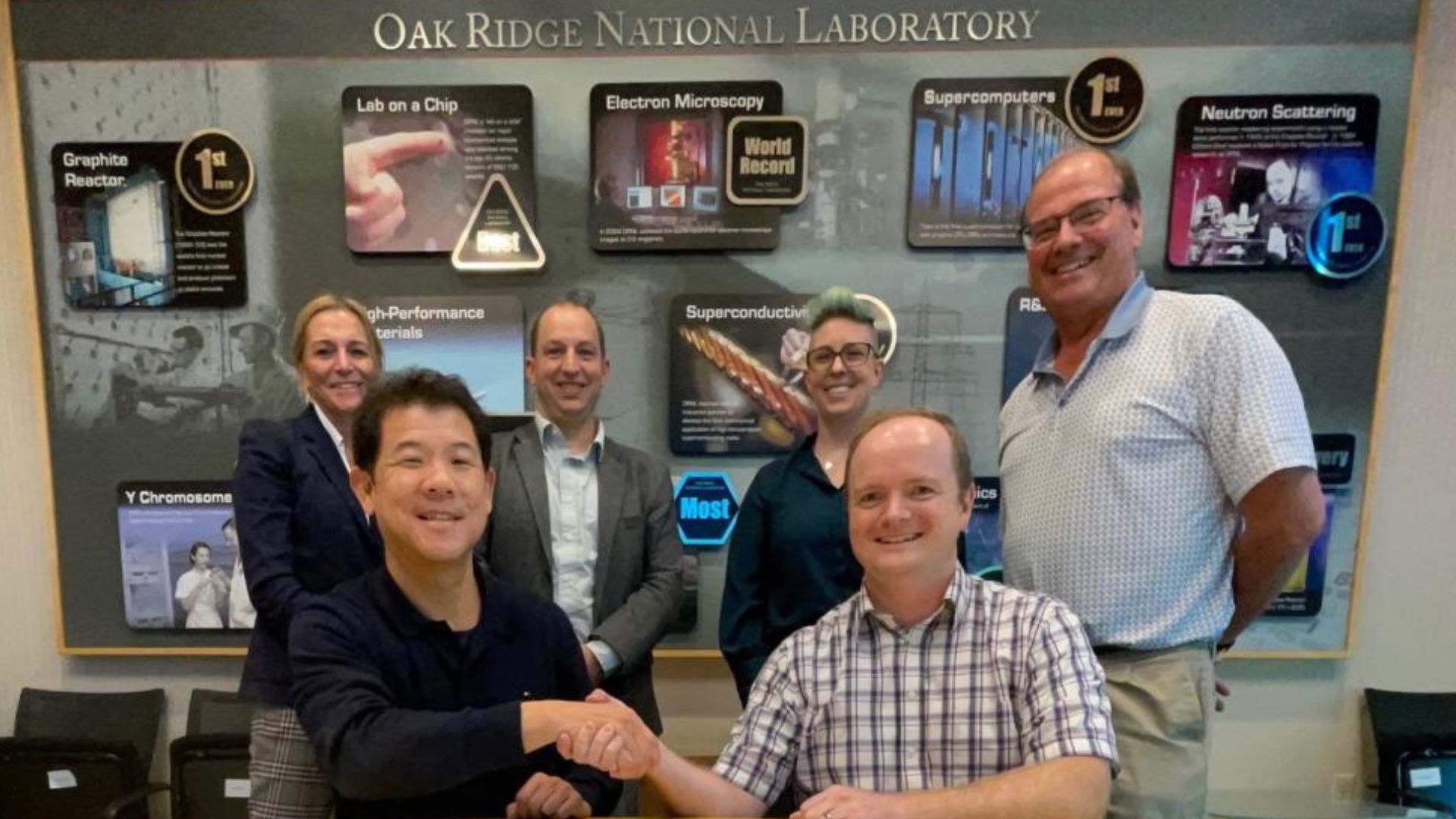
To support continued ULIMES development, ORNL has signed a research license agreement with Australian investment firm Out The Back Ventures. The agreement will fund additional research into the concept, helping move the design closer to potential commercialization.
The laboratory is managed by UT-Battelle for the US Department of Energy’s Office of Science, which remains the nation’s largest supporter of basic research in the physical sciences.
WATCH ALSO: https://modernmechanics24.com/post/ula-atlasv-amazon-leo-success/
Why ULIMES Matters Now
As global energy demand rises and nations seek low-carbon power solutions, nuclear energy remains a critical part of the conversation. However, improving cost efficiency, operational safety and public confidence remains essential.
ULIMES offers a pathway to modernizing light water reactors without requiring entirely new construction paradigms. By leveraging proven materials while integrating advanced fuel dynamics, the concept represents a bridge between established nuclear infrastructure and future innovation.
The question now is whether liquid metal–based fuel systems can meet the rigorous testing and regulatory milestones required for deployment.
In the future, ULIMES could mark a significant evolution in nuclear reactor power generation. It would unlock greater efficiency, enhanced safety and expanded applications for clean, reliable energy. In an era where energy resilience and sustainability are top priorities, innovations like ULIMES may help redefine how the world powers its future.