The US Navy has officially approved Raytheon’s advanced StormBreaker smart weapon for operational use across its F/A-18E/F Super Hornet fleet.
The clearance allows frontline Super Hornet squadrons to deploy the precision-guided weapon in active missions. It enhances the Navy’s ability to strike both moving and stationary targets in complex battlefield settings.
The announcement highlights the Pentagon’s push to equip carrier-based aircraft with next-generation munitions that can operate in all weather conditions.
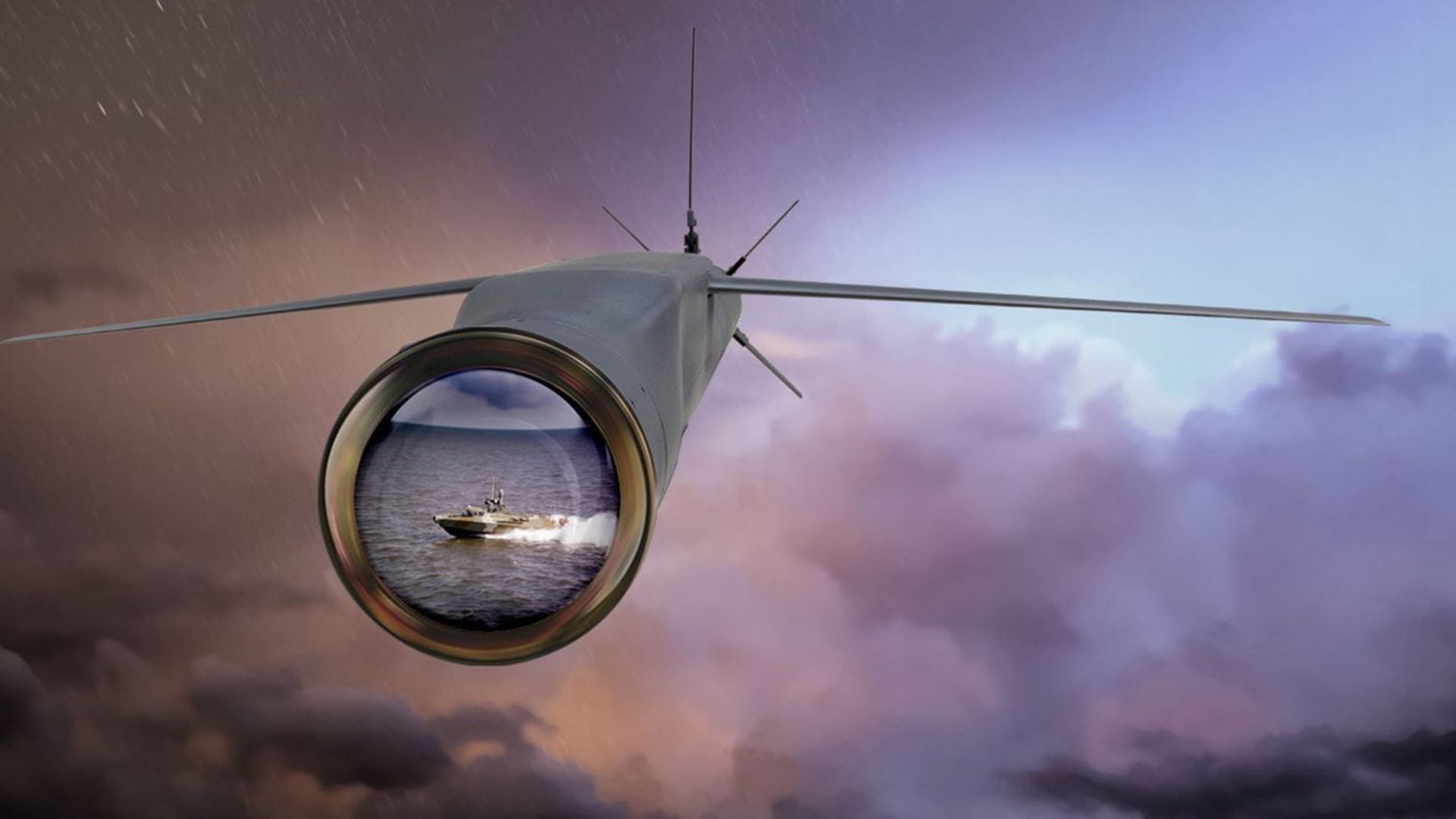
StormBreaker, developed by Raytheon, is part of RTX’s defense portfolio. It is currently the only operational air-launched smart weapon designed to engage dynamic and fixed targets on land or at sea. It works perfectly even in low visibility and adverse weather. Its inclusion into the Super Hornet fleet significantly expands the aircraft’s mission versatility.
READ ALSO: https://modernmechanics24.com/post/china-printed-3d-objects-in-0-6-seconds/
Why Does StormBreaker Matter?
While traditional precision-guided bombs rely on a single guidance method, StormBreaker combines multiple targeting technologies. This multi-mode capability enables it to identify, track, and strike moving vehicles, maritime threats, or stationary targets, regardless of environmental conditions such as fog, dust, rain, or darkness.
Its compact size adds more advantages. A single Super Hornet can carry more StormBreaker weapons than larger munitions. It increases the number of targets it can neutralize in a single sortie. For carrier strike groups operating in contested environments, that means more firepower with fewer aircraft deployments.
“The Super Hornet plays a key role in the Navy’s air combat strategy and equipping it with StormBreaker increases the aircraft’s lethality by allowing precision strike in all weather conditions,” said Sam Deneke, president of Air & Space Defense Systems at Raytheon. “StormBreaker’s accuracy and versatility give operators the upper hand in the most degraded environments, making sure they can complete the mission and return home safely.”
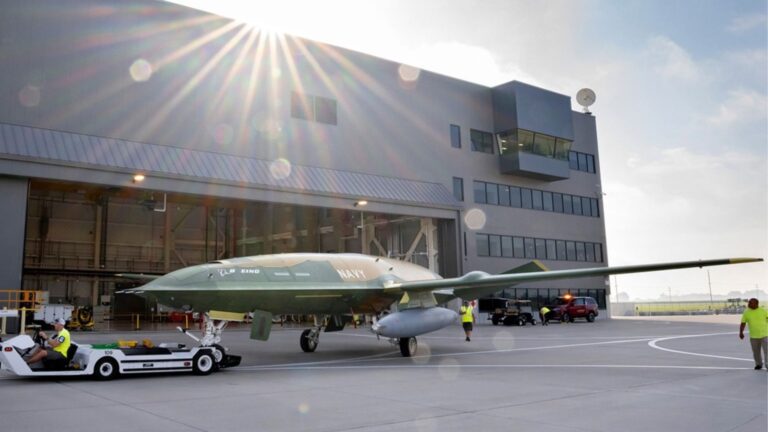
The F/A-18E/F Super Hornet functions as the backbone of the Navy’s carrier-based strike capability. From air superiority missions to close air support and maritime strike operations, the aircraft has long been a multi-role platform.
WATCH ALSO: https://modernmechanics24.com/post/humanoid-robot-towel-task/
In 2023, the Super Hornet became the first US Navy aircraft to carry StormBreaker in a combat-ready configuration. According to defense officials, the weapon has demonstrated strong performance in operational settings, reinforcing confidence in its reliability and effectiveness.
Now, with full fleet approval, StormBreaker transitions from limited integration to broad operational deployment, expanding its availability across naval air wings.
StormBreaker is not limited to naval aviation. The weapon is already approved for use on the US Air Force’s F-15E strike aircraft and continues integration efforts on the F-35A, F-35B, and F-35C platforms.
This multi-platform compatibility strengthens joint force interoperability and ensures that multiple branches of the military can leverage the same advanced strike technology.
Defense analysts say this type of standardization reduces logistical complexity and increases combat flexibility in coalition operations.
Raytheon has remained a cornerstone of US defense innovation for more than a century. The company specializes in integrated air and missile defense systems, smart weapons, high-tech sensors, radar systems, and space-based technologies.
READ ALSO: https://modernmechanics24.com/post/spot-robot-at-st-engineering-mras/
RTX continues to invest heavily in next-generation aerospace and defense technologies to address evolving global security challenges.
The Navy’s approval of StormBreaker underscores a broader modernization effort to maintain air superiority and strike dominance in contested regions. As possible adversaries develop advanced air defense systems and electronic warfare capabilities, precision weapons that can operate in degraded environments become increasingly critical.
By reducing the time aircrews must remain in high-threat zones and permitting rapid engagement of mobile targets, StormBreaker improves both mission success rates and pilot survivability.
Naval forces face complex battlefields across land and sea. The integration of all-weather, multi-target smart weapons may change how carrier air wings conduct future operations.