The United States Marine Corps is giving its aging F/A-18C/D Hornet jets a major upgrade. The fighter will now use the Advanced Precision Kill Weapon System II (APKWS II) as a low-cost air-to-air weapon against drones and cruise missiles. The move could reduce missile costs by over 90% per shot compared to traditional air-to-air missiles.
The news was first reported by The War Zone (TWZ). A Marine Corps spokesperson confirmed that the Legacy Hornet is receiving its “final fit” upgrades to improve lethality and survivability.
Modern air battles are changing. Instead of only facing enemy jets, U.S. forces now deal with large waves of drones and cruise missiles. These attacks can overwhelm even advanced fighter aircraft.
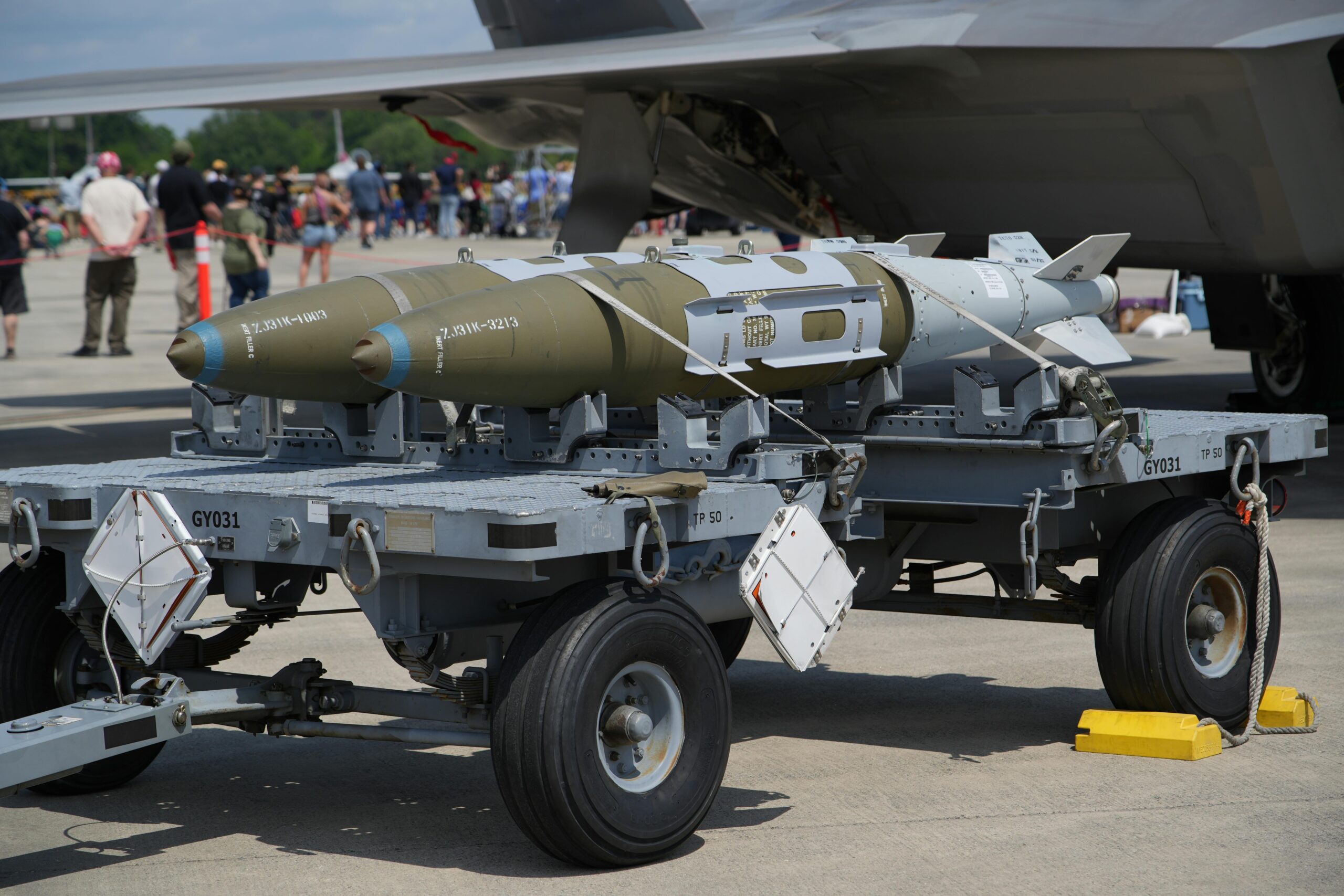
The APKWS II was originally designed as an air-to-ground rocket. Marines already use it to strike targets on land. Now, the Corps is adapting it for air-to-air combat.
This air-to-air version is called AGR-20F, also known as FALCO. It includes a proximity fuse and updated guidance software. These changes help the rocket explode close to airborne targets like drones.
READ ALSO: https://modernmechanics24.com/post/porsche-cayenne-electric-production-starts/
The idea is simple. Use a low-cost rocket to shoot down low-cost drones. Traditional air-to-air missiles are very expensive. An AIM-9X Sidewinder costs about $450,000 each. An AIM-120 AMRAAM (Advanced Medium Range Air-to-Air Missile) can cost around $1 million.
In comparison, an APKWS II guidance kit costs between $15,000 and $20,000. The 70mm rocket motor costs about $1,000 to $2,000. Even with a warhead added, the total cost is far lower than a Sidewinder.
This means Marines can shoot down many more drones without burning through high-value missiles. According to reporting by The War Zone (TWZ), cost savings and increased “magazine depth” are key reasons for the upgrade.
Traditional air-to-air missiles take up valuable space under the wings. A Legacy Hornet can carry up to 12 air-to-air missiles, but many mounting points are often used for fuel tanks or sensors.
APKWS II rockets are carried in seven-shot pods. Replacing one missile with one pod instantly gives a pilot six extra engagement chances.
Multiple pods can be carried on certain pylons. That means even more drones can be taken down in a single mission.
Recent conflicts have shown why this matters. During Iranian drone and missile attacks on Israel in April 2024, American fighters reportedly had to land and rearm while threats were still in the air. Large drone swarms can quickly drain missile supplies.
WATCH ALSO: https://modernmechanics24.com/post/ula-atlasv-amazon-leo-success/
The upgrade works even better because Marine Hornets are also receiving the AN/APG-79(V)4 radar.
This is an Active Electronically Scanned Array (AESA) radar. It can scan faster, see farther, and detect smaller targets like drones more clearly than older radar systems.
Better radar detection means better targeting for APKWS II rockets.
The current air-to-air APKWS II still needs laser guidance. That means the target must be “painted” with a laser during the entire engagement. This can slow down how quickly a pilot can switch from one drone to another.
However, manufacturer BAE Systems is working on a new dual-mode guidance system. It will add an infrared seeker to give the rocket a near “fire-and-forget” ability.
Still, APKWS II is not meant for dogfights. It is designed to shoot down slower drones and subsonic cruise missiles — not fast fighter jets.
This upgrade keeps the aging F/A-18C/D Hornet relevant in modern warfare.
It gives the United States Marine Corps:
• More shots per mission
• Lower cost per engagement
• Better defense against drone swarms
• Improved survivability
As drone warfare grows worldwide, cheaper air defense solutions are becoming essential. The Marine Corps’ decision may influence other services and even allied nations to adopt similar upgrades.