Scientists identified possible locations of the Soviet Union’s historic Luna 9 spacecraft, which became the first human-made object to successfully land on the Moon in 1966.
The mission made history on February 3, 1966, when Luna 9 touched down on the Moon’s surface and sent back the first photographs from another celestial body.
While the landing was a breakthrough moment in space exploration, the exact resting place of the spacecraft has remained uncertain for decades.
Now, a team led by Lewis Pinault from University College London has developed a machine learning tool to search for the missing lander.
Their findings were published in the journal npj Space Exploration.
The researchers created an artificial intelligence system called You Only Look Once—Extraterrestrial Artifact (YOLO-ETA).
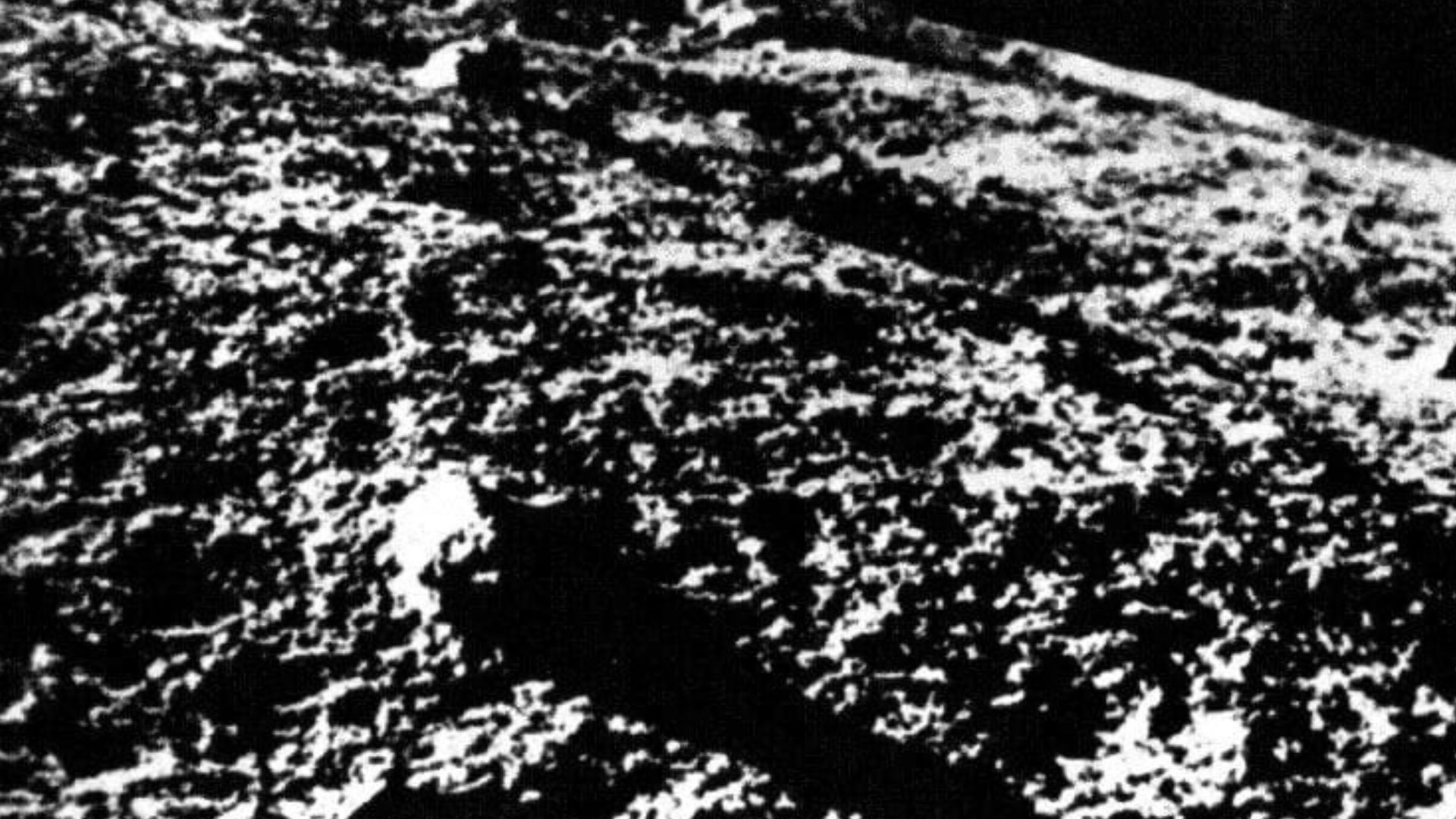
The algorithm scans high-resolution images of the Moon captured by NASA’s Lunar Reconnaissance Orbiter (LRO).
NASA launched LRO in 2009 to map the Moon’s surface in detail. Scientists believed it would help locate old spacecraft such as Luna 9.
However, outdated landing calculations and the probe’s bouncing touchdown made the search difficult.
Luna 9 did not land smoothly. It deployed a spherical capsule with inflatable shock absorbers. It fired a braking engine before hitting the lunar surface in the Oceanus Procellarum region. The craft bounced several times before settling and opening four petal-shaped panels. It worked for three days before its batteries died.
The lander may have ended up miles from its planned landing site due to a chaotic landing, experts said.
Pinault’s team programmed YOLO-ETA to detect small surface disturbances that could indicate the presence of human-made objects.
The system analyzed hundreds of LRO images, scanning a 5-by-5-kilometer (3-by-3-mile) area where Soviet scientists originally estimated Luna 9 had landed.
Initially, the researchers tested the algorithm at other known lunar landing sites before testing on the Luna 9 site. When they applied it to the location of the Soviet Luna 16 mission, the system demonstrated high accuracy in identifying spacecraft remnants.
After scanning the target zone for Luna 9, the AI narrowed the search to several possible spots. Each location shows signs of artificial soil disturbance. It could match debris or marks left by the spacecraft’s landing.
To confirm whether Luna 9 is truly there, these areas require detailed inspection.
Why It Matters?
Finding Luna 9 would represent a major step forward in “space archaeology,” a growing field that studies human-made objects beyond Earth.
Locating old spacecraft helps scientists understand early landing technology. It can showcase the long-term effects of the lunar environment on human-made materials. It also improves mapping accuracy for future missions.
India’s Chandrayaan-2 mission, scheduled to launch in March 2026, is expected to fly over the same lunar regions identified by YOLO-ETA. Its instruments could provide sharper images and possibly confirm the lander’s exact position.
The United States may have landed astronauts on the Moon in 1969, but the Soviet Union reached the lunar surface first with Luna 9. Rediscovering the probe would highlight a key milestone in the history of the space race.
As space agencies prepare for new lunar missions. It plans for long-term Moon exploration. For this reason, understanding past missions is extremely important.
The effort to find Luna 9 shows how artificial intelligence and modern technology are helping solve mysteries from the earliest days of space exploration.
After six decades, the first spacecraft to land on the Moon may soon be found again through advanced AI scanning and renewed scientific interest in humanity’s lunar past.