At Michigan’s Eagle Mine, the only active nickel mine in the US, startup Allonnia is deploying a fermentation-derived broth to salvage metal from dwindling ore. This move highlights a growing wave of biotechnology firms, including Endolith and 1849, aiming to solve a critical shortage: extracting the copper, nickel, and rare earth elements vital for EVs and renewables from aging mines and waste piles, using nature’s own tools.
The clean energy transition has a dirty, hidden secret: it’s incredibly hungry for metals. Building electric vehicles, wind turbines, and data centers requires mountains of copper, nickel, and rare earth elements. But the world’s easiest-to-reach, high-quality ore bodies are already tapped. Mining companies are now staring down a stark choice: find new, often environmentally sensitive deposits, or figure out how to squeeze more metal from what they’ve already got. A growing cadre of biotech innovators believes the answer isn’t in bigger drills, but in trillions of microscopic allies.
The product these companies are developing—using microbes or their byproducts—solves the pressing problem of economic metal recovery from low-grade ores and mining waste. It’s a high-tech form of recycling, turning what was once considered worthless rock or leftover slag into a valuable resource. At its core, the basic function of this biomining is to deploy biological agents that selectively break down ore, separating the target metal from the surrounding rock with less energy and fewer harsh chemicals than traditional methods.
READ ALSO: https://modernmechanics24.com/post/humanoid-robot-100km-walk-across-china/
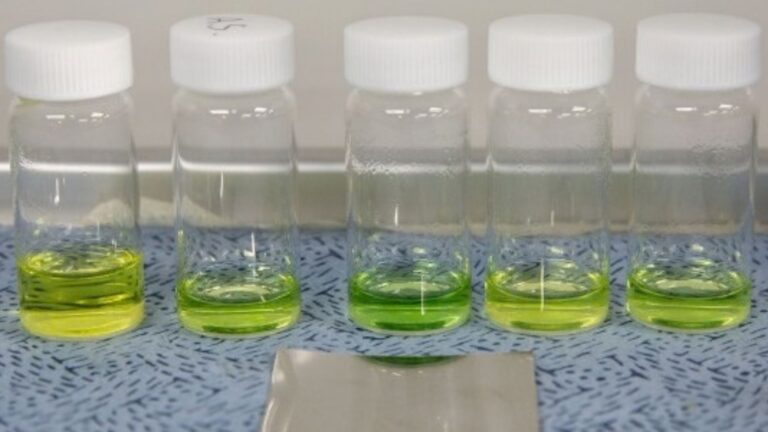
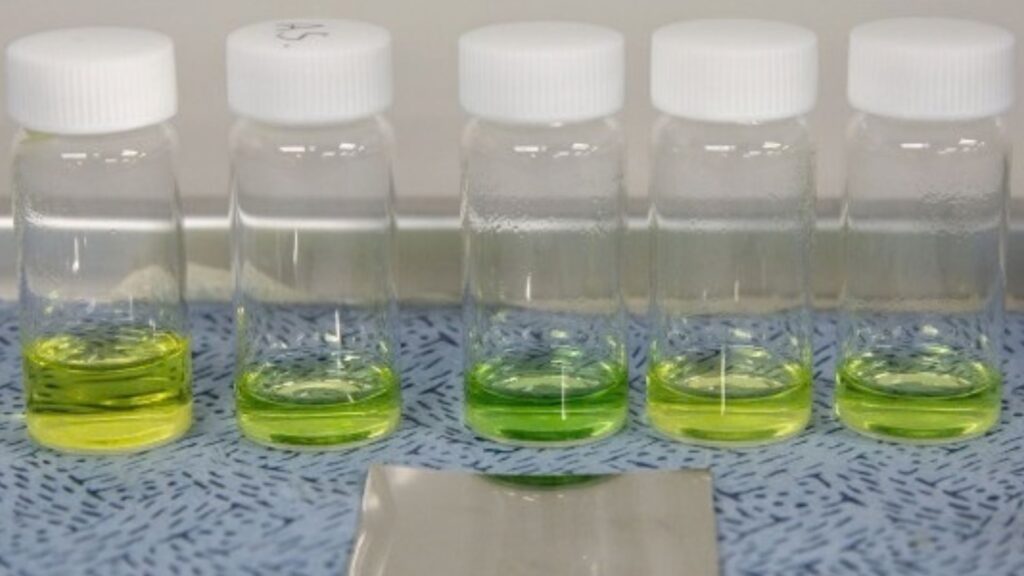
The approach isn’t entirely new. The mining industry has used “bioleaching” with bacteria for decades, mainly for copper. But today’s startups are supercharging this natural process with modern tools. At the Eagle Mine in Michigan, startup Allonnia is taking a product-based approach. They’ve installed shipping containers at the mill where a specially crafted broth, derived from fermentation, is mixed with ore. Kent Sorenson, Allonnia’s Chief Technology Officer, explains the logic: “The low-hanging fruit is to keep mining the mines that we have.” Their broth captures impurities, allowing nickel production to continue even as ore quality declines.
Other companies are betting on managing live microbes directly. Endolith, led by CEO Elizabeth Dennett, acts as a microbial diagnostician for copper mines. By analyzing DNA and RNA from the fluids in ore heaps, they can identify which bacteria are present and then seed the piles with optimized microbial communities to boost extraction. Dennett notes the recent shift, “The technology we’re using now didn’t exist a few years ago.” While their lab tests for mining giant BHP show promise, the path to the mine face is steep.
WATCH ALSO: https://modernmechanics24.com/post/happy-new-year-2026-from-iss/
This highlights a central limitation for the entire field: the daunting challenge of scaling a delicate biological process to the massive, rugged environment of a commercial mine. Corale Brierley, a veteran bioleaching engineer, voices the industry’s skepticism: “What guarantees are you going to give the company that those organisms will actually grow?” Mining is a business of precision and predictability, where a new hose fitting is a major decision. Introducing living, variable ecosystems into this controlled chaos is a hard sell, requiring years of data and pilot tests, as seen with Rio Tinto’s Nuton subsidiary, which has worked for decades to bring its bioleaching blend to a single Arizona mine.
Despite the hurdles, the potential reward is driving bold innovation. The overall summary and value proposition of biomining is its potential to create a more sustainable, domestic, and circular supply chain for critical metals, reducing the need for new mine openings and turning waste into strategic assets. Startups are pushing boundaries to unlock this value. 1849 is pursuing a “moonshot bet,” as CEO Jai Padmakumar calls it, by genetically engineering microbes for higher performance. Others, like REEGen, avoid the risks of live microbes by using only the organic acids produced by engineered bacteria, applying a consistent biochemical product instead.
READ ALSO: https://modernmechanics24.com/post/sea-star-show-robot-inspiration-brains/
The innovators imagining these solutions are startup founders and CEOs like Allonnia’s Kent Sorenson and Endolith’s Elizabeth Dennett, while the engineers building them are the microbiologists and geneticists at labs in Cornell and beyond, like Professor Buz Barstow, who is mapping genes for wider metal extraction. Their collective work is a race against time and demand. As analyst Diana Rasner of Cleantech Group points out, convincing the conservative mining industry is a slow process, and venture-backed biotech firms crave faster returns.
Reported by MIT Technology Review, this biomining revolution is still in its early, gritty pilot phase. But the imperative is clear. With demand for metals skyrocketing, the ability to get more from less isn’t just an economic advantage—it’s an environmental and strategic necessity. The tiny, relentless power of microbes might just be the force that helps clean tech truly clean up its act.