New Cosmic Clue: ‘Sun Goddess’ Particle Mystery Deepens in Space
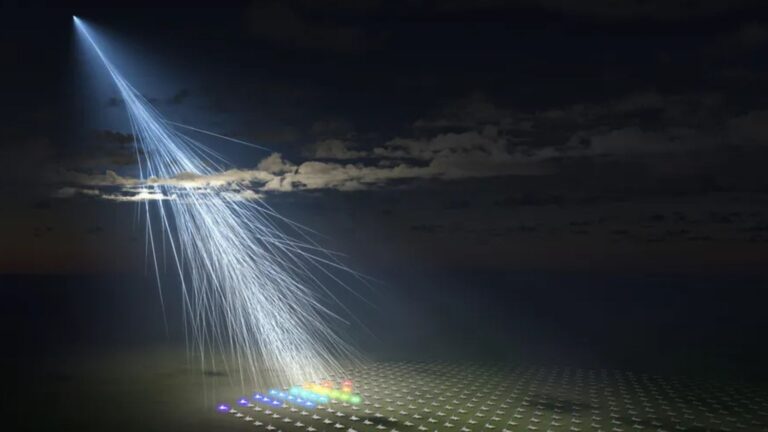
A mysterious ultra-high-energy cosmic ray, known as the ‘Sun Goddess’ particle, is puzzling scientists worldwide. Officially called the Amaterasu particle,
A mysterious ultra-high-energy cosmic ray, known as the ‘Sun Goddess’ particle, is puzzling scientists worldwide. Officially called the Amaterasu particle,
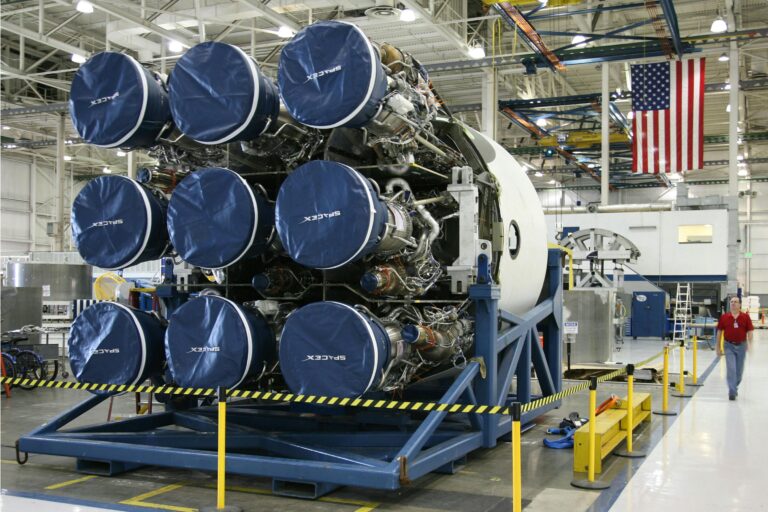
ArianeGroup is set to launch the first four‑booster Ariane 64 on February 12, 2026, from French Guiana, deploying 32 Amazon Kuiper satellites. Twice as powerful as Ariane 62, the €4 billion program involves 13 ESA nations and 600 subcontractors. CTO Hervé Gilibert called it “something new for us on Ariane 6” as Europe challenges SpaceX with halved operating costs and a 30‑launch order book.
Cornell and University of Edinburgh researchers have demonstrated that Penicillium simplicissimum fungus can extract palladium from meteorites aboard the ISS under microgravity. The BioAsteroid experiment, led by Dr. Rosa Santomartino and Professor Charles Cockell and published in npj Microgravity, found enhanced carboxylic acid production in space while nonbiological leaching faltered. The work proves biological in‑situ resource utilization is feasible for future asteroid mining.
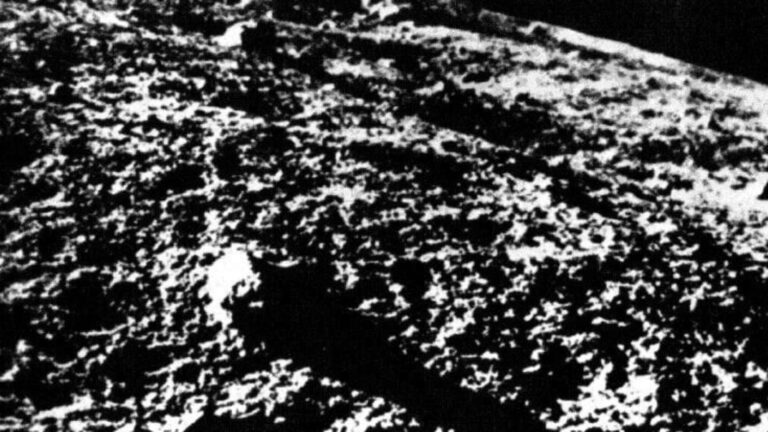
Scientists identified possible locations of the Soviet Union’s historic Luna 9 spacecraft, which became the first human-made object to successfully
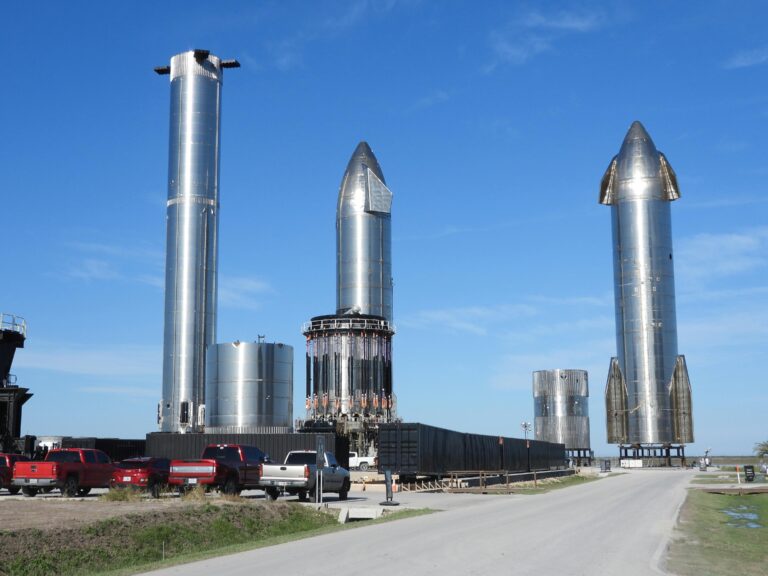
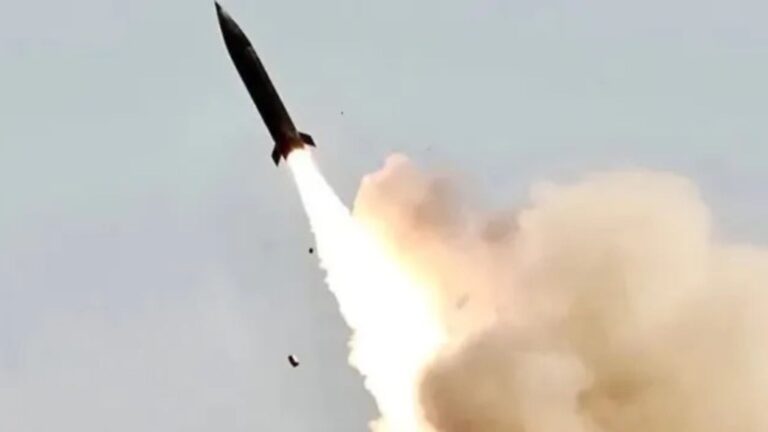
China Manned Space Agency executed a historic dual-purpose test of the Long March 10 reusable booster and Mengzhou spacecraft on February 10, 2026, from Wenchang. The capsule successfully aborted at Max-Q, while the booster reignited its YF-100 engines for a pinpoint propulsive ocean landing—China’s most advanced reusable rocket demonstration to date, accelerating the 2030 lunar landing goal.
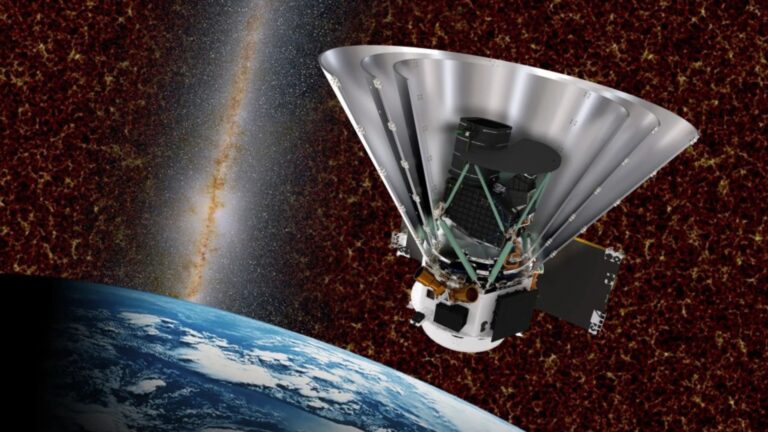
NASA’s space telescope, SPHEREx, detected organic molecules streaming out of the rare interstellar comet 3I/ATLAS. The discovery has sparked new
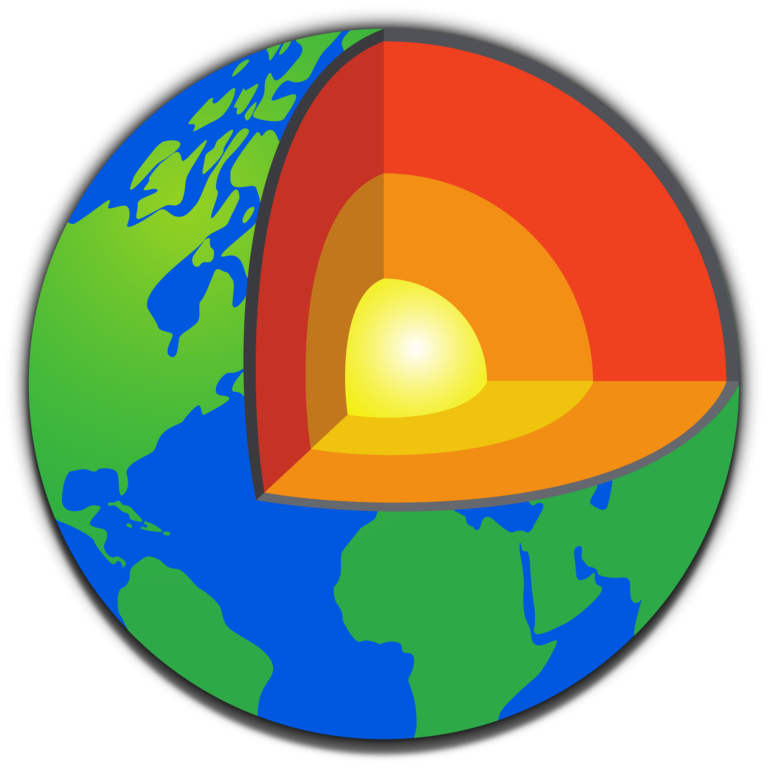
Peking University’s Dr. Dongyang Huang and colleagues have discovered Earth’s core may contain 9 to 45 times the hydrogen volume of all surface oceans—0.07% to 0.36% of core weight. Using atom probe tomography, the Nature Communications study suggests Earth acquired its water during formation, not from comets, reshaping our understanding of planetary habitability.
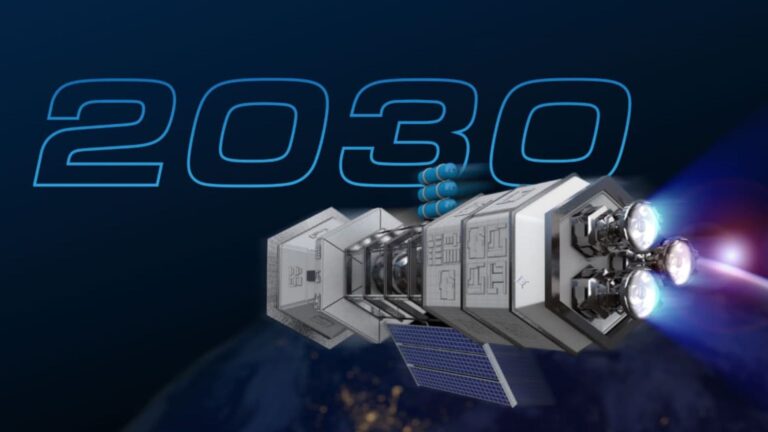
NASA is moving ahead with plans to place a 500-kilowatt nuclear fission reactor on the Moon by fiscal year 2030,

Chinese researchers successfully completed the world’s first in-orbit test of a wireless implantable Brain-computer Interface (BCI) device, marking a major
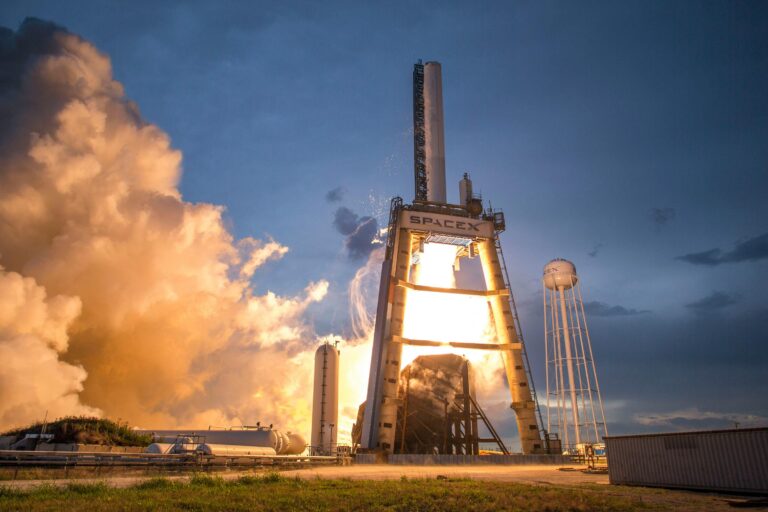
China has completed a high‑stress launch escape test of its Mengzhou lunar spacecraft aboard a Long March-10 rocket at Wenchang. Conducted at max Q by CASC, the test validated independent solid‑fuel crew abort and the first controlled vertical splashdown of the booster stage. The milestone advances China’s 2030 crewed moon landing and reusable rocket technology, with a Lanyue lander already in testing and a 2035 lunar south pole station on the roadmap.