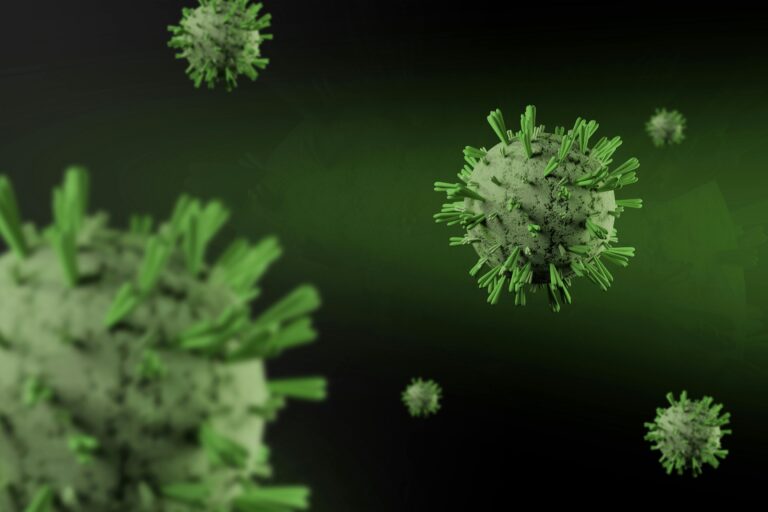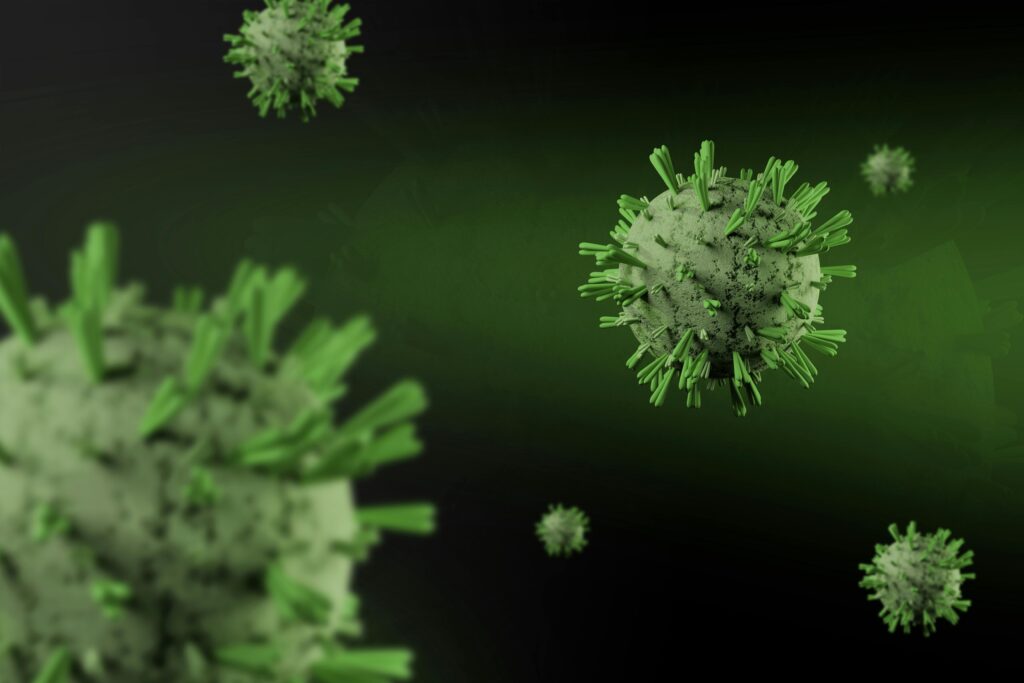
Scientists at Stanford Medicine have developed a universal vaccine that could protect against a wide range of respiratory viruses, bacteria, and allergy triggers with a single nasal spray.
The experimental vaccine, tested in mice, offered broad protection in the lungs for several months against Covid, other coronaviruses, bacterial infections, and even house dust mites that cause allergic asthma.
Researchers have created a new type of vaccine that works differently from traditional shots. Instead of mimicking part of a specific pathogen, the nasal spray mimics the signals that immune cells use to communicate during an infection. This approach stimulates multiple parts of the immune system and recruits helpful T cells to the lungs, keeping them active against various threats.
The work was led by Dr. Bali Pulendran, director of the Institute for Immunity, Transplantation and Infection at Stanford Medicine in California. The study was published in the journal Science on February 20. The vaccine, currently known as GLA-3M-052-LS+OVA, was tested in mice, and researchers now hope to begin human trials.
READ ALSO: https://modernmechanics24.com/post/lab-grown-human-spinal-cord-tissue/
Each year, people need multiple vaccines for different respiratory infections like flu, Covid, and RSV. There is no single shot that protects against bacterial pneumonia or allergies. A universal vaccine could replace multiple jabs, simplify winter vaccination campaigns, and potentially work against new pandemic viruses before they spread widely.
The vaccine is given as a drop in the nose. It contains a harmless antigen that recruits T cells into the lungs, plus special ingredients that mimic signals immune cells use to communicate. These signals directly stimulate innate immune cells in the lungs and keep them active for weeks or months. This creates a ready defense system against whatever respiratory threat enters the body.
In the mouse study, vaccinated animals were protected against Covid and other coronaviruses, Staph bacteria (which can cause skin infections and sepsis), Acinetobacter baumannii (which infects blood and wounds), and house dust mites. Dr. Bali Pulendran said that if this works in humans, people could get a nasal spray each fall that protects against all respiratory viruses, bacterial pneumonia, and spring allergens. That would transform medical practice.
WATCH ALSO: https://modernmechanics24.com/post/china-40000t-sichuan-assault-ship/
The study was only done in mice, and results may not translate directly to humans. Professor Brendan Wren from the London School of Hygiene and Tropical Medicine said the concept sounds too good to be true but could be promising if confirmed in future human studies. The next steps are safety trials in people, followed by larger trials where patients are exposed to infections. Pulendran estimates that with enough funding, the vaccine might be available within five to seven years.
This approach represents a new way of thinking about vaccines. Rather than targeting one specific virus or bacteria, it boosts the lungs’ general defenses. If successful, it could protect against known threats and also against future pandemic viruses that scientists haven’t even identified yet. Two doses of the nasal spray might be enough to provide protection in people, potentially replacing multiple annual shots and transforming how the world prepares for respiratory outbreaks.