The US Navy has moved to establish a dedicated commander for Robotic Autonomous Systems (RAS), signaling a deeper integration of unmanned technologies into frontline operations.
The proposal has been revealed by Chief of Naval Operations Adm. Daryl Caudle during the announcement of new ‘Fighting Instructions.’
It reflects the Navy’s push to modernize its command architecture in response to evolving maritime threats. The move aims to streamline how uncrewed platforms are organized, commanded, and deployed across the fleet.
What Is RAS?
Robotic Autonomous Systems (RAS) are unmanned, autonomous platforms capable of operating with limited or no direct human control.
READ ALSO: https://modernmechanics24.com/post/china-shenlong-secretive-launch-global/
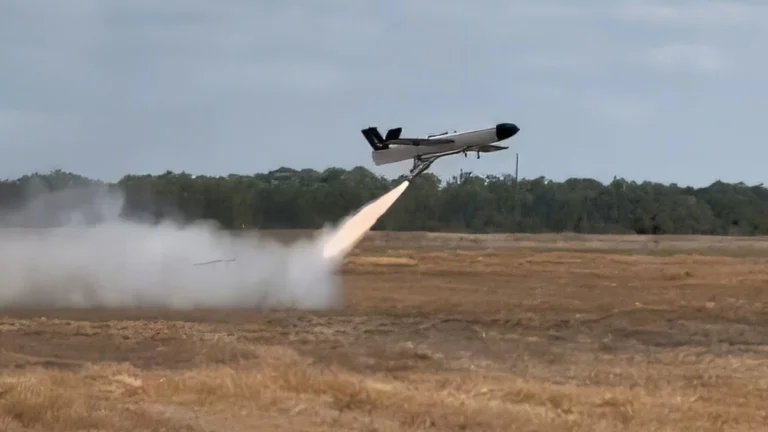
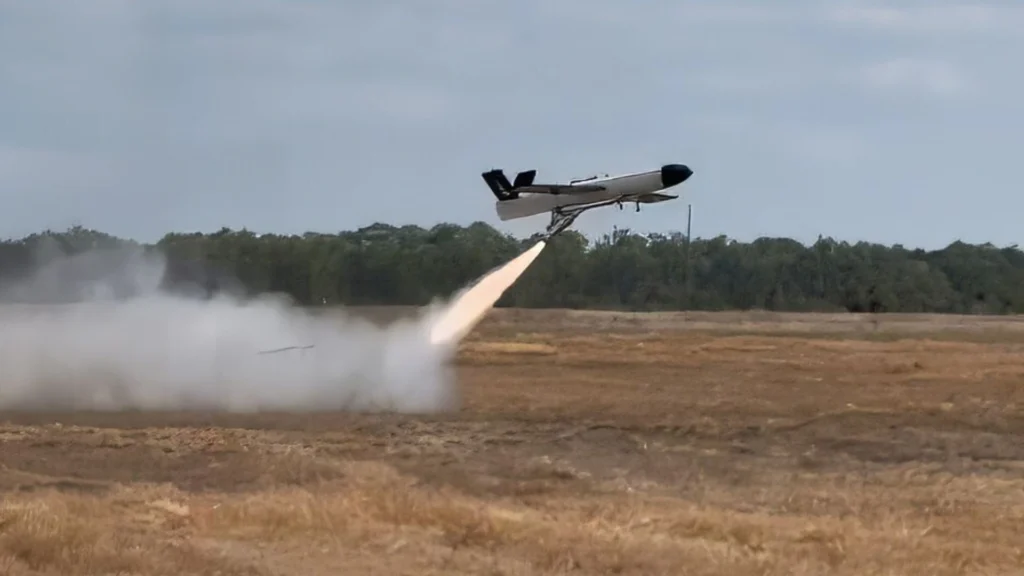
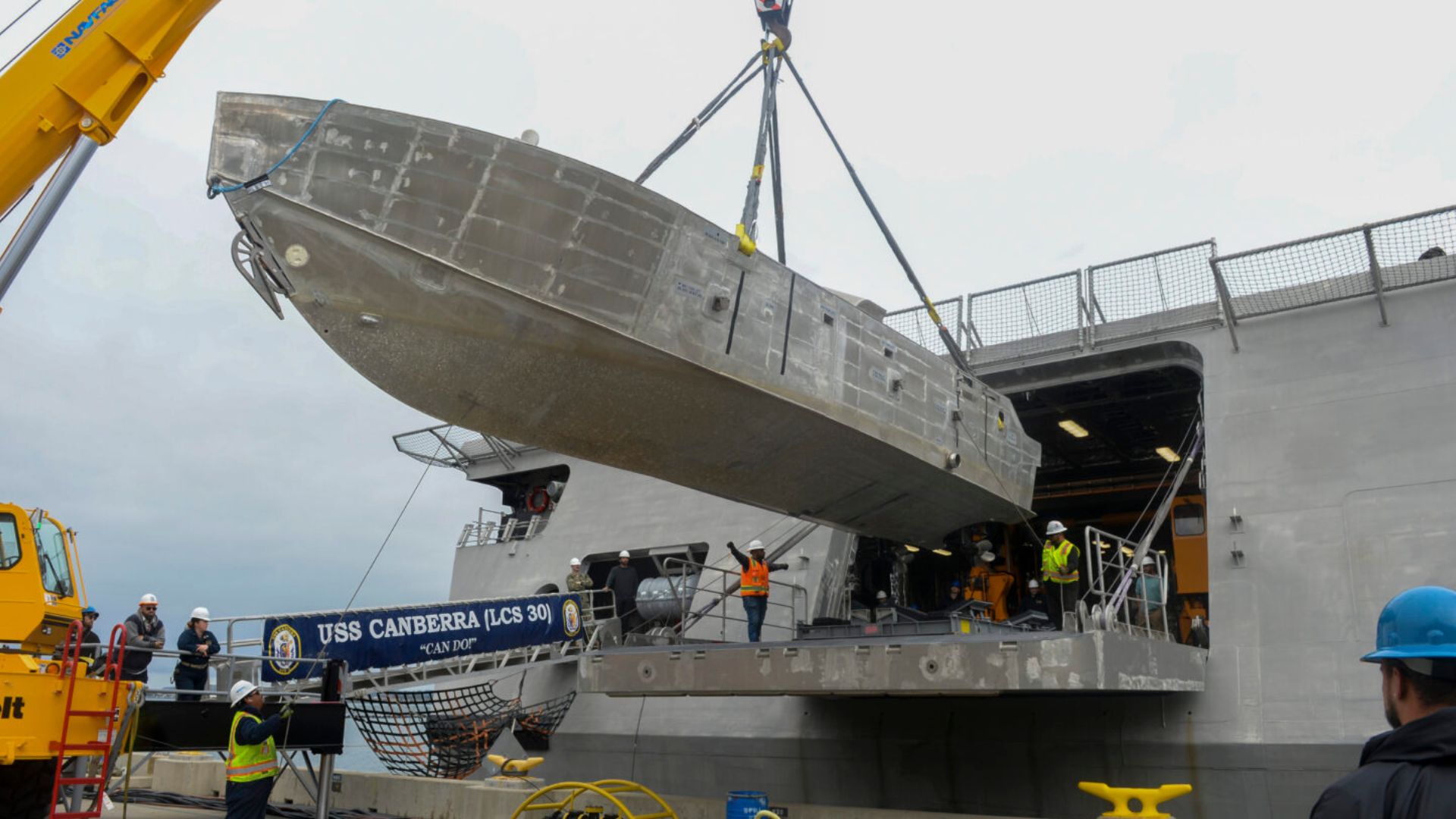
In naval operations, RAS includes unmanned surface vessels (USVs), unmanned underwater vehicles (UUVs), autonomous aerial drones, and cyber-enabled systems that perform surveillance, reconnaissance, strike, logistics, and electronic warfare missions.
These systems are increasingly viewed as force multipliers, extending operational reach while reducing personnel risks.
However, their growing presence has also created command-and-control challenges within traditional naval structures.
Currently, the Navy organizes robotic systems by domain: undersea, aviation, and cyber, distributing responsibilities across multiple command chains. According to Adm. Caudle, that fragmented structure may no longer be sufficient as autonomous capabilities expand.
“This RAS commander, if you will, knows how to command and control these packages of unmanned capabilities to achieve the mission outcomes that the strike group commander may want,” Caudle said.
WATCH ALSO: https://modernmechanics24.com/post/china-humanoid-robot-combat-moves/
He emphasized that the envisioned role would not merely oversee platforms but integrate cross-domain capabilities in support of broader operational objectives.
“Where my head is, and we’re not there yet, a RAS warfighting commander, it’s almost a joint task force commander just for these systems alone,” Caudle added.
After implementation, the RAS commander would likely sit on a strike group staff alongside combat systems, information warfare, and air and missile defense commanders. The goal is to ensure autonomous assets are synchronized with manned platforms in real time during complex operations.
The concept remains under development. Navy leadership describes the initiative as in a discovery phase, focused on determining the best way to structure command authority and administrative oversight.
“We’re in this discovery phase of how we actually just now assemble command and control of these forces through the administrative chain of command, so we can actually fill, maintain, sustain and train sailors to actually bring these kinds of capabilities to bear,” Caudle said.
READ ALSO: https://modernmechanics24.com/post/tin-isotopes-unlock-nuclear-stability/
The challenge lies not only in operational coordination but also in training, sustainment, and personnel development.
As unmanned systems become more advanced, the Navy must ensure it has sailors skilled in operating, maintaining, and integrating these technologies into combat scenarios.
The planned restructuring underscores the Navy’s serious view of autonomous warfare in an era of near-peer competition.
With other nations investing heavily in unmanned maritime capabilities, establishing a unified RAS command could provide clearer accountability, faster decision-making, and greater operational flexibility.