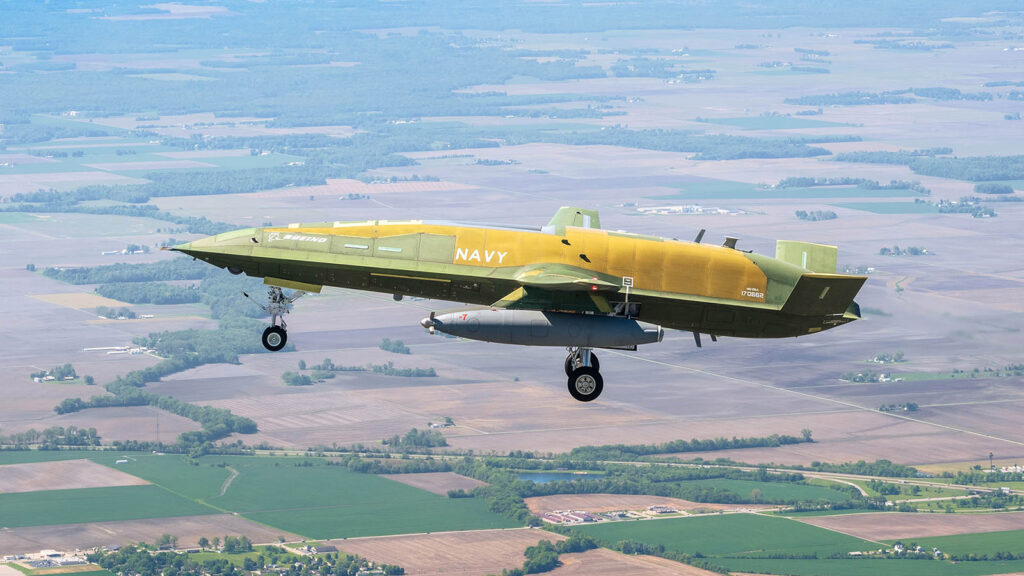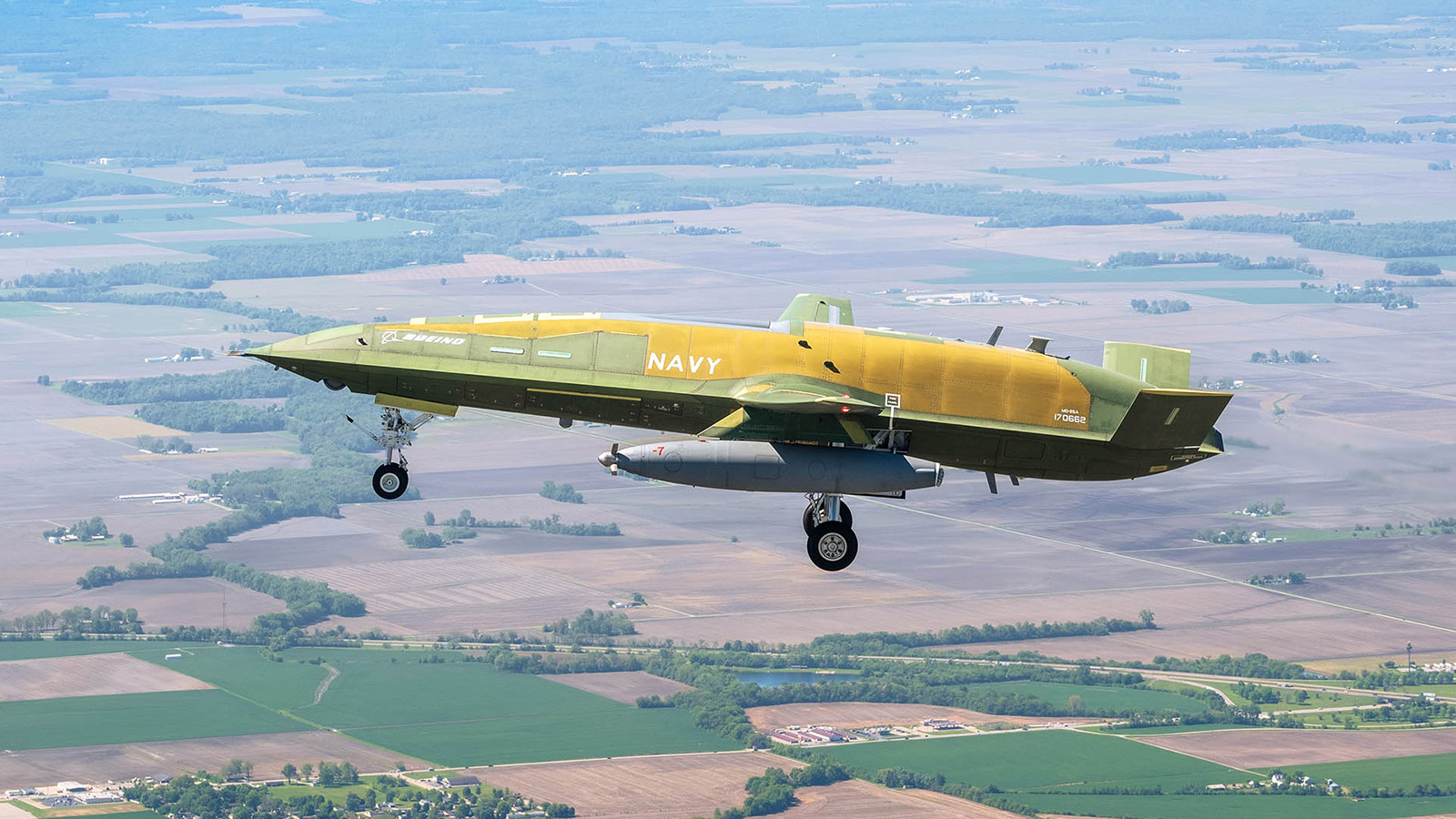
The US Navy has awarded Boeing a $562 million contract to begin low-rate initial production of the MQ-25A Stingray, moving the carrier-based unmanned tanker from development toward operational deployment.
The contract covers three Lot 1 aircraft and advance purchases of long-lead components for three additional Lot 2 aircraft. Boeing is expected to begin deliveries in 2029, marking the next major stage in the Navy’s effort to introduce unmanned aircraft into carrier air operations.
The MQ-25A is designed primarily as an aerial refueling aircraft for US Navy carrier air wings. It will take over much of the tanker work now performed by F/A-18 Super Hornets. This will allow more of the manned fighter fleet to remain available for combat missions.
READ ALSO: https://modernmechanics24.com/post/hualong-one-unit-3-hainan-operation/
The broader MQ-25 program is planned around a potential fleet of up to 76 aircraft. Boeing is also assembling seven test aircraft that support the program’s development and evaluation activities.
The Navy described the first production contract as an important transition in the program. Capt. Daniel Fucito, program manager for Unmanned Carrier Aviation, said the award moves the aircraft from development toward operational use and reflects work by government and industry teams.
He said the MQ-25A will provide greater reach, lethality and survivability for carrier-based forces. The statement also links the aircraft to the Navy’s wider effort to maintain operational capability as potential threats become more advanced.
A New Role For Carrier Aviation
The MQ-25 is being developed to perform a task that currently consumes valuable flight hours from manned combat aircraft. F/A-18 Super Hornets can carry out aerial refueling, but using fighters for tanker duties limits the number of aircraft available for strike and other missions.
The Stingray changes that arrangement by assigning the refueling role to an unmanned aircraft. Its main purpose is to extend the distance at which carrier aircraft can operate without requiring them to return to the carrier as frequently for fuel.
This has implications for the design and use of future carrier air wings. It also reduces some of the structural and operational burden placed on the Super Hornet fleet.
The MQ-25 is intended to operate from aircraft carriers and connect with existing naval aviation operations. In March, the Nimitz-class USS Theodore Roosevelt became the first carrier equipped with an Unmanned Air Warfare Center capable of controlling the aircraft.
The control system is an important part of the concept. It allows the carrier to manage unmanned aircraft operations as part of its wider air wing rather than treating the tanker as a separate capability.
WATCH ALSO: https://modernmechanics24.com/post/skybreaker-fighter-pilots-training/#google_vignette
Stingray Brings Long Reach
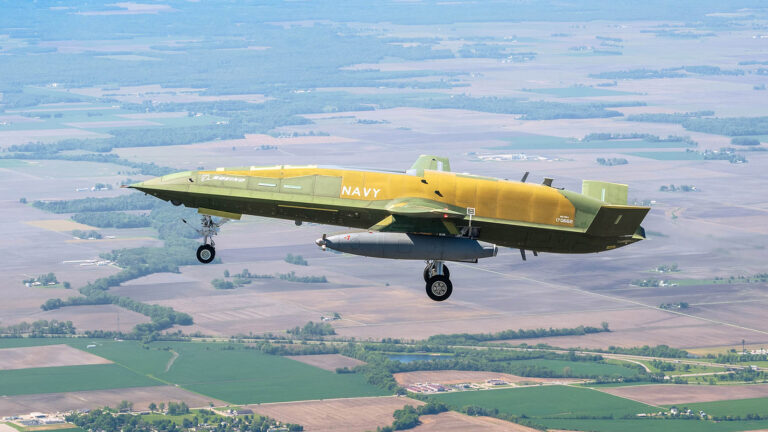
Boeing’s MQ-25A measures about 51 feet, or 16 meters, in length. Its wingspan is approximately 75 feet, or 23 meters.
A Rolls-Royce AE 3007N turbofan engine powers the aircraft. The Stingray is designed to reach speeds above 500 miles per hour, or 805 kilometers per hour, and operate at altitudes above 39,000 feet, or 11,887 meters.
Its stated reach is up to 500 nautical miles, equivalent to about 575 miles or 926 kilometers. These characteristics are intended to support carrier aircraft that need additional fuel while operating farther from their home carrier.
The MQ-25 is not limited to the tanker role in the broader concept. The aircraft is also designed with the ability to carry weapons such as the AGM-158C anti-ship missile, giving the platform a potential role beyond aerial refueling.
Its primary value, however, remains its ability to provide fuel without putting a manned fighter into the tanker role. This distinction is central to how the Navy plans to use the aircraft within future carrier air wings.
Production Sets 2029 Path
The latest contract focuses on low-rate initial production rather than full-scale manufacturing. This stage allows the Navy and Boeing to begin producing operational-standard aircraft while continuing to build experience with the system.
The first three aircraft form Lot 1. The contract also supports the purchase of components that require longer production times for three Lot 2 aircraft, helping prepare the next production stage.
The planned 2029 deliveries will place the Stingray closer to routine fleet operations. The program will continue to depend on testing, carrier integration and the development of procedures for operating unmanned aircraft alongside crewed platforms.
READ ALSO: https://modernmechanics24.com/post/idaho-state-university-nuclear-reactor/
For the US Navy, the MQ-25 also represents a wider shift in naval aviation. Unmanned systems are being integrated into missions traditionally performed by crewed aircraft, while carriers remain central to the Navy’s global operations.
The Stingray’s introduction will therefore affect more than refueling alone. It will shape how carrier air wings distribute missions between unmanned tankers and manned combat aircraft in the years ahead.