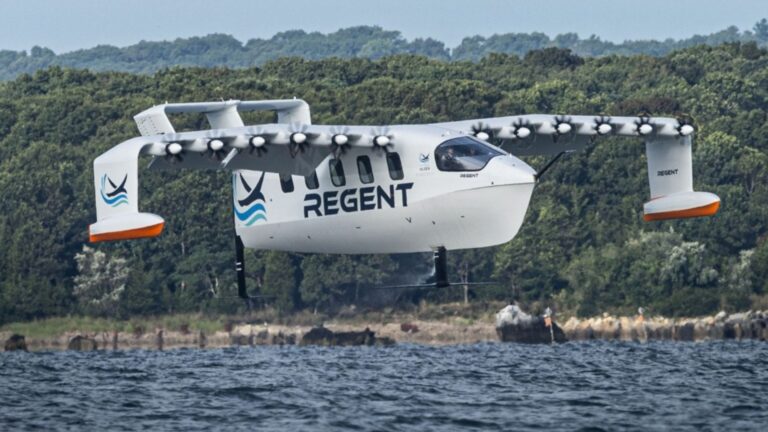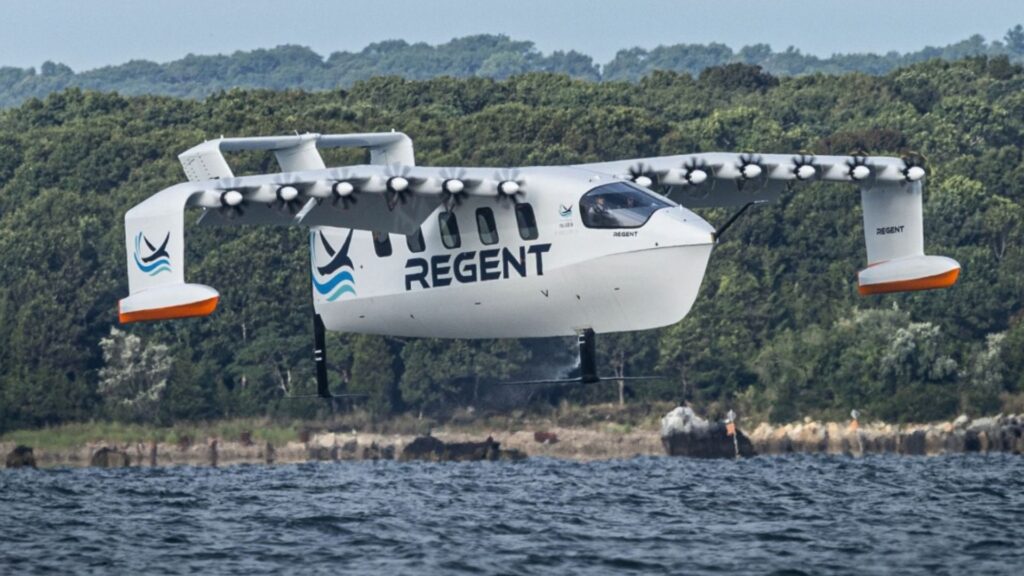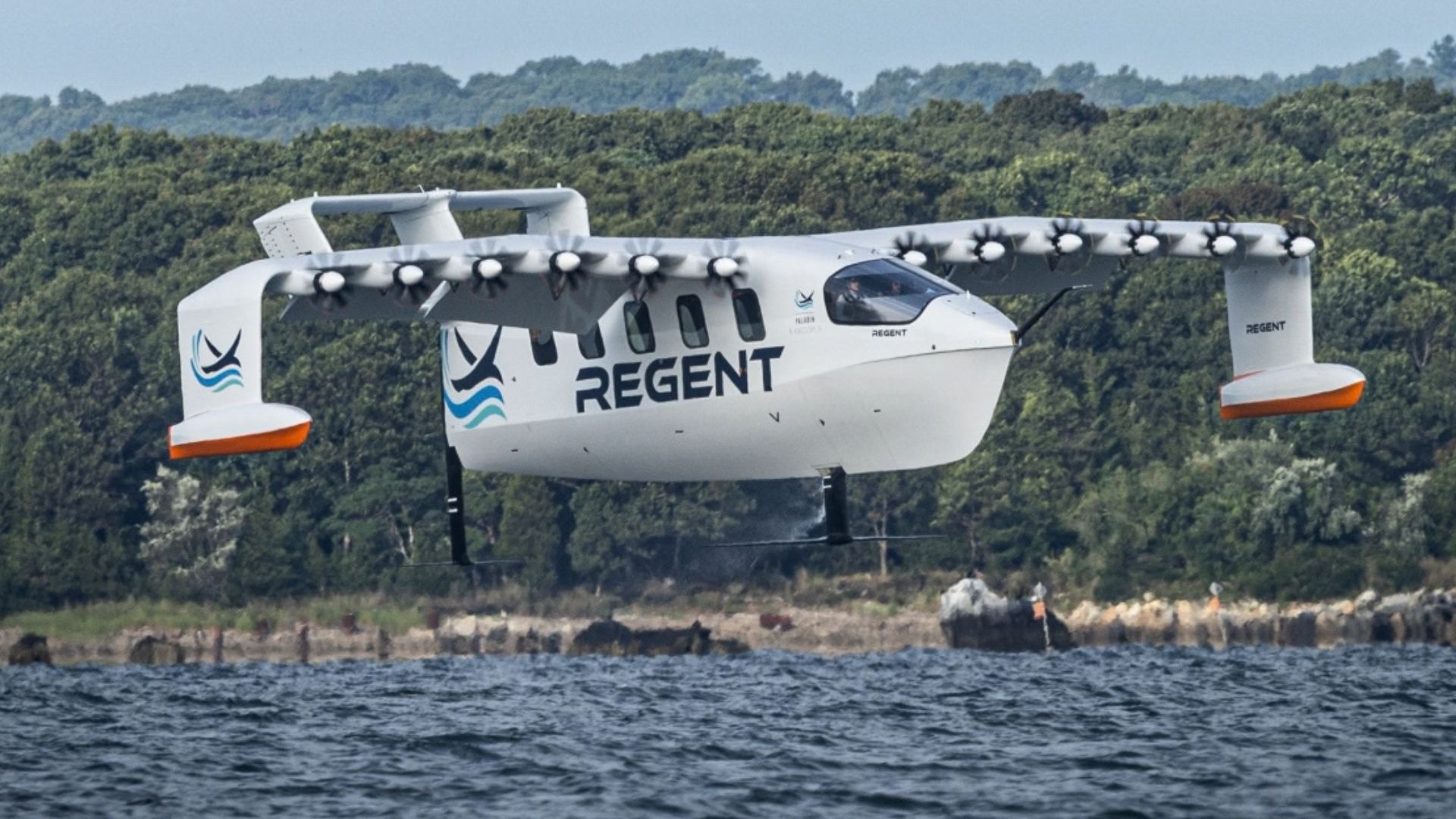
The US Marine Corps is moving REGENT Craft’s electric Seaglider closer to operational testing after expanding its partnership with the Rhode Island-based company.
The Marine Corps Warfighting Lab has added $5 million to the programme, bringing the total value of the partnership to $19.25 million. The new phase will test the full-scale Viceroy prototype in conditions closer to those faced during military operations.
The additional funding supports the fourth phase of the Marine Corps Warfighting Lab’s work with REGENT.
The phase includes six deliverables focused on operational demonstrations and command-and-control requirements. These activities will examine how Seagliders can be tasked, tracked and coordinated with other military assets.
REGENT announced the new funding on September 30, although it has not provided a schedule for the fourth phase. The company also has not disclosed where the demonstrations will take place. The work follows several earlier stages that gradually moved the programme from technical assessment toward full-scale testing.
The first and second phases received a combined $4.75 million. Those stages focused on establishing whether the Seaglider concept was technically feasible. A further $9.5 million funded the third phase, which supported demonstrations of the full-scale prototype and has now been completed, including flight testing.
Viceroy Moves Beyond Prototypes
The Viceroy is designed to operate between a conventional boat and an aircraft. It starts on the water, rises onto a hydrofoil as it accelerates and then transitions into flight close to the surface. This operating method lets the craft travel without a conventional runway.
During flight, the Seaglider remains within one wingspan of the water. Its wing uses an aerodynamic effect called ground effect, which occurs when an aircraft flies very close to a surface. The reduced drag created in this zone helps an electric aircraft use its available energy more efficiently.
REGENT says the Viceroy is designed for speeds of up to 290 km/h, or 180 mph. The company also gives the craft a planned range of up to 290 km, or 180 miles. Its water-based takeoff and landing system lets it operate without an airfield and supports charging from shore facilities or ships.
The company is also developing a smaller autonomous platform called Squire. The Viceroy prototype itself completed a flight in Narragansett Bay, Rhode Island, on September 2. REGENT described that flight as an important stage in its wider test programme.
READ ALSO: https://modernmechanics24.com/post/boeing-wins-us-air-force-f-15ex-order/
Designed For Dispersed Logistics
The Marine Corps is examining the Seaglider primarily as a logistics platform. Its ability to operate from water gives it a different operating model from aircraft that depend on runways or helicopters that require suitable landing areas. REGENT is positioning the system for movement between islands, ships and other locations where conventional transport infrastructure may be limited.
This requirement supports the Marine Corps’ plans for distributed operations in the Indo-Pacific. Such operations can involve forces spread across multiple islands and maritime positions. A vehicle that combines maritime access with aircraft-like speed is being assessed as one option for moving personnel and equipment between these locations.
Becky Russo, REGENT’s director of defense mission integration, said the new phase aims to put the technology in the hands of military users.
The focus is on allowing warfighters to assess how Seagliders perform in forward operating areas. The fourth phase therefore shifts attention toward practical use and coordination rather than basic technical feasibility.
Electric Platform Enters Field Phase
REGENT also points to several features intended to support military operations. The company says the Seaglider produces little acoustic and thermal signature because it uses electric propulsion. It also claims that the craft’s low flight profile keeps it below radar coverage in some operating conditions, although these claims have not been independently demonstrated publicly.
The company’s development programme is also attracting commercial and industrial interest. REGENT says it has secured more than $340 million in funding commitments from investors, including Lockheed Martin and Japan Airlines. It also says civilian customers have placed orders across six continents.
The new Marine Corps funding gives REGENT another opportunity to test the Seaglider against practical military requirements. The programme will now place greater emphasis on field conditions, command and control, and coordination with other assets.