US Scientists made a significant advance in grid-scale energy storage, uncovering chemical mechanisms that could strengthen the reliability, affordability, and resilience of the country’s power grid.
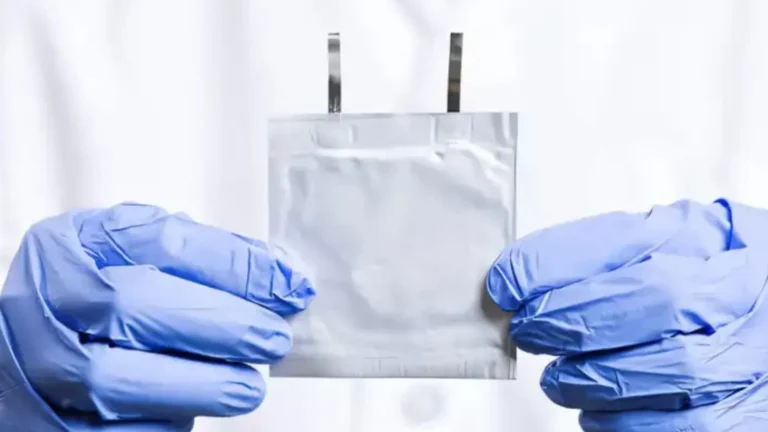
The research was led by Oak Ridge National Laboratory(ORNL) electrochemical materials scientist Guang Yang and published in ACS Energy Letters. This study shed light on how to improve sodium-sulfur flow batteries, an emerging alternative to traditional lithium-ion systems.
The findings could help stabilize the grid during extreme weather events and accelerate US energy independence.
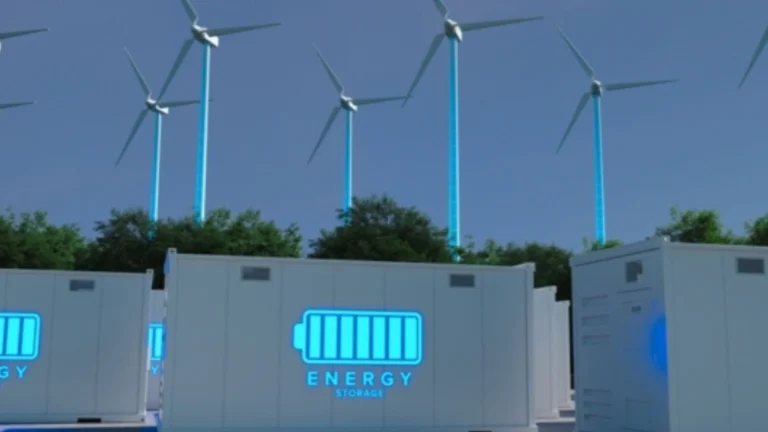
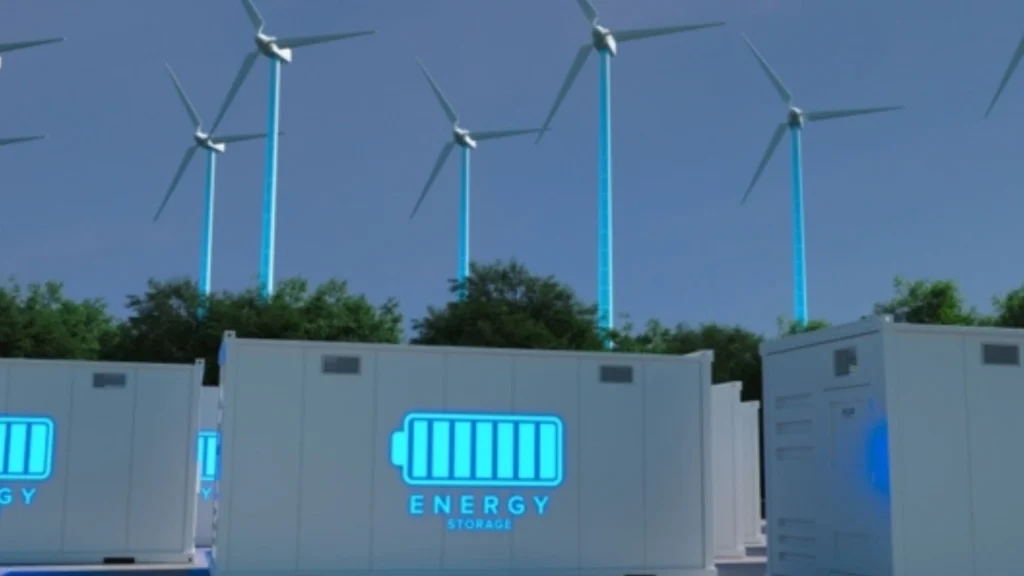
With the rapid expansion of renewable energy sources such as solar and wind, the demand for large-scale energy storage continues to grow. Unlike conventional power plants, renewable energy sources generate electricity intermittently. It creates an urgent demand for systems that can store excess power and release it when demand spikes.
READ ALSO: https://modernmechanics24.com/post/crewless-ai-firefighting-robots/
“We need to build grid-scale energy storage that is reliable and robust,” Yang said. “This is especially important for addressing power shortages during extreme weather events, such as hurricanes, floods, and winter storms. The goal is to create a stronger grid that can restore power across communities as soon as possible after natural disasters.”
While lithium-ion batteries dominate markets for smartphones, electric vehicles, and portable electronics, they face limitations at the utility scale. High costs, safety concerns, and material constraints make them less ideal for massive grid applications.
In contrast, flow batteries offer a promising alternative.
How Flow Batteries Work
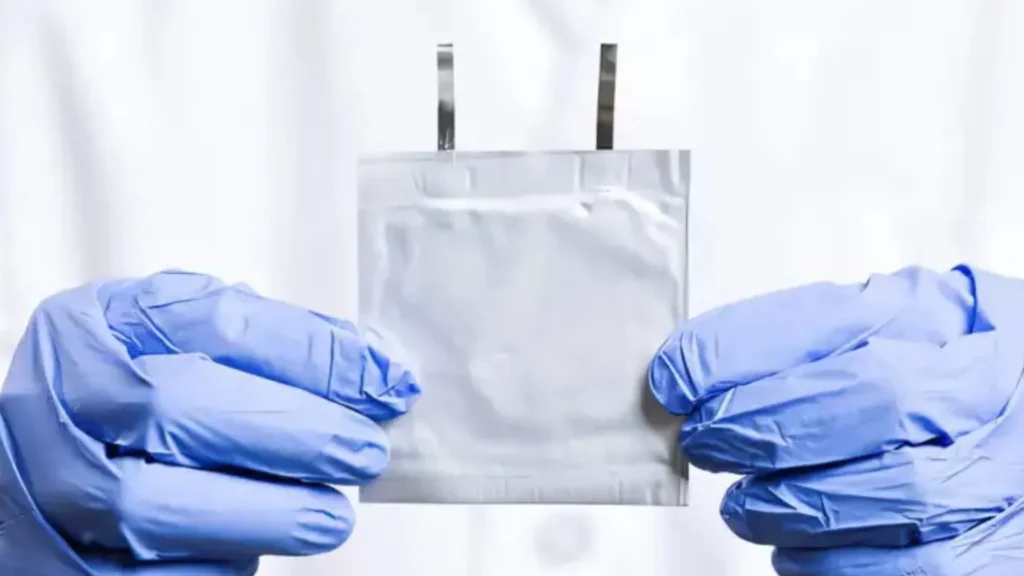
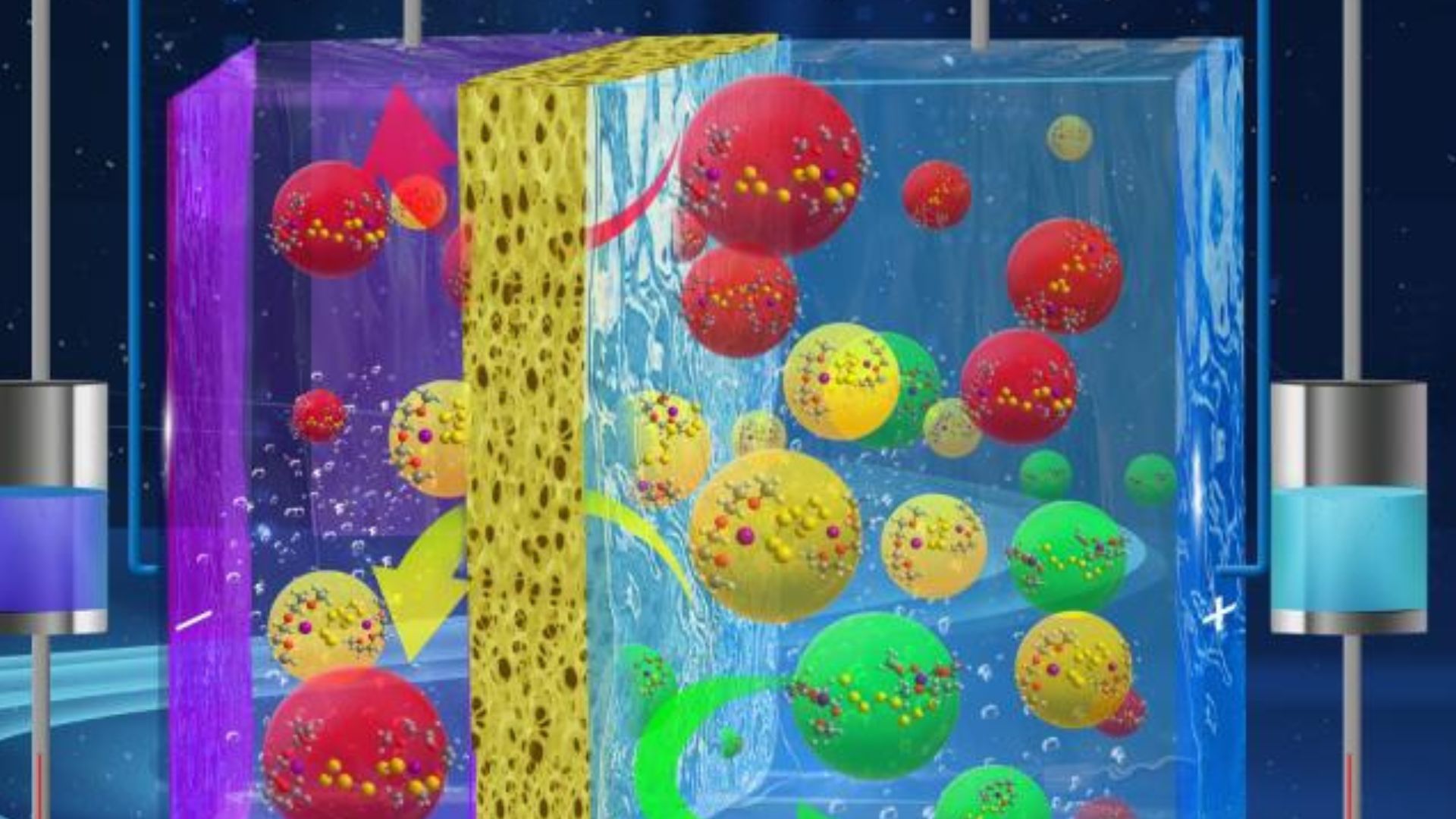
Lithium-ion systems rely on solid materials within a sealed cell, while flow batteries use liquid electrolytes stored in external tanks. These liquids circulate through a central cell stack where chemical reactions produce and store energy. That cell stack is called a “power-generating sandwich.”
“In the lithium-ion battery, a central sandwich contains a power-generating station with electrodes, a separator, and solid materials that store and release energy,” Wu explained. “In flow batteries, however, liquids instead of solids power the system.”
The ORNL team focused on sulfur-based electrolytes combined with sodium metal. This approach stands in contrast to commercial vanadium-based flow batteries, which rely on a costly and critical mineral.
“Vanadium is on the US government’s list of rare minerals,” Yang said. “It’s expensive, and the Department of Energy has set a cost-related goal. By 2035, we must reduce the cost of electricity to 5 cents per kilowatt-hour, per cycle. Vanadium is somewhere around 18 cents per kilowatt-hour, per cycle. Obviously, by using only the traditional, already commercialized vanadium-based flow battery system, we can never reach that goal.”
WATCH ALSO: https://modernmechanics24.com/post/top-research-robot-new-ai-platform/
The Glyme Factor
A central focus of the study was electrolyte chemistry. That describes how different solvents influence battery stability and performance. The researchers experimented with glymes, a class of liquid ether solvents known for chemical stability and strong salt-dissolving capabilities.
By analyzing glymes with varying molecular structures, the team discovered that the number of oxygen atoms in the solvent plays a key role in controlling unwanted sulfur migration within the battery.
When sulfur materials penetrate the separator membrane inside the battery, they reduce efficiency and shorten battery life. The study found that glymes with more oxygen atoms significantly reduced this penetration, thereby improving long-term cycling stability.
Yang said that the solvation structure directly affects polysulfide reactions, determining whether sulfur species remain stable or migrate across the membrane. By adjusting molecular chain length and oxygen content, researchers were able to limit harmful reactions and enhance durability.
A better-designed solvent not only controls sulfur penetration but also accelerates charge-carrier mobility, thereby increasing overall efficiency.
Scalable Energy Storage
Sodium and sulfur offer a strategic advantage because both materials are abundant and inexpensive. This makes sodium-sulfur flow batteries particularly attractive for large-scale deployment across national grids.
Low-cost materials are essential if the US aims to maintain global leadership in grid energy storage technologies. ORNL’s research moves the country closer to meeting federal cost targets while strengthening domestic supply chains.
The team’s simulations provided detailed molecular-level insights into battery behavior, offering a roadmap for future improvements.
“The sodium-sulfur system is relatively underexplored, even at our lab,” Wu said. “The most exciting thing is our ability to keep creating and testing better and better prototypes in pursuit of additional understanding, pushing boundaries and exploring something new.”
READ ALSO: https://modernmechanics24.com/post/unitree-robotics-20000-robot-2026-gala/
Strengthening Energy Security
Beyond cost reductions, this research’s implications extend to national resilience. Extreme weather events have increasingly strained power infrastructure across the US. Reliable grid-scale storage can ensure faster recovery and reduce dependence on fossil-fuel backup systems.
By improving the chemistry of flow batteries, ORNL scientists are helping lay the foundation for a more stable, disaster-resistant energy network.