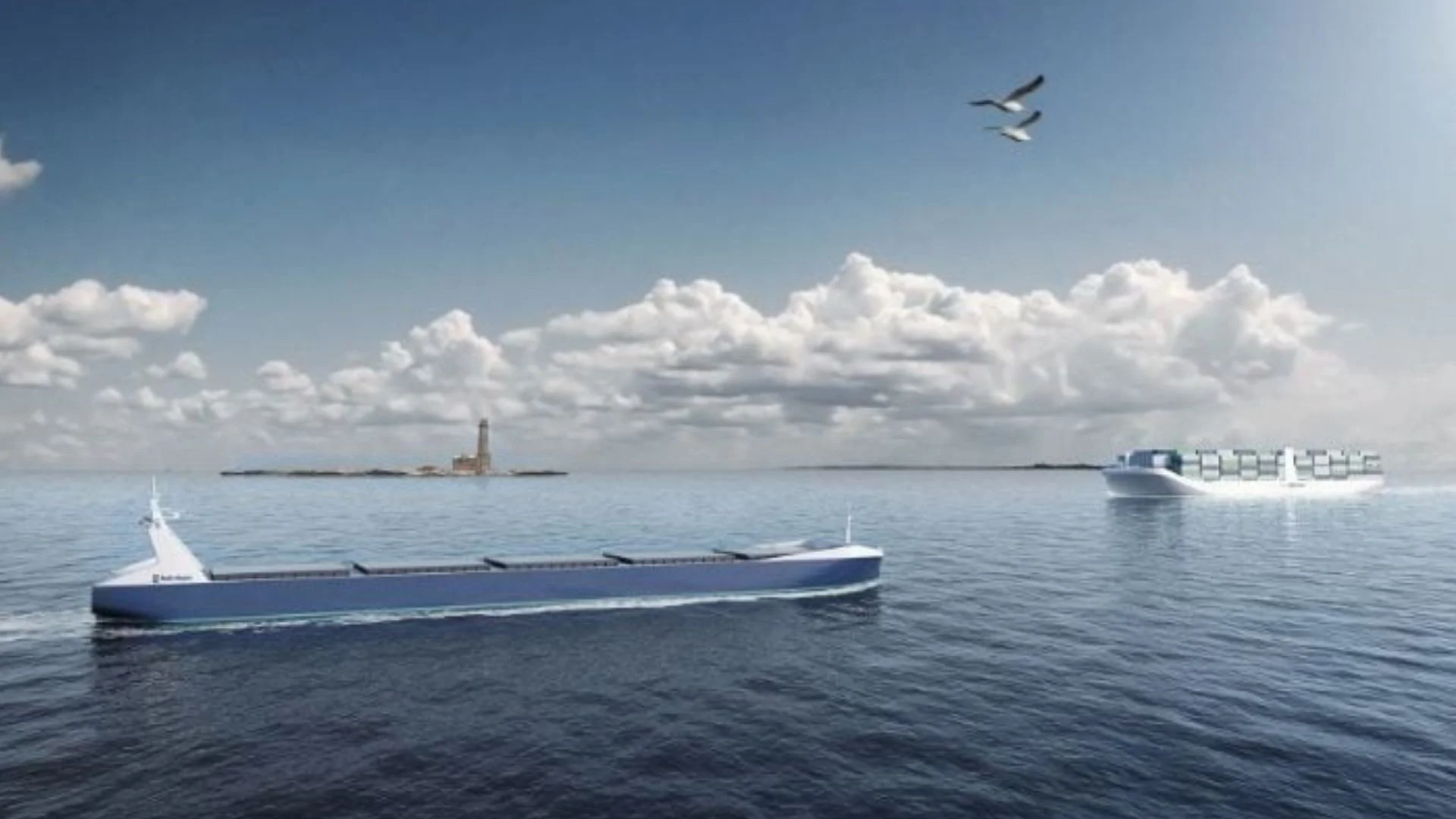
Autonomous shipping is moving closer to everyday reality as new technologies and international regulations enable ships to operate with fewer crew members onboard.
Researchers and industry partners in Norway have demonstrated how shore-based crews can simultaneously monitor and manage multiple vessels. The development aims to reduce costs, lower emissions, and help solve a growing shortage of qualified seafarers.
Researchers at SINTEF Ocean in Norway say the latest developments bring the shipping sector closer to large-scale deployment of autonomous vessels. The technology has been under development for several years and is now being tested in real-world conditions. Industry leaders believe it can reshape cargo transportation in the coming decades.
The concept is simple. Instead of having a full crew on every vessel, trained operators work from land-based remote control centers. They monitor ships through digital systems and step in when human decision-making is required.
This approach differs from traditional shipping. Today, large cargo vessels carry crews responsible for navigation, engineering, safety, and daily operations. Autonomous shipping seeks to transfer many of these responsibilities to advanced onboard systems supported by remote teams.
Autonomous Shipping Technology Changes Vessel Operations
Technology for autonomous vessels already exists and is being used in specialized maritime operations. One example is Reach Remote 1, a 24-meter uncrewed surface vessel designed for seabed mapping and inspection work. The vessel operates without a crew on board and is remotely managed from shore.
According to project partners, Reach Remote 1 has demonstrated significant efficiency gains. It reduces emissions by around 90 percent and lowers crew requirements by approximately 75 percent compared with conventional offshore vessels. These results highlight the environmental and operational benefits of autonomous maritime technology.
READ ALSO: Rohde & Schwarz first to achieve GCF approval for 5G FR2 RRM standalone mode conformance test cases
However, cargo shipping presents a different challenge. Cargo vessels need space to carry freight, and simply replacing crews with remote operators does not automatically deliver the same environmental savings. Researchers say greater vessel autonomy is necessary to unlock the full benefits.
The goal is to make ships capable of handling most routine tasks independently. Shore-based crews would then supervise several vessels at once rather than focusing on a single ship. This model has the potential to improve efficiency across entire fleets.
Seafarers Shift to Shore
The shipping industry faces increasing pressure from rising costs and a shortage of qualified maritime professionals. Industry studies have warned that the global workforce gap continues to grow. Recruiting and retaining experienced officers remains a challenge for shipping companies worldwide.
A report published by BIMCO and the International Chamber of Shipping estimated a shortage of approximately 89,000 officers by 2026. The industry needs new solutions to maintain operations while meeting future demand. Autonomous shipping is being viewed as one possible answer.
Moving crews ashore offers several advantages. Smaller vessels require less space for accommodation and support systems, reducing overall ship size. Smaller ships generally consume less energy and produce fewer emissions.
Remote operations also allow a single bridge crew to oversee multiple vessels. This can improve productivity and help shipping companies manage labor shortages more effectively. It also creates opportunities for experienced seafarers to continue working in maritime operations from land-based facilities.
The change could make maritime careers more attractive to a wider range of people. Working from shore provides a more predictable lifestyle and allows employees to spend more time with their families. It also opens doors for individuals who may face physical challenges that make working at sea difficult.
READ ALSO: What Do Ice Volcanoes Look Like? Scientists Just Recreated Them on Earth
SEAMLESS Project Helps Build Future Autonomous Fleets
Many of these developments are being driven by the SEAMLESS project. The initiative brings together 26 partners, including SINTEF Ocean and Kongsberg Maritime. Its goal is to develop the technologies needed for fully automated, cost-effective cargo transportation on coastal and inland waterways.
One of the project’s most important achievements has been improving communication between ships and shore-based operators. During routine operations, operators only see essential information on their screens. This helps them monitor several vessels without becoming overwhelmed by unnecessary data.
When a vessel encounters a problem, the system immediately alerts the operators. The display then provides a more detailed view, allowing crews to assess the situation and respond quickly. This design helps balance automation with human oversight.
If several vessels require attention simultaneously, responsibility can be transferred to another remote operations team. Human judgment remains a critical part of the process. While automation handles routine functions, people continue to make important operational decisions.
Regulation has been another major challenge. Autonomous shipping introduces questions about safety, responsibility, and operational standards that existing maritime rules were not designed to address. Researchers have worked closely with regulators and industry organizations to help develop appropriate frameworks.
The project has contributed to the adoption of a new voluntary regulatory framework by the International Maritime Organization. This framework provides guidance for autonomous shipping operations and establishes an important foundation for future global standards.
WATCH ALSO: Drum-shaped antenna reflector on NASA-ISRO NISAR satellite deployed
Several practical milestones have already been achieved. Three vessels are currently operating without chief engineers on board. Instead, engineers supervise the ships remotely from a shore-based operations center.
The next objective is to move navigators ashore, followed by captains. Once approved, fleets of autonomous vessels will be managed through centralized operations centers that can oversee multiple ships simultaneously.
A recent demonstration in Norway’s Oslofjord provided further proof that the concept works. The exercise showed that a single operations center can successfully manage multiple vessels under real operating conditions. Industry partners and regulators were able to observe the technology in action rather than relying solely on simulations and technical reports.
The demonstration represented years of development and cooperation among researchers, technology companies, regulators, and shipping operators. It also showed how autonomous fleet management can function safely in practical maritime environments.
As international regulations continue to evolve and more operational experience is gained, autonomous shipping is expected to expand into broader commercial use.
Future cargo vessels may rely on advanced automation and shore-based crews to transport goods across oceans, coastal routes, and inland waterways. The shift has the potential to transform global shipping by making maritime transport more efficient, sustainable, and accessible for the next generation of seafarers.