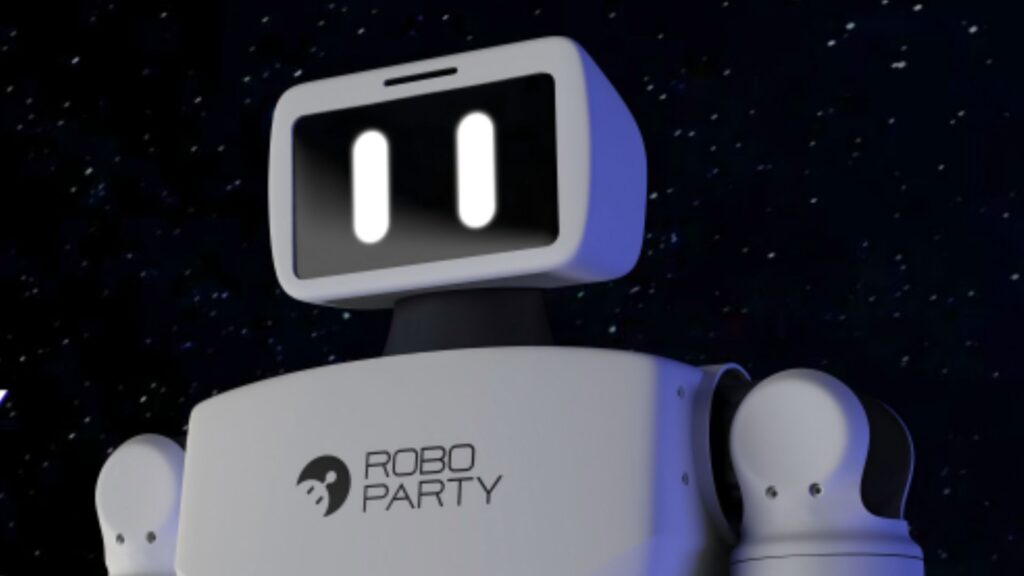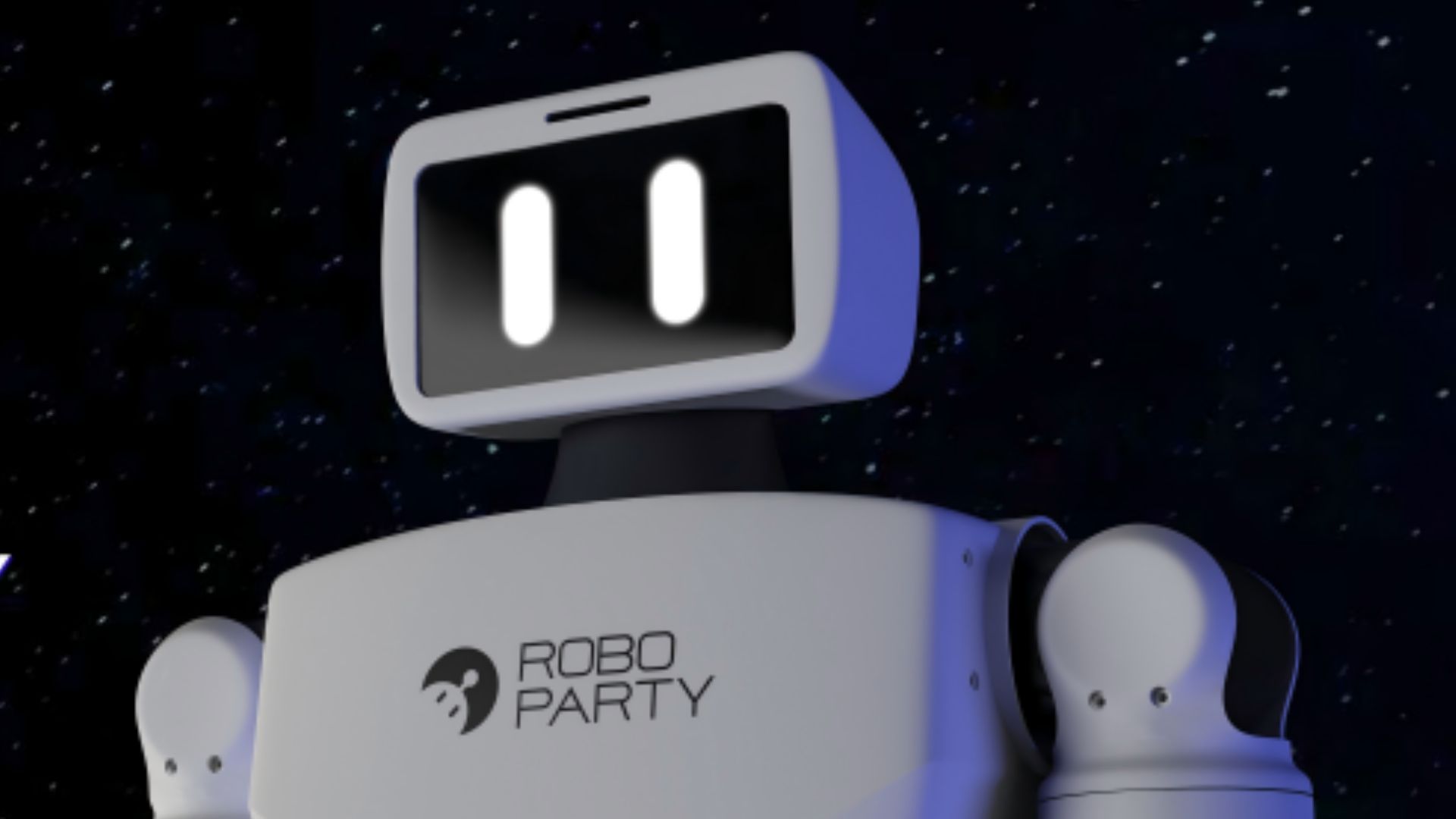
A Shanghai-based robotics firm officially open-sourced its flagship bipedal humanoid robot, ROBOTO ORIGIN, making its full hardware and software stack available to developers worldwide.
The startup, RoboParty, took a bold step that could reshape the future of embodied AI. Instead of building behind closed doors, RoboParty is inviting the global community to collaborate.
RoboParty released the complete design, code, and engineering documentation for ROBOTO ORIGIN on GitHub in January. The robot was developed in just 120 days between April and August 2025.
The 1.25-meter-tall, 34-kilogram humanoid is not an industrial product. It is a prototype designed to verify “end-to-end capabilities from 0 to running.” It proves that a small team can design, build, and operate a functional bipedal robot from scratch.
With a strong response, the project has already gained more than 1,000 GitHub Stars and nearly 100 pre-orders for the development kit.
READ ALSO: https://modernmechanics24.com/post/robotics-firms-build-like-robot-hands/
ROBOTO ORIGIN can run at speeds of up to 3 meters per second. It uses a self-developed anthropomorphic gait algorithm called AMP. This algorithm enables stable, natural walking and running.
The company open-sourced its full structural drawings and detailed engineering bill of materials, along with comprehensive supplier lists and step-by-step assembly instructions. It has also released its low-level control software, advanced human motion adaptation models, and even its Sim2Real testing solutions, complete with debugging records.
By making every critical layer of development publicly accessible, RoboParty is actively pushing for greater transparency, collaboration, and reproducibility in humanoid robotics. It reduces barriers for researchers and innovators while accelerating progress across the field.
RoboParty was founded in 2025 by 21-year-old robotics engineer Yi Huang.
WATCH ALSO: https://modernmechanics24.com/post/hmnd-01-alpha-simulation-humanoid-robot/
Huang began building robots while studying at Harbin Institute of Technology. In 2023, he won a national technology competition with an amphibious drone. Later, he built an open-source bipedal robot named AlexBot in his dorm room for just $2,300.
His early work attracted attention from robotics leaders and industry sponsors. But Huang became frustrated with “closed-loop inefficiency” in the robotics sector.
He believes companies waste time and money by repeatedly designing similar systems without shared infrastructure.
“Too many showcase the future; few bear reality,” Huang said. “ROBOTO ORIGIN is a ‘problem validator’ to democratize embodied infrastructure.”
In November 2025, RoboParty secured a $10 million seed round. Investors include Matrix Partners China, Xiaomi Strategic Investment, and Galbot. The funding is one of the largest seed rounds in China’s bipedal humanoid robot sector.
Investors support the open-source model because it can accelerate ecosystem growth and reduce development costs.
The embodied AI industry faces three major challenges: high costs, lack of standardization, and fragmented architectures.
Humanoid robots require complex integration between hardware, control systems, simulation, and AI models. Many companies develop these components separately, creating duplication and inefficiency.
RoboParty’s open-source strategy aims to create a shared foundation, called “Embodied Infrastructure.”
By making ROBOTO ORIGIN fully reproducible and extensible, the company can reduce development costs by up to 80 percent for small teams and research groups.
The open model also attracts global talent. According to RoboParty, university researchers, robotics engineers from Fortune 500 firms, and startup developers have already joined the ecosystem.
The company also launched a global co-creation knowledge base called the “Hands-On Humanoid Robot Problem List.” This platform allows developers to share technical challenges and solutions. It helps in turning individual trial and error into collective learning.
READ ALSO: https://modernmechanics24.com/post/hydrowing-world-largest-tidal-2030/
The aim is to have the robotics community collaborate on core systems.
RoboParty has outlined a three-phase roadmap for its Embodied Infrastructure strategy.
Open-Source Expansion
The company plans to grow its global developer community to 1,000 core members. It will refine ROBOTO ORIGIN based on community feedback and begin small-scale commercialization in education and research markets.
Ecosystem Growth
RoboParty will launch a new robot powered by a Behavior Foundation Model (BMF), designed to enhance embodied intelligence capabilities. The company expects to generate revenue through component supply and joint development manufacturing services. It aims to support more than 500 developer applications across consumer, industrial, and service sectors.
Platform Maturity
The long-term goal is to build a universal humanoid robot platform comparable to Android in the mobile industry. RoboParty envisions thousands of applications built on its embodied infrastructure across multiple industries.
“The ultimate endgame of humanoid robots lies in open collaborative Embodied Infrastructure,” Huang said. “Our goal is to let the best robot solutions be born from this ecosystem, serving the whole world.”
The robotics industry has traditionally relied on proprietary systems and limited knowledge sharing. RoboParty’s approach challenges that model.
By open-sourcing a full-stack humanoid robot, the company is testing whether transparency and collaboration can accelerate the development of embodied AI.